MEDINDIA
 English
 हिन्दी
 Español
 français
 中文
中文
Researchers have developed new method to rapidly, reliably monitor sickle cell disease.
Sickle Cell Anemia–Causes-Symptoms-Diagnosis-Treatment–Prognosis
Sickle cell anemia (SCA) is a genetic blood disorder caused by abnormal inherited hemoglobin. Sickle cell anemia is the most common form of sickle cell disease.
Sickle cell anemia (SCA) is a genetic blood disorder caused by abnormal inherited hemoglobin. Sickle cell anemia is the most common form of sickle cell disease.
TOP INSIGHT

Currently, the life expectancy for patients with sickle cell disease can reach up to 50 years, a dramatic improvement since 1973, when the average lifespan for the disease was only 14 years.
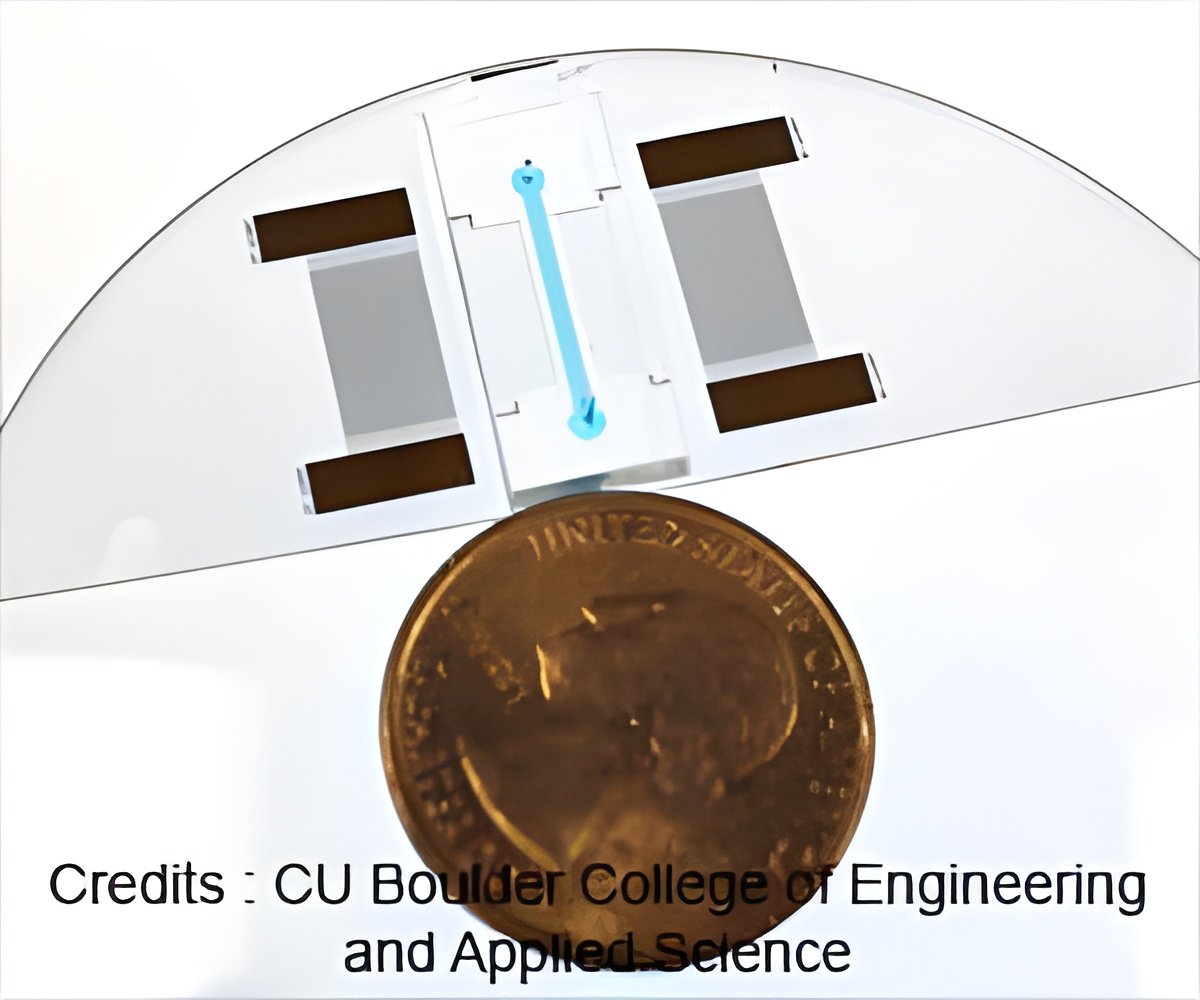
Current methods to detect and monitor sickle cell disease rely mainly on optical microscopy, which is time-consuming, causes delays in capturing important changes, and moreover, does not capture changes in real-time. Morphological changes due to repeated cell sickling events may lead to permanent cell damage. To effectively manage sickle cell disease, time is of the essence. Results of the study, published in the American Chemical Society's journal ACS Sensors, show that this novel technology can characterize the dynamic cell sickling and unsickling processes in sickle blood without the use of microscopic imaging or biochemical markers.
With this method, Sarah E. Du, Ph.D., senior author and an assistant professor in FAU's Department of Ocean and Mechanical Engineering, and co-authors from FAU's College of Engineering and Computer Science and the University of Miami, were able to characterize the rate of cell sickling and the percentage of sickled cells, which are important contributing factors of abnormal blood flow and sickle cell vaso-occlusion. Vaso-occlusion causes acute pain in patients due to altered forms of hemoglobin.

Quiz on Sickle Cell Anemia
Sickle cell anemia is a genetic disorder that affects blood and necessitates frequent blood transfusions in certain cases. Test your knowledge on this condition by taking this quiz.
Sickle cell anemia is a genetic disorder that affects blood and necessitates frequent blood transfusions in certain cases. Test your knowledge on this condition by taking this quiz.
In the study, the researchers also established the correlations between the in vitro measurements and the patients' hematological parameters, such as the levels of sickle hemoglobin (HbS) and fetal hemoglobin (HbF). These findings show a potential clinical relevance because it serves as a proof-of-concept of electrical impedance as a label-free, biophysical marker of cell sickling events as well as a sensitive tool for probing the dynamic cellular and subcellular processes beyond the optical microscopy. The developed electrical impedance sensor may potentially be used for assessing vaso-occlusion risk, disease severity, and therapeutic treatment in sickle cell disease.

Regular Screening of Sickle Cell Disease to Save Lives Of Migrants
Majority of migrants arriving from highly prevalent areas of Sickle cell disease (SCD) found to have the highest burden of SCD globally.
Majority of migrants arriving from highly prevalent areas of Sickle cell disease (SCD) found to have the highest burden of SCD globally.
"Patients with sickle cell disease encounter a number of challenges trying to manage their condition. The inability to monitor their disease in real-time is especially problematic for patients as well as clinicians," said Stella Batalama, Ph.D., dean of FAU's College of Engineering and Computer Science. "Professor Du's cutting-edge research has the potential to provide patients with sickle cell disease worldwide with the same convenience and reliability of monitoring their disease as patients with diabetes who use glucose monitors."
Athletes with Sickle Cell Traits More Likely to Collapse: Here's Why
Athletes (particularly football players) with sickle cell trait are at a higher risk of developing adverse clinical outcomes during periods of extreme physical exertion, reveals a new study.
Athletes (particularly football players) with sickle cell trait are at a higher risk of developing adverse clinical outcomes during periods of extreme physical exertion, reveals a new study.
 Email
Email