MEDINDIA
 English
 हिन्दी
 Español
 français
 中文
中文
Nerves stimulate the new blood vessels that encourage prostate tumor growth. The nerve stimulation can be short-circuited to prevent new vessels from forming.
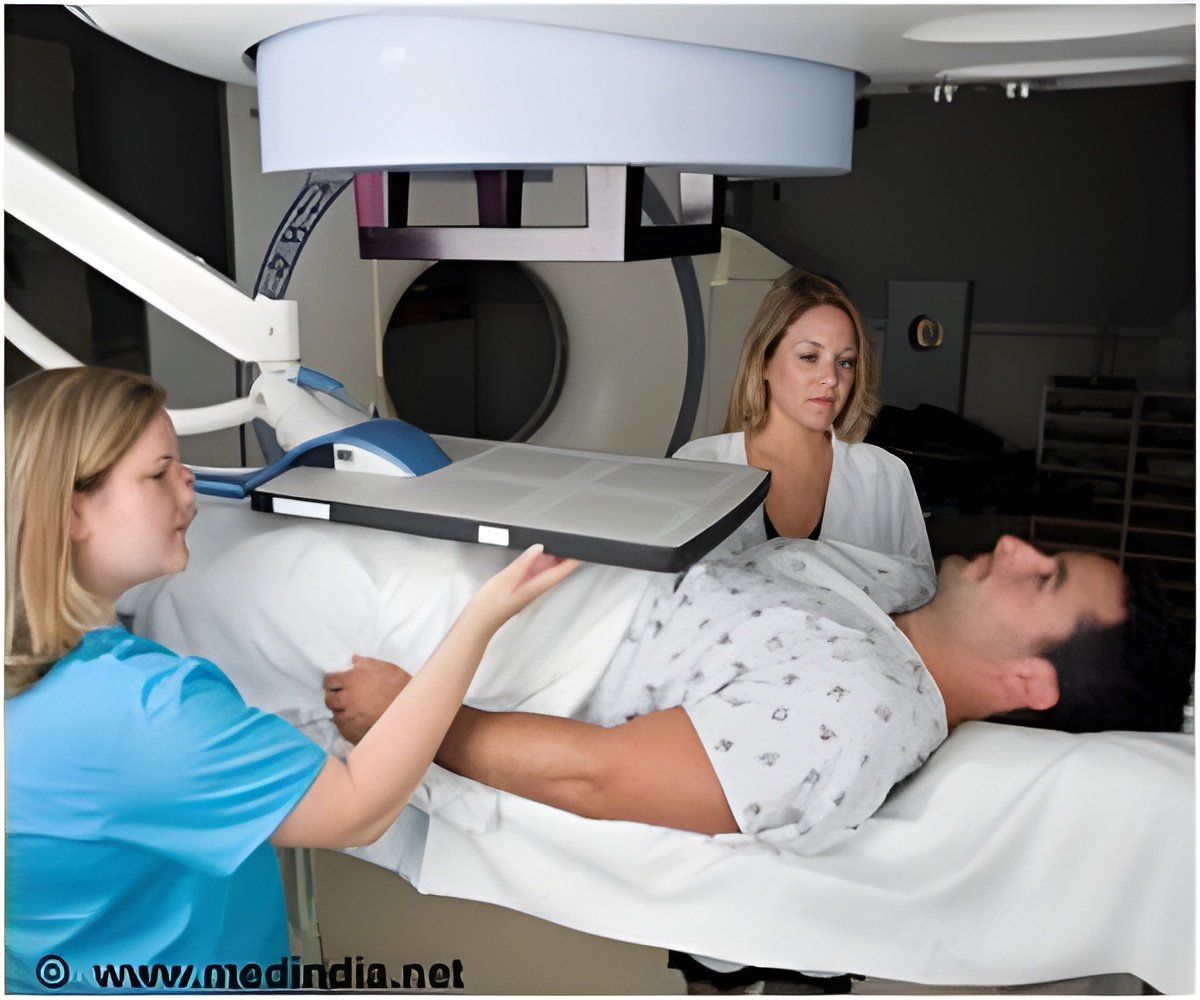
Imaging Techniques for Detection of Prostate Cancer
Reviews the traditional and current prostate-specific imaging techniques for early detection with special emphasis on androgen receptor based imaging.
Reviews the traditional and current prostate-specific imaging techniques for early detection with special emphasis on androgen receptor based imaging.
TOP INSIGHT

Several risk factors for developing prostate cancer have been identified, but which of these risk factors cause a prostate cell to become cancerous is not fully known.
The National Cancer Institute estimates that 161,360 new cases of prostate cancer will be diagnosed in 2017, and 26,730 men will die from the disease, accounting for 4.4 percent of all cancer deaths.
In a 2013 paper, also in Science, Dr. Frenette and colleagues showed that nerves play a critical role in helping prostate tumors develop and spread. More specifically, the researchers found that nerves of the sympathetic nervous system, (responsible for activating the "fight or flight" response,) promote tumor growth by producing norepinephrine, which encourages tumor growth by binding to and stimulating receptors on tumor connective- tissue cells.
Targeted Therapy: New Hope for Treatment of Advanced Prostate Cancer
Study establishes dosage regimen of 225Ac-labelled targeted alpha therapy to treat men with metastatic castration-resistant prostate cancer.
Study establishes dosage regimen of 225Ac-labelled targeted alpha therapy to treat men with metastatic castration-resistant prostate cancer.
To confirm norepinephrine’s role in triggering this metabolic switch, the researchers deleted a gene in their animal model that codes for norepinephrine’s receptor on vessel cells, thereby eliminating norepinephrine’s binding target. They then observed that cells lacking the receptor were using oxidative phosphorylation rather than glycolysis. As a result, the formation of new vessels was inhibited.
New Treatment Offers Hope For Advanced Prostate Cancer
Treatment options are limited for men with advanced-stage, metastatic castration-resistant prostate cancer (mCRPC), but a new treatment protocol offers hope.
Treatment options are limited for men with advanced-stage, metastatic castration-resistant prostate cancer (mCRPC), but a new treatment protocol offers hope.
"While we need to learn more about the role that norepinephrine-releasing nerves play in prostate cancer, it’s certainly worth exploring whether beta-blockers can improve disease outcomes," says Dr. Frenette, noting that beta-blockers work by blocking the effects of norepinephrine and similar compounds. Retrospective epidemiological studies, he says, have found that use of these drugs by men with prostate cancer was associated with reduced metastasis and increased survival.

Prostate Cancer Patients may Benefit Equally from Two New Treatments
Docetaxel improved survival compared to standard of care, and that abiraterone acetate with prednisolone also improved survival compared to standard of care.
Docetaxel improved survival compared to standard of care, and that abiraterone acetate with prednisolone also improved survival compared to standard of care.
 Email
Email