MEDINDIA
 English
 हिन्दी
 Español
 français
 中文
中文
Switching of brain between modes occurs dynamically according to the demands of the task, and replay is important for spatial behaviour.
Bipolar Disorder Patients may Benefit from Brain Training
Brain exercises could be an effective non-pharmaceutical treatment for helping those with bipolar disorder function more effectively in everyday life.
Brain exercises could be an effective non-pharmaceutical treatment for helping those with bipolar disorder function more effectively in everyday life.
TOP INSIGHT

Most of the neurons in the brain’s gray matter are interneurons, which are responsible for integrating and processing information delivered to the brain by sensory neurons.
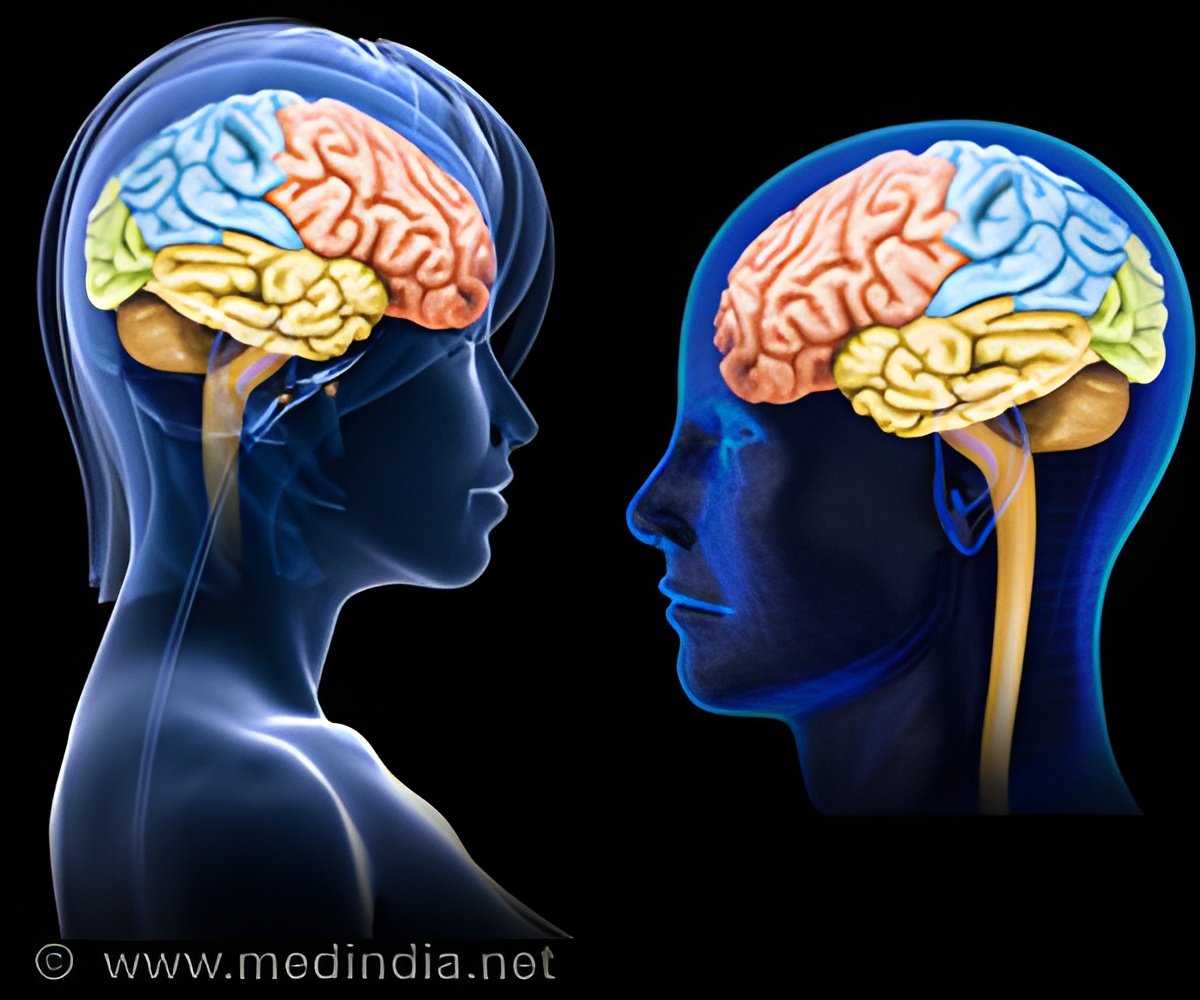
The study, published in Neuron and funded by Wellcome and the Royal Society, provides the first evidence that switching between modes occurs dynamically according to the demands of the task and that replay is important for spatial behaviour.
Eight rats ran on a Z-shaped track at their own pace. At each corner, when they took the correct path, the animals were rewarded with food. While the rats paused at the corner, the team studied the responses of place cells in the hippocampus, where planning happens and memories are formed, and grid cells in the entorhinal cortex, which is believed to be important for consolidation.

Living Near the Woods can Have a Positive Impact on the Brain
Living near the forest area can have a positive impact on stress processing areas of the brain
Living near the forest area can have a positive impact on stress processing areas of the brain
"We saw the rats replaying the path they had just taken or the one that they were about to take. The brain was more engaged and task focused and the animals completed the task more successfully as a result," said co-author, Dr Caswell Barry (UCL Cell & Developmental Biology).
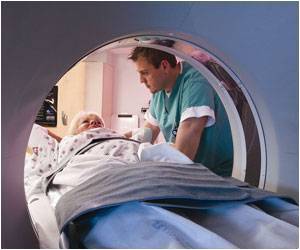
MRI Predicts Potential Recovery from Cardiac Arrest Related Brain Damage
Advanced MRI technique that measures the brain's connections allow predict recovery potential in patients with cardiac arrest related brain damage.
Advanced MRI technique that measures the brain's connections allow predict recovery potential in patients with cardiac arrest related brain damage.
The team used machine learning methods to track the different types of replay and the outcome of the task. They found it was possible to predict how successful the rats would be in completing the task based on replay - rats whose replay focused on the task were better at navigating the track.

Brain Cells can be Turned into Skin Sells
Mature cells from the brain, heart can be transformed more into skin cells and new tissue and organs can also be produced from these cells.
Mature cells from the brain, heart can be transformed more into skin cells and new tissue and organs can also be produced from these cells.
"Replay only occurs in very short bursts of time - about 100ms - but we think it has important implications in learning, planning and decision making. Our next step is to find out if we can disrupt or control this process and if so, how it affects behaviour," concluded Dr Ólafsdóttir.
Source-Eurekalert
 Email
Email