MEDINDIA
 English
 हिन्दी
 Español
 français
 中文
中文
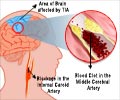
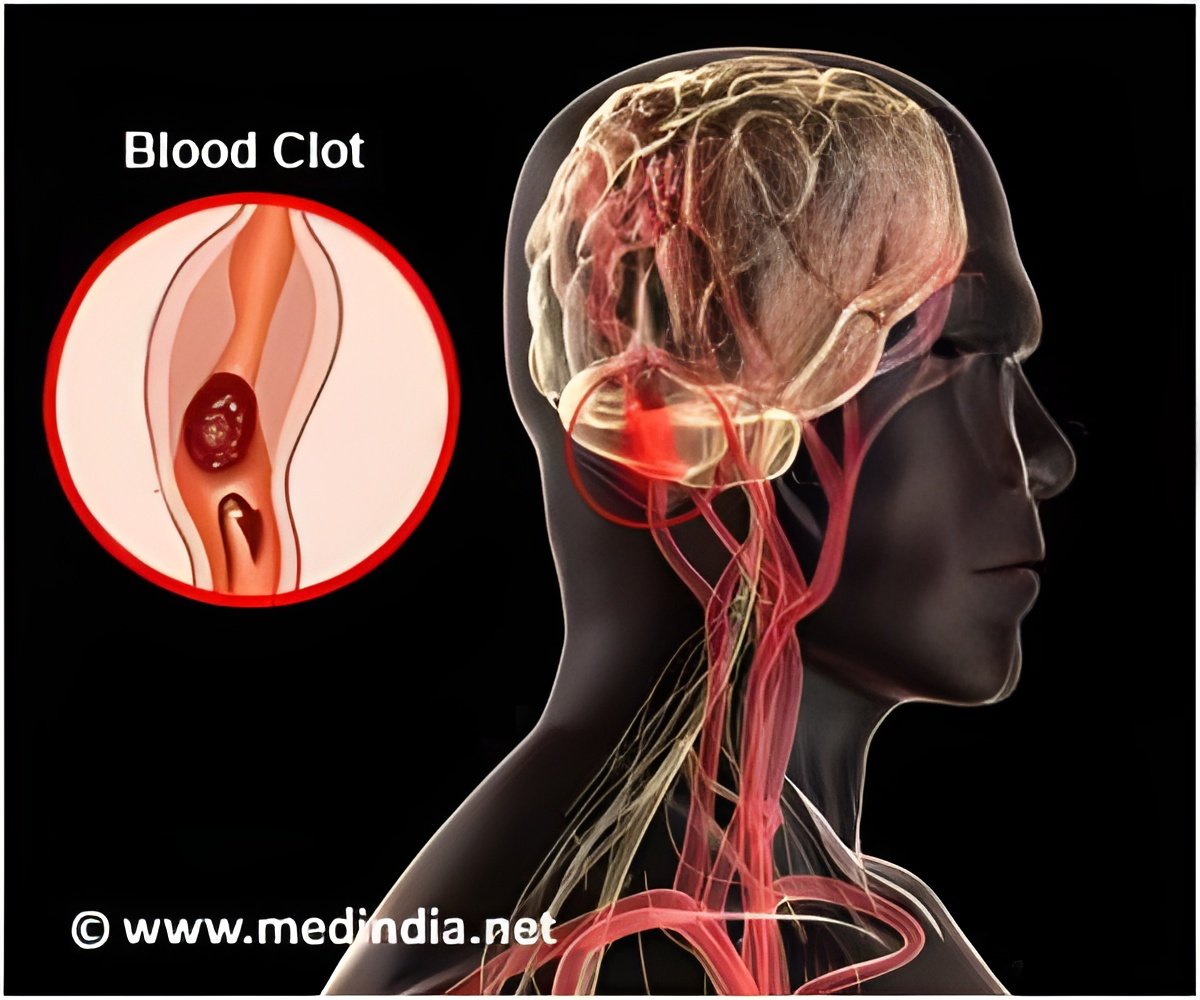
Transient ischemic attack, TIA or mini stroke, which doctors consider too mild to treat, can cause serious disability if not treated quickly.
Stroke – Early Warning Signs - Risk Factor - Rehab - Treatment
Stroke can cause permanent disability and it is important to recognize its early warning signs to stop its progress. Early warning signs of stroke include sudden weakness of facial muscles.
Stroke can cause permanent disability and it is important to recognize its early warning signs to stop its progress. Early warning signs of stroke include sudden weakness of facial muscles.
"We should be imaging patients earlier and be more aggressive in treating patients with thrombolysis if we can see a blockage no matter how minor the symptoms are," Coutts stated.
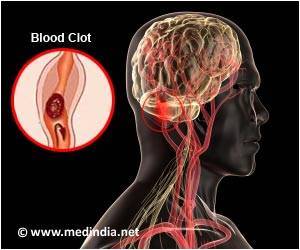
Thrombolysis is a treatment used to dissolve dangerous clots and restore healthy blood flow to the brain. TIA and minor stroke patients don't typically receive this treatment because the condition is frequently not deemed serious enough to warrant it, researchers said.
How to Deal with a Stroke - Signs - Symptoms - Risk Factors - Prevention
Stroke is a brain attack, which occurs when the blood supply to the brain is interrupted. It affects all age groups; according to the WHO, 15 million people are affected by stroke annually.
Stroke is a brain attack, which occurs when the blood supply to the brain is interrupted. It affects all age groups; according to the WHO, 15 million people are affected by stroke annually.
Computed tomography (CT) scans showed some "mini stroke" patients had narrowed blood vessels in the brain, and others reported ongoing or worsening symptoms. Those patients were more than twice as likely to have disability at 90 days. Coutts suggested that thrombolysis treatment should be considered in these patients.
Top 10 Facts on Stroke
Strokes occur when the blood flow to an area of the brain is cut off. It is imperative to detect the signs of a stroke and rush the patient to the hospital at once. Here are some interesting facts on stroke.
Strokes occur when the blood flow to an area of the brain is cut off. It is imperative to detect the signs of a stroke and rush the patient to the hospital at once. Here are some interesting facts on stroke.
"For every second after a mini stroke, the patient's brain may be losing oxygen - possibly leading to a major event. If a scan finds that you have a narrowing of a blood vessel in or outside of the brain, you are at a high risk of being disabled," Coutts said.
Aspirin Administration in Acute Ischemic Stroke Patients Treated With Alteplase
A three month treatment with 300 mg IV aspirin does not improve the functional outcome of alteplase-treated acute ischemic stroke patients. However, the risk of developing SICH and SAEs is enhanced.
A three month treatment with 300 mg IV aspirin does not improve the functional outcome of alteplase-treated acute ischemic stroke patients. However, the risk of developing SICH and SAEs is enhanced.
The results appeared in the American Heart Association journal Stroke.
Source-ANI
 Email
Email