MEDINDIA
 English
 हिन्दी
 Español
 français
 中文
中文
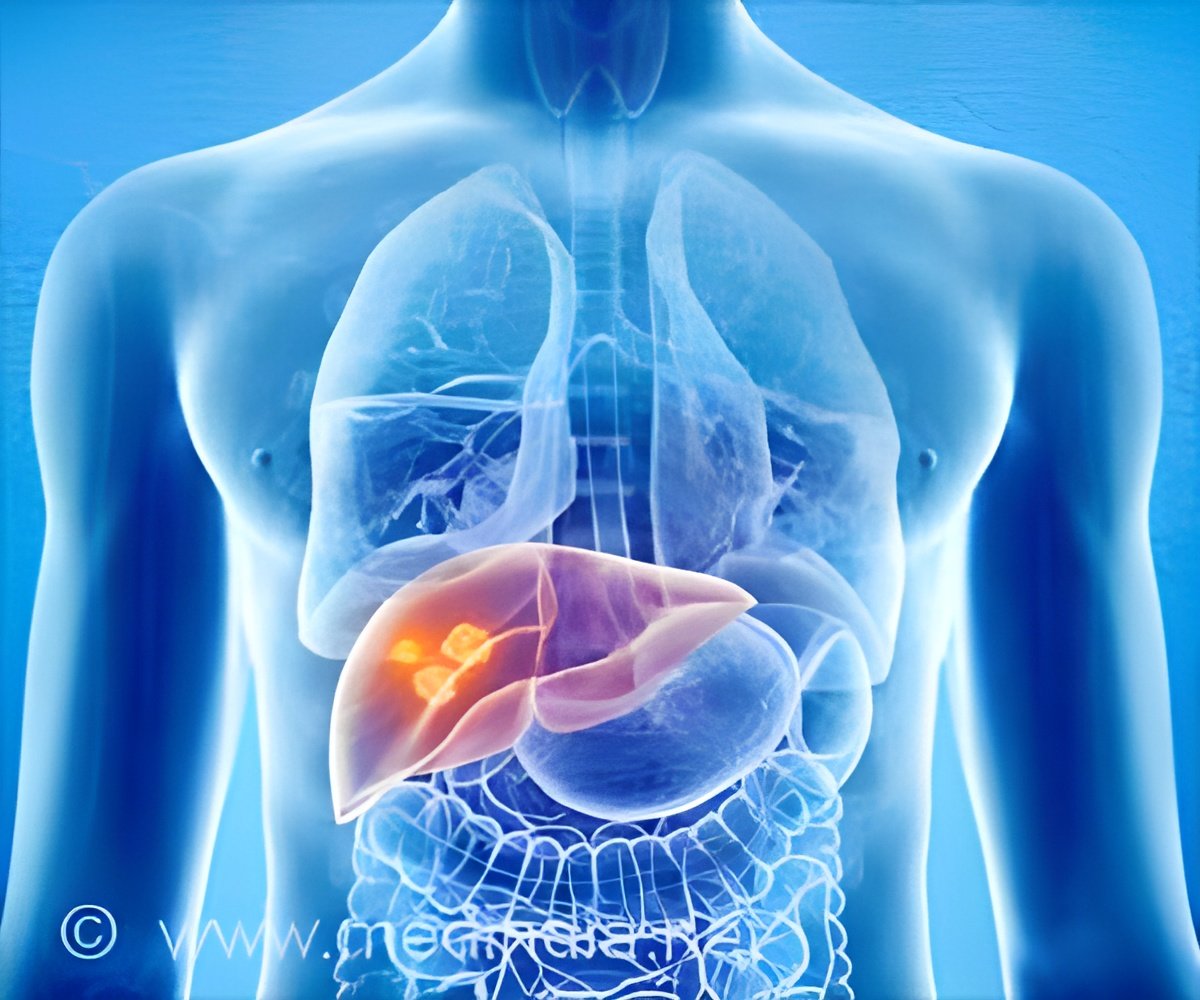
A microRNA in obese mouse mothers that may increase the odds of liver cancer in their offspring throughout multiple generations has been discovered by scientists.
Current Treatments for Liver Cancer | Hepatoma | Hepatocellular Carcinoma
Current Treatments for Liver Cancer (also known as hepatoma or hepatocellular carcinoma) can result in complete cure of the disease if it is detected early.
Current Treatments for Liver Cancer (also known as hepatoma or hepatocellular carcinoma) can result in complete cure of the disease if it is detected early.
TOP INSIGHT

Maternal obesity was found to increase the chance of liver cancer in offspring for generations.
Investigators administered diethylnitrosamine (DEN) to induce liver cancer in obese mice that had been fed a high-fat diet. RNA sequencing was performed to identify the genes and microRNAs that altered over generations. They found that injecting pregnant mice with the microRNA miR-27a-3p not only increased hepatic miR-27a-3p and reduced the expression of two genes, Acsl1 and Aldh2 in offspring (fetus, young, and adult stages), but also exacerbated HCC development in DEN-treated offspring.
High-fat diet-induced maternal obesity caused susceptibility of offspring to DEN-induced HCC, and the investigators established that this susceptibility was cumulative over generations. Furthermore, the odds for developing liver cancer increased intergenerationally. For example, the severity in the offspring of an obese mother and grandmother was higher than the offspring of an obese mother but normal-weight grandmother.
Obesity during Pregnancy: Know the Risks
Women with a body mass index >30 are obese and are at a higher risk for gestational diabetes during pregnancy. Macrosomia and birth defects are risks seen in the babies.
Women with a body mass index >30 are obese and are at a higher risk for gestational diabetes during pregnancy. Macrosomia and birth defects are risks seen in the babies.
"For pregnant mothers, the serum level of miR-27a-3p is critical for the offspring's health and may be used in future as a diagnostic or predictive biomarker," commented Professor Zheng. "We would therefore like to call for a global effort on maternal multigenerational obesity in humans to better address this common problem we are facing."

Quiz on Obesity
There are thousands out there battling ‘the bulge’. With childhood obesity on the rise even children are not spared. If your weight issues are threatening to weigh you down learn more about obesity by taking part in this quiz.
“We are indeed much more than what we eat, but what we eat can nevertheless help us to be much more than what we are”. - Adelle Davis
There are thousands out there battling ‘the bulge’. With childhood obesity on the rise even children are not spared. If your weight issues are threatening to weigh you down learn more about obesity by taking part in this quiz.
Source-Eurekalert

Lifetime Risk Calculator for Cancers
What are your chances for developing some common cancers in your lifetime - find out now.
What are your chances for developing some common cancers in your lifetime - find out now.
 Email
Email