MEDINDIA
 English
 हिन्दी
 Español
 français
 中文
中文
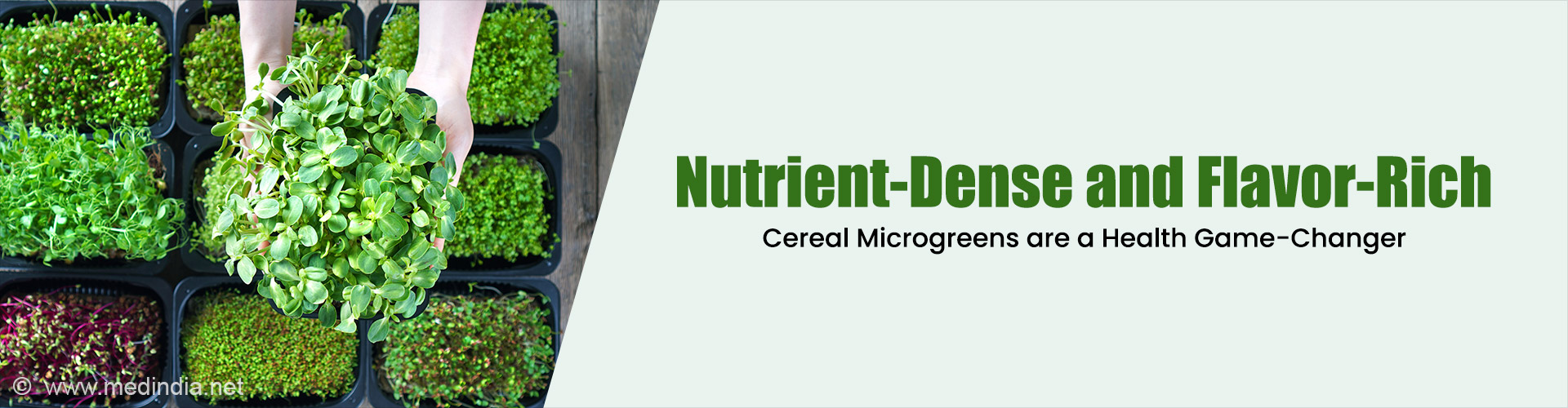
Cereal and pseudocereal microgreens are nutrient-dense, sustainable functional foods that have the potential to address global nutritional challenges and support chronic disease prevention.
Highlights:
Microgreens derived from cereals and pseudocereals such as amaranth, quinoa, sorghum, and wheat are versatile, sustainable, and nutrient-rich. They have the potential to alleviate global nutritional deficiencies if further validated through clinical studies and technological innovations (1✔ ✔Trusted Source- Microgreens of cereals and pseudocereals offer higher nutrient content than mature grains
- Environmental factors such as light, temperature, and growth medium affect nutritional quality
- Clinical validation is needed before microgreens can be fully adopted for combating nutritional deficiencies
Cereal and pseudocereal microgreens: Emerging functional foods for human health and sustainability
Go to source). These young plants, grown at the cotyledon stage, show exceptional promise due to their dense nutritional profiles, provided they can be made safer, more affordable, and longer-lasting.
As highlighted in a review published in the Journal of Cereal Science, conventional cereal grains like millet, maize, wheat, and rice form the dietary foundation globally, supplying much of daily energy and protein needs.
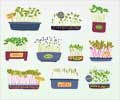
Health Benefits of Microgreens
Microgreens are young, tender, nutrient-dense greens. The health benefits of microgreens are numerous, namely antioxidant and antimicrobial activities, reducing inflammation markers, boosting immunity, and many more.
Microgreens are young, tender, nutrient-dense greens. The health benefits of microgreens are numerous, namely antioxidant and antimicrobial activities, reducing inflammation markers, boosting immunity, and many more.
TOP INSIGHT

Did You Know?
Wheat microgreens contain over 260 percent more protein and ten times more minerals than mature wheat grains. #microgreens #superfoods #medindia
Conventional Strategies vs. Microgreening
To overcome these limitations, various interventions have been explored, ranging from traditional techniques like soaking, sprouting, and fermentation to modern methods including enzymatic treatment, biofortification, extrusion, and genetic modification.While each of these approaches brings its own benefits such as improved digestibility or enhanced micronutrient levels, they also encounter issues like high cost, potential nutrient losses, and variable consumer acceptance.
Microgreening, the practice of cultivating grains to their early cotyledon stage, emerges as a promising alternative. These microgreens are packed with essential vitamins, minerals, phytochemicals, and antioxidants, often offering superior nutrition compared to their mature counterparts.

Top 6 Benefits of Consuming Multigrain Cereals
Multigrain cereals are a rich source of protein and a variety of important nutrients, like vitamins, minerals, fiber and other healthy plant compounds. Multigrains help keep you energetic and happier, encouraging an active lifestyle.
Multigrain cereals are a rich source of protein and a variety of important nutrients, like vitamins, minerals, fiber and other healthy plant compounds. Multigrains help keep you energetic and happier, encouraging an active lifestyle.
Why Microgreens Are in Demand
First gaining popularity in high-end kitchens in San Francisco during the 1980s, microgreens are now cultivated globally through methods like vertical farming, greenhouse cultivation, and indoor hydroponics. Their vibrant appearance, concentrated flavor, and exceptional nutritional value contribute to their growing demand. The global microgreens market is projected to surpass 17 billion United States dollars by 2025, reflecting their rising economic and nutritional importance.Unlike sprouts or baby greens, microgreens are cultivated differently, harvested earlier, and present a better safety profile. Typically collected between 10 and 21 days after sowing, they exhibit higher concentrations of vital nutrients and lower microbial contamination risk. Their status as "superfoods" is increasingly recognized due to their elevated vitamin, mineral, and antioxidant levels.
Millets May Become The 'Smart Food of 21st Century'
Karnataka is hitching millets to the organic food movement because it can grow without chemical fertilisers. They are the smart foods of the 21st century .
Karnataka is hitching millets to the organic food movement because it can grow without chemical fertilisers. They are the smart foods of the 21st century .
Nutrient-Rich Composition and Species Variability
When grown from cereals and pseudocereals like wheat, oats, quinoa, and amaranth, microgreens show increased levels of bioavailable micronutrients and phytochemicals, supporting better diet diversity, food security, and overall health. These microgreens provide significantly higher amounts of phosphorus, magnesium, potassium, zinc, calcium, and iron often several times the content found in mature grains.They are also abundant in essential vitamins such as vitamin C,

Millet Fest Exhibits Healthy Alternatives to the Public
Millet Fest-2015, is an effort to popularise usage of millets among the general public and the availability of wide range of millets.
Millet Fest-2015, is an effort to popularise usage of millets among the general public and the availability of wide range of millets.
Phytochemical Diversity and Functional Properties
Cereal and pseudocereal microgreens are abundant in bioactive compounds, including phenolics, flavonoids, anthocyanins, carotenoids, and chlorophylls, known for their antioxidant, anti-inflammatory, and anticancer benefits. These compounds also enhance the microgreens' taste, appearance, and functionality.Different crops bring unique nutritional advantages: wheat is rich in phenolic acids and flavonoids, barley and oats contain high anthocyanin levels, quinoa and amaranth are sources of carotenoids and tocopherols, and chia provides a complete amino acid profile. These diverse compounds position microgreens as functional foods with potential applications in disease prevention and as natural alternatives to synthetic supplements.
Influence of Environmental Conditions
Environmental factors play a crucial role in determining the nutritional content and yield of cereal and pseudocereal microgreens. Light quality and duration influence sugar metabolism, protein levels, and antioxidant capacity. While longer light exposure boosts chlorophyll and antioxidants, it may reduce soluble proteins. The growth medium also impacts nutrient density. Soil-grown microgreens tend to have higher mineral and phenolic content, whereas nutrient-enriched coco peat enhances yield, amino acid concentration, and chlorophyll. Temperature affects germination and metabolite synthesis, with optimal growth typically occurring between 20 and 28 degrees Celsius. Cold storage helps preserve nutritional integrity and shelf life, while seasonal changes influence phenolic and pigment levels, affecting quality.Nutraceutical Potential of Cereal and Pseudocereal Microgreens
Cereal and pseudocereal microgreens are functional foods that contribute to better nutrition, help prevent chronic diseases, and may even serve as nutraceuticals. Their pleasant texture and flavor, combined with compatibility for hydroponics and vertical farming, make them sustainable and consumer-friendly. Their applications now extend beyond fresh consumption; they are incorporated into juices, snacks, noodles, and baked goods, enhancing both health benefits and commercial potential.Despite their promise, several challenges hinder large-scale adoption. These include short shelf life, perishability, risk of microbial contamination, high production costs, and variations in nutritional profiles depending on species and cultivation conditions. These factors complicate their wider use in mainstream food systems.
Need for Further Validation and Policy Support
While initial findings are promising, more rigorous clinical and animal trials are essential to confirm the health benefits of cereal and pseudocereal microgreens. Lack of consumer education and regulatory clarity further limits their reach and acceptance. Addressing these gaps through policy support, innovation, and education is vital for realizing their full potential in public health and nutrition.To sum up, cereal and pseudocereal microgreens offer a powerful nutritional alternative to mature grains, with significantly higher concentrations of vitamins, minerals, antioxidants, and bioactive compounds. Their compatibility with sustainable farming practices and potential to combat global nutrient deficiencies make them valuable additions to future food systems. However, challenges such as perishability, microbial risks, and lack of clinical validation must be addressed before they can be fully integrated into global diets.
Reference:
- Cereal and pseudocereal microgreens: Emerging functional foods for human health and sustainability - (https://www.sciencedirect.com/science/article/pii/S0733521025001584)
Source-Medindia
 Email
Email