MEDINDIA
 English
 हिन्दी
 Español
 français
 中文
中文
Losing weight from either low-carb or low-fat diet can have a significant reduction in inflammation throughout their body, say researchers.
Low Carbohydrate Diet - Principle - Food Manual - Weight Loss - Advantages - Disadvantages - FAQs
A low carbohydrate diet helps achieve weight loss. It is a diet plan that restricts the carbohydrate intake.
A low carbohydrate diet helps achieve weight loss. It is a diet plan that restricts the carbohydrate intake.
"Our findings indicate that you can reduce systemic inflammation, and possibly lower your risk of heart disease, no matter which diet-either low-carb or low-fat," says Kerry Stewart, Ed.D., professor of medicine at the Johns Hopkins University School of Medicine and director of clinical and research exercise physiology. "The important factor is how much weight you lose-especially belly fat."
Stewart adds that there''s still some bias in the medical community against a low-carb diet, which, by definition has a higher percentage of fat and protein than a low-fat diet. In their study, 60 people, ages 30 to 65, who were either overweight or obese with excessive fat around their waist, were randomly assigned to go on a low-fat or a low-carb diet for six months. Each group also participated in exercise training three times a week.
Quiz on Weight Loss
If you thought fried foods, processed foods and potato are the bad guys in your weight loss plan, you thought right! Take this quiz and find out what actually can help you get the figure you always wanted.
If you thought fried foods, processed foods and potato are the bad guys in your weight loss plan, you thought right! Take this quiz and find out what actually can help you get the figure you always wanted.
The participants on the low-carb diet lost more weight, on average, than those on the low-fat diet-28 pounds versus 18 pounds. The low-carb diet group also had a greater drop in BMI (4.7 versus 2.9), and a greater drop in belly fat (14.3 versus 8.4 pounds). The level of aerobic fitness increased in both groups by about 20 percent.
Biochemistry of Inflammation Detected By Nanoparticles
From infection to neurodegeneration, inflammation is the hallmark of many human diseases.
From infection to neurodegeneration, inflammation is the hallmark of many human diseases.
The study was funded by the National Heart Lung and Blood Institute (NHLBI), part of the National Institutes of Health, under contract number R01HL092280.
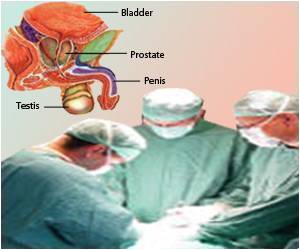
Growth of Human Prostate Cancer Cells Slowed by Low Fat Diet and Fish Oil Supplements
New research indicates that a low-fat diet with fish oil supplements eaten for four to six weeks prior to prostate removal slowed down the growth of prostate cancer cells
New research indicates that a low-fat diet with fish oil supplements eaten for four to six weeks prior to prostate removal slowed down the growth of prostate cancer cells
 Email
Email