MEDINDIA
 English
 हिन्दी
 Español
 français
 中文
中文
A Georgetown University study uncovers why stroke survivors struggle to link words with their meanings when reading.
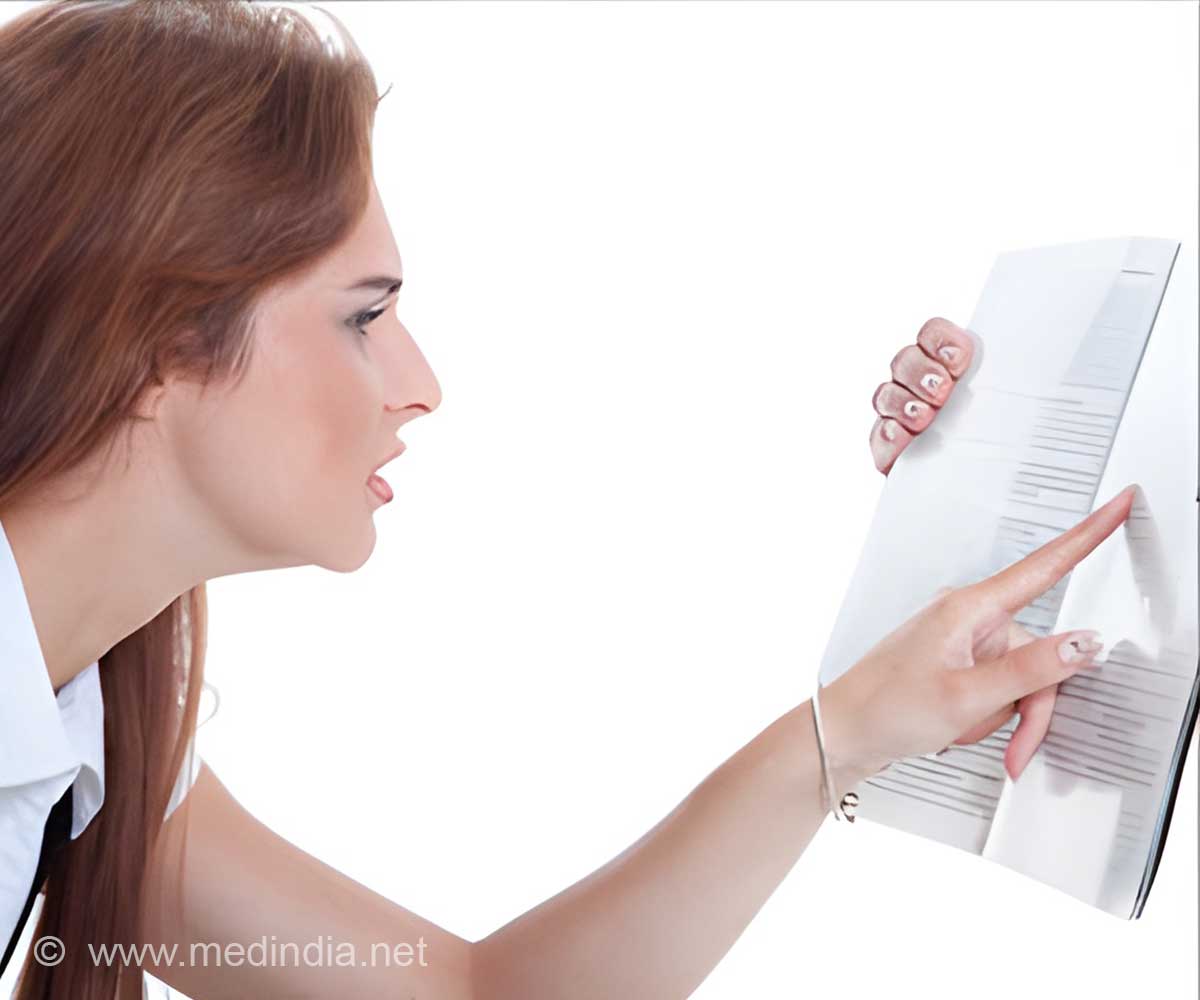
Study identifies why stroke impairs ability to use word meanings in reading
Go to source).
Stroke Risk Calculator
Stroke Risk Calculator checks if you have hypertension, diabetes and heart failure and predicts the risk of stroke (cerebrovascular accident) in next 10 years.
Stroke Risk Calculator checks if you have hypertension, diabetes and heart failure and predicts the risk of stroke (cerebrovascular accident) in next 10 years.
TOP INSIGHT

Did you know?
Stroke can break the brain’s ability to connect words to ideas, making even simple reading a challenge. #stroke #strokerecovery #medindia
When Stroke Steals the Meaning from Words
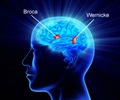
A recent study conducted by Georgetown University researchers found that stroke can impair a person's capacity to use word meanings to aid in word recognition when reading.The study looked at scanned images of brains damaged by stroke while they were made to read aloud. By doing so, they were able to find out the part of the brain that was responsible for deciphering the meaning of words, which facilitated their reading. That is how they found out that the stroke survivors struggled to use word meanings within sentence context; they couldn’t connect the words they were trying to pronounce back to the ideas behind the words.

Reading Difficulties in Stroke Patients Linked With 'Eye Movement' Problems
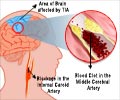
Damage to the nerve supply that controls eye movement is a common problem after a stroke, found a new study led by scientists at Liverpool.
Damage to the nerve supply that controls eye movement is a common problem after a stroke, found a new study led by scientists at Liverpool.
Language Processing Center: The Brain Target Spot
The study included two groups of patients- 56 participants who were stroke survivors (left hemisphere)
- 68 participants with no history of stroke
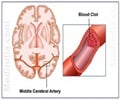
Stroke – Early Warning Signs - Risk Factor - Rehab - Treatment
Stroke can cause permanent disability and it is important to recognize its early warning signs to stop its progress. Early warning signs of stroke include sudden weakness of facial muscles.
Stroke can cause permanent disability and it is important to recognize its early warning signs to stop its progress. Early warning signs of stroke include sudden weakness of facial muscles.
Do Highly Imageable Words Make a Difference?
The relationship between imageability and success while reading aloud words, using imageability as an indicator of a word's depth of meaning.- Words with a high imageability, like "hammer" or "cow," are easy to visualize.
- Words with low imageability, like “justice,” are harder to visualize. Even imagining Lady Justice holding balance scales only symbolizes the concept, rather than providing a direct visual, something that can confuse the brain.
This indicated a failure to use meaning to support reading. Researchers also identified an overlapping brain area linked to deficits in phonology—the ability to connect a word’s meaning to its sounds. Together, these findings suggest that poor integration of meaning and phonology contributes to specific reading difficulties in stroke survivors with left hemisphere injuries.
To better understand the effects of strokes, a recent 5-year funding from the NIH will compare reading in normal aging to those who have experienced a left-hemisphere stroke.
Reference:
- Study identifies why stroke impairs ability to use word meanings in reading - (https://www.news-medical.net/news/20250813/Study-identifies-why-stroke-impairs-ability-to-use-word-meanings-in-reading.aspx)
Source-Eurekalert
Factors That Plot the Mortality Patterns of Neuroendocrine Tumors (NETs)
New study reveals different mortality patterns of neuroendocrine tumors (NETs) that would help inform future guidelines regarding monitoring and treatment of different NETs.
New study reveals different mortality patterns of neuroendocrine tumors (NETs) that would help inform future guidelines regarding monitoring and treatment of different NETs.
 Email
Email