MEDINDIA
 English
 हिन्दी
 Español
 français
 中文
中文
Lubiprostone offers a novel way to treat renal dysfunction by lessening harmful uremic toxins that accumulate in chronic kidney conditions.

Lubiprostone in Chronic Kidney Disease: Insights into Mitochondrial Function and Polyamines from a Randomized Phase 2 Clinical Trial
Go to source). Clinical trials suggest that different doses of lubiprostone (8µg to 16 µg) may influence the kidney’s blood filtration rate, known as estimated glomerular filtration rate: eGFR. Lower eGFR values indicate increased severity in kidney diseases, this crucial investigation can help treat serious CKD, which is a major health concern worldwide. The results of this study were published in the scientific journal Science Advances.

Lubiprostone
This medication is a chloride channel activator, prescribed for chronic constipation and irritable bowel ...
This medication is a chloride channel activator, prescribed for chronic constipation and irritable bowel ...
TOP INSIGHT

Did You Know?
#Lubiprostone doses of 8µg to 16 µg can suppress the decline in #kidney_function, paving the way for new #drug_developments in #chronic_kidney_disease.
#Lubiprostone_Trial #RenalHealth #CKD #DrugDevelopment
Treating Constipation May Support Kidney Performance
Patients with CKD often need dialysis regularly to avoid kidney failure and to increase the survive. Despite the seriousness, at present no specific drug or therapy is available for treating CKD. This lubiprostone strategy could provide an effective approach to prevent kidney failure in CKD patients.“We noticed that constipation is a symptom that often accompanies CKD, and decided to investigate this link further,” explains Abe. “Essentially, constipation disrupts the intestinal microbiota, which worsens kidney function. Working backwards, we hypothesized that we could improve kidney function by treating constipation.”
Lubiprostone Can Promote Gut Microbiome Health
To address this issue, the group conducted a multicentre Phase II clinical trial (LUBI-CKD TRIAL) at nine Japanese medical institutions, enrolling 150 patients with moderate CKD.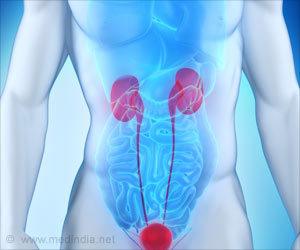
Chronic Kidney Disease (CKD) Cases to Hit 22.97M by 2033
Diagnosed prevalent cases of chronic kidney disease are projected to reach 22.97 million across the 7MM by 2033. This increase highlights the impact of CKD on global health.
Diagnosed prevalent cases of chronic kidney disease are projected to reach 22.97 million across the 7MM by 2033. This increase highlights the impact of CKD on global health.
Going forward, the research team has plans to validate the trial results in a larger population (Phase 3 clinical trial) and advance the exploration of biomarkers that predict treatment efficacy. Their goal is to provide each patient with CKD the optimal treatment plan tailored to their needs. This discovery has the potential to significantly transform the conventional approach to CKD treatment, which primarily focuses on reducing uremic toxins.

Quiz on Kidney
The kidneys are two bean-shaped organs, each about the size of a fist, and are located just below the rib cage, one on each side of your spine. Healthy kidneys filter about half a cup of blood every minute, removing wastes and extra water ...
The kidneys are two bean-shaped organs, each about the size of a fist, and are located just below the rib cage, one on each side of your spine. Healthy kidneys filter about half a cup of blood every minute, removing wastes and extra water ...
Reference:
- Lubiprostone in Chronic Kidney Disease: Insights into Mitochondrial Function and Polyamines from a Randomized Phase 2 Clinical Trial - (https://www.science.org/doi/10.1126/sciadv.adw3934)

GFR Calculator
With this easy to use GFR Calculator, calculate your Glomerular Filtration Rate, using creatinine to assess kidney function and support early diagnosis of kidney issues.
With this easy to use GFR Calculator, calculate your Glomerular Filtration Rate, using creatinine to assess kidney function and support early diagnosis of kidney issues.
 Email
Email