MEDINDIA
 English
 हिन्दी
 Español
 français
 中文
中文
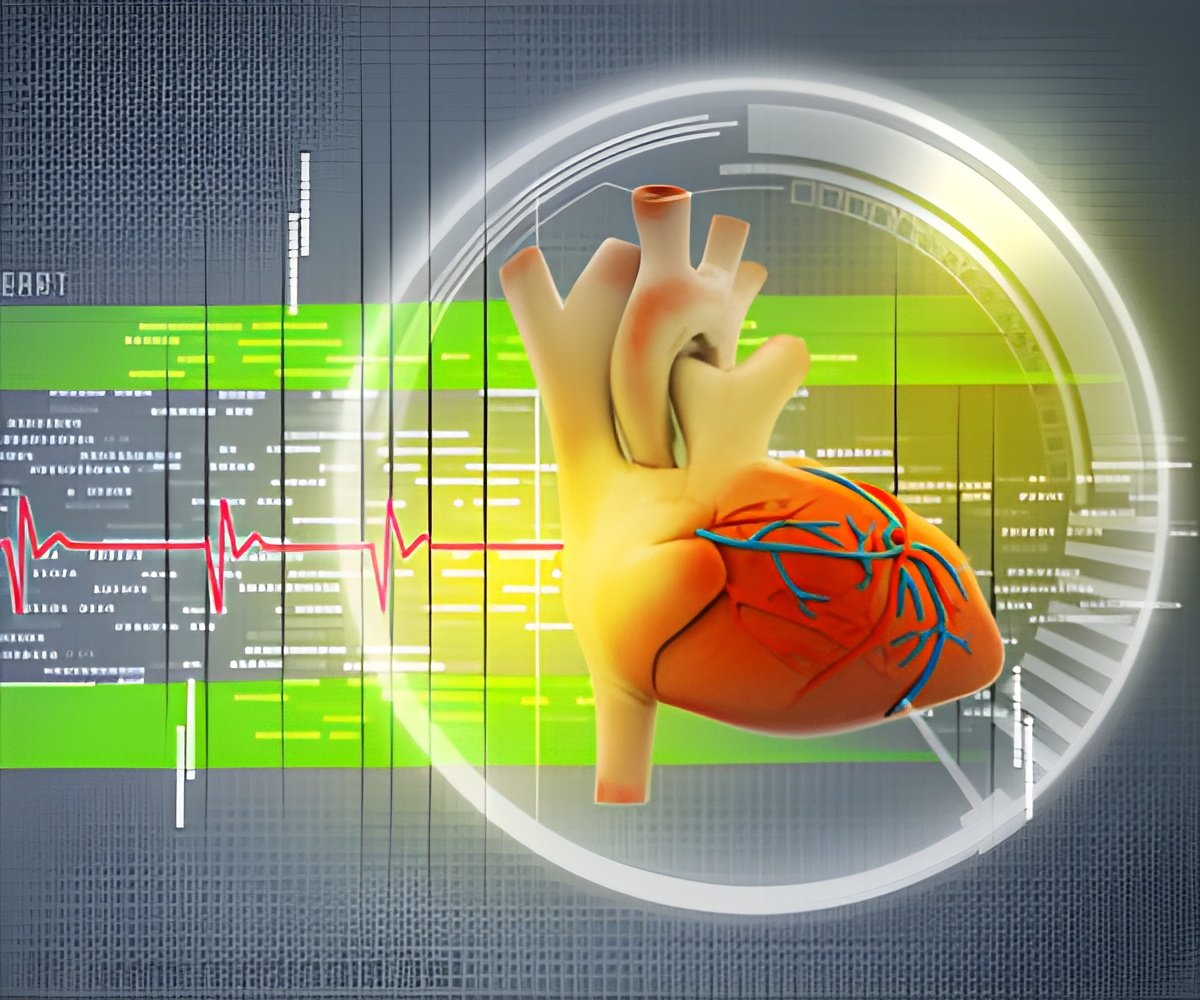
A genetic link between Long QT Syndrome (LQTS), a rare cardiac rhythm disease, and an increased risk for seizures has been discovered by researchers.

Immediate Intervention in Prolonged Seizures Prevents Permanent Damage
Seizures are convulsive with jerking rhythmic movements of the arms and/or legs, or they may be non-convulsive but require immediate medical attention.
Seizures are convulsive with jerking rhythmic movements of the arms and/or legs, or they may be non-convulsive but require immediate medical attention.
TOP INSIGHT

Patients with the Long QT Syndrome (LQTS) who experience seizures are at greater risk of sudden cardiac death.
Auerbach's study set a new clinical precedence for the link between seizures and LQTS and provides a case for doctors to pay more attention to what is happening in LQTS patients' brains or, more broadly, to "look outside the classic organ of interest" in any disease. As a postdoctoral fellow, Auerbach studied the heart-brain connection in a severe genetic form of epilepsy, and found that cardiac arrhythmias were one cause of sudden unexplained death in people with epilepsy.
Now, he investigates the converse - whether a genetic heart disorder is also associated with issues in the brain. With funding from the University of Rochester Clinical and Translational Science Institute, Auerbach tapped into the Rochester-based LQTS Patient Registry to answer this question. This unique resource was developed 40 years ago by the senior author of the study, Arthur Moss, the Bradford C. Berk, Distinguished Professor of Medicine at URMC.

Solving Sudoku Puzzles Gave This German Man Clonic Seizures
A right-handed German man developed clonic seizures (rapid contractions of muscles) of the left arm when he was trying to solve Sudoku puzzles.
A right-handed German man developed clonic seizures (rapid contractions of muscles) of the left arm when he was trying to solve Sudoku puzzles.
To ensure that the seizures reported in the registry were not merely misdiagnosed cardiac arrhythmias, Auerbach investigated the effect of beta blockers, drugs often prescribed to LQTS patients to prevent cardiac arrhythmias. While the drugs effectively reduced patients' arrhythmias, they had no effect on seizures, minimizing the chance that the seizures were simply misdiagnosed cardiac side effects. Looking at the patients' genetic information, Auerbach and his colleagues found that patients with the three different types of LQTS (LQTS1-3) showed similar heart rhythm symptoms, but vastly different prevalence of seizures. LQTS1 and LQTS2 patients had much higher prevalence of seizures than LQTS3 or no mutation - with LQTS2 at the greatest risk.
New Amino Acid Offers Promise for Those Suffering from Unremitting Seizures
The amino acid, D-leucine, acts as a potent seizure inhibitor and works as effectively as diazepam, but without any of the drug's sedative side effects.
The amino acid, D-leucine, acts as a potent seizure inhibitor and works as effectively as diazepam, but without any of the drug's sedative side effects.
Source-Eurekalert

Study Identifies New Therapy Target for Kids' Fever-induced Seizures
A study has identified a new key factor in the generation of febrile seizures, leading to a new therapeutic target for fever-induced childhood seizures that can be terrifying for parents to witness.
A study has identified a new key factor in the generation of febrile seizures, leading to a new therapeutic target for fever-induced childhood seizures that can be terrifying for parents to witness.
 Email
Email