MEDINDIA
 English
 हिन्दी
 Español
 français
 中文
中文
Micra Transcatheter Pacing System is small enough to be delivered through a catheter and implanted directly into the heart to treat irregular heart beat.
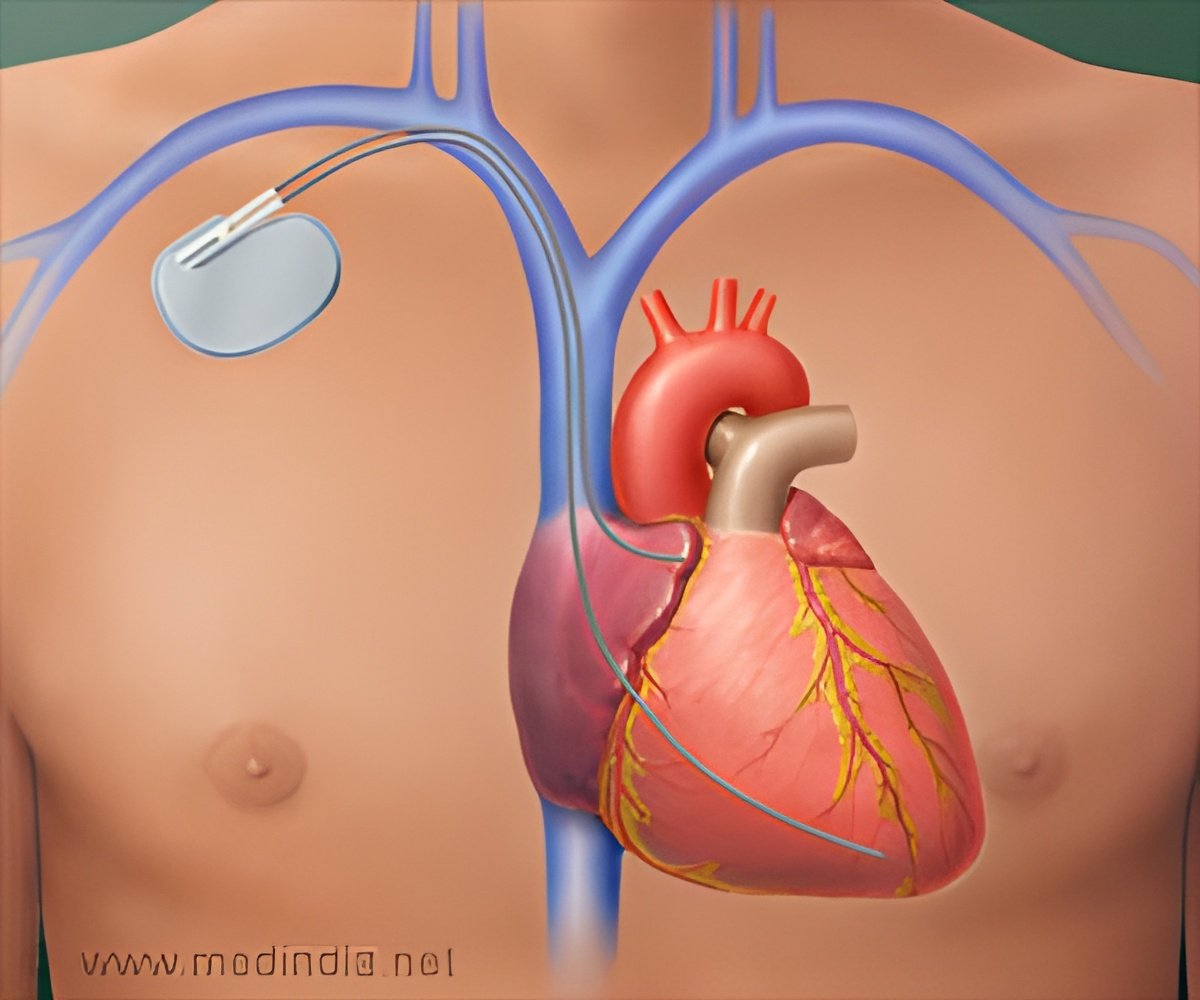
- The Micra Transcatheter Pacing System (TPS), recently approved by the US Food and Drug Administration (FDA), is a newly designed pacemaker. //
- The pacemaker is one tenth the size of the traditional device and provides patients with the most advanced pacing technology.
- TPS is small enough to be delivered through a catheter and implanted directly into the heart, providing a safe alternative to conventional pacemakers.
Cardiac Pacemaker for Abnormal Heart Rhythms – Types, Advantages & Risks
A pacemaker stimulates the heart with electrical signals when it detects arrhythmias of the heart. Pacemakers are classified based on the number of lead electrodes used and the type of pacing involved.
A pacemaker stimulates the heart with electrical signals when it detects arrhythmias of the heart. Pacemakers are classified based on the number of lead electrodes used and the type of pacing involved.
TOP INSIGHT

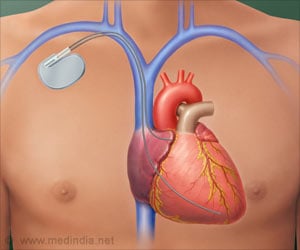
Pacemakers are the most common way to treat bradycardia to help restore the heart's normal rhythm and relieve the symptoms by sending electrical impulses to the heart to increase the heart rate.
Unlike traditional pacemakers, this one does not require cardiac wires (leads) or a surgical "pocket" under the skin to deliver a pacing therapy.
When the heart rate is low, it renders the heart incapable of pumping enough oxygen-rich blood to the body during normal activity or exercise, thereby causing dizziness, fatigue, shortness of breath or fainting spells.
Arrhythmias - Palpitation - Causes - Types - Evaluation - Management
Palpitations are unpleasant sensation of one’s own heartbeat.
Palpitations are unpleasant sensation of one’s own heartbeat.
"The device also allows us to automatically adjust pacing therapy based on a patient's activity levels and another positive is the battery can last up to 10 years," he said.
Now, Functional Heart Pacemaker Cells From Stem Cells
The human pacemaker cells were shown to function as a biological pacemaker, by activating the electrical impulses.
The human pacemaker cells were shown to function as a biological pacemaker, by activating the electrical impulses.
"This is not a complicated procedure and the first patient that we implanted is doing extremely well," said Paul Schurmann, from Houston Methodist Hospital in the US.

Biological Pacemakers With Stem Cells Can Replace Electronic Ones
The biological pacemaker is intended as an alternative to the artificial cardiac pacemaker that's been in human use since the late 1950s.
The biological pacemaker is intended as an alternative to the artificial cardiac pacemaker that's been in human use since the late 1950s.
Source-Medindia
 Email
Email