MEDINDIA
 English
 हिन्दी
 Español
 français
 中文
中文

Your kidneys work hard every day- discover how to keep them healthy this World Kidney Day!
Highlights:
Kidneys play a crucial role in maintaining overall health, yet they often go unnoticed until problems arise. World Kidney Day, celebrated annually on the second Thursday of March, raises awareness about the importance of kidney health and encourages early detection and prevention of kidney diseases (1✔ ✔Trusted Source- Over 850 million people worldwide suffer from kidney disease—early detection and prevention are key
- Diabetes, hypertension, and obesity are the leading causes of chronic kidney disease
- Regular exercise, a balanced diet, and proper hydration are essential for kidney health
World Kidney Day
Go to source). In 2025, the focus remains on promoting kidney health through lifestyle changes, regular screenings, and better access to care. Let's explore the importance of kidney health, common causes of kidney disease, and practical steps to protect these vital organs.

Breathing Dirty Air may Lead to Kidney Failure
Breathing in unclean air due to increasing air pollution could cause kidney damage with resultant kidney failure according to a recent epidemiologic study.
Breathing in unclean air due to increasing air pollution could cause kidney damage with resultant kidney failure according to a recent epidemiologic study.
TOP INSIGHT

Your kidneys filter around 50 gallons of blood every day? That’s enough to fill a small bathtub! #kidneyhealth #worldkidneyday #healthyliving #medindia
Why is Kidney Health Important?
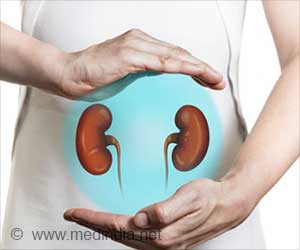
The kidneys are two bean-shaped organs located below the rib cage. They are responsible for:- Filtering about 50 gallons of blood every day
- Removing waste products and excess fluids through urine
- Regulating blood pressure and electrolyte balance
- Supporting red blood cell production by releasing erythropoietin

Tea and Kidney Health: A Sip Towards a Longer, Healthier Life
Drinking 3-5 cups of tea daily can reduce mortality risk in patients with chronic kidney disease, especially in the early stages.
Drinking 3-5 cups of tea daily can reduce mortality risk in patients with chronic kidney disease, especially in the early stages.
Rising Threat of Kidney Disease
Kidney disease is often referred to as a "silent killer" because it can progress without noticeable symptoms until it’s advanced. According to the International Society of Nephrology (ISN), over 850 million people worldwide suffer from kidney diseases.
Weight Loss Surgery Vs. Diabetes Medication: Which is Better for Kidney Health?
What’s better for kidneys: bariatric surgery or diabetes medication? Find out how weight-loss surgery stacks up against GLP-1 drugs in fighting kidney disease.
What’s better for kidneys: bariatric surgery or diabetes medication? Find out how weight-loss surgery stacks up against GLP-1 drugs in fighting kidney disease.
Key Risk Factors for Kidney Disease
- Diabetes – High blood sugar damages kidney filters over time.
- High blood pressure – Increased pressure harms blood vessels in the kidneys.
- Obesity – Excess weight increases the risk of diabetes and hypertension.
- Smoking – Constricts blood vessels, reducing blood flow to the kidneys.
- Genetics – Family history of kidney disease increases the likelihood of developing it.
Centipede Venom for Kidney Health: Traditional Wisdom, Modern Solution
Discover how centipede venom may revolutionize kidney disease treatment.
Discover how centipede venom may revolutionize kidney disease treatment.
Signs and Symptoms of Kidney Disease
While kidney disease may not show early symptoms, some common warning signs include:- Frequent urination, especially at night
- Swelling in ankles and feet
- Persistent fatigue and weakness
- Difficulty concentrating
- Foamy or bloody urine
- High blood pressure
Prevention and Management of Kidney Disease
Protecting kidney health starts with a proactive approach:Maintain a Healthy Diet
- Reduce salt and processed foods.
- Eat potassium-rich foods like bananas and spinach in moderation.
- Limit sugar and saturated fats.
Stay Hydrated
- Aim for 2-3 liters of water per day unless advised otherwise by a doctor.
- Proper hydration supports kidney filtration and prevents kidney stones.
Exercise Regularly
- Engage in at least 30 minutes of moderate activity (like walking or swimming) 5 times a week.
- Exercise helps regulate blood pressure and weight, reducing strain on the kidneys.
Avoid Smoking and Limit Alcohol
- Smoking reduces blood flow to the kidneys.
- Excessive alcohol consumption increases the risk of high blood pressure.
Monitor Blood Pressure and Blood Sugar Levels
- Keep blood pressure below 120/80 mmHg.
- Manage diabetes with proper medication and diet.
Global Efforts on World Kidney Day 2025
World Kidney Day 2025 focuses on increasing access to kidney care worldwide. Global health organizations emphasize the need for early screening and affordable treatment. Public health campaigns will highlight the importance of regular check-ups and healthy living. This year’s theme, “Kidney Health for All”, aims to bridge gaps in healthcare access and provide support for at-risk populations.Kidney health is essential for overall well-being. By adopting a healthy lifestyle, monitoring risk factors, and seeking early treatment, individuals can reduce the chances of developing kidney disease. World Kidney Day 2025 serves as a timely reminder to care for your kidneys and support global efforts to ensure kidney health for all.
Reference:
- World Kidney Day - (https://www.worldkidneyday.org/)
Source-Medindia
 Email
Email