MEDINDIA
 English
 हिन्दी
 Español
 français
 中文
中文

Think it’s just a sweet treat? New findings show how even moderate sugary drink consumption could spark metabolic chaos- organ by organ.
Highlights:
Even if you eat a balanced diet, it's likely that your small intestine is processing and requesting more sugar at the expense of essential nutrients if you frequently drink sugar-sweetened beverages (SSBs). And this is just one result.
- Regular sugary drink consumption rewires the small intestine, leading to glucose "addiction" and nutrient imbalance
- Excess glucose absorption triggers insulin resistance in the liver and mitochondrial dysfunction in muscles
- The study underlines the urgent need for policies targeting sugar-sweetened beverage consumption, especially in vulnerable populations
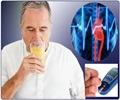
Diabetes Type 2 and Its Link to Sugar-Sweetened Beverages
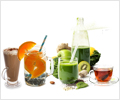
Sugar-sweetened beverages contribute to metabolic syndrome leading to higher risk for type-2 diabetes and cardiovascular disease.
Sugar-sweetened beverages contribute to metabolic syndrome leading to higher risk for type-2 diabetes and cardiovascular disease.
TOP INSIGHT

Did you know?
Your small intestine can develop a "molecular addiction" to sugar, demanding more glucose over essential nutrients like protein and fat!
#sugaraddiction #guthealth #metabolichealth #medindia
Link Between Excess Sugar Intake and Metabolic Disorders
A multi-institutional study conducted by the Advanced Research Unit on Metabolism, Development & Aging (ARUMDA) at the Tata Institute of Fundamental Research (TIFR) has revealed that the small intestine, liver, and muscles- the organs linked to diabetes and obesity- have different reactions to long-term sucrose consumption, which is on the rise in many parts of the world, including India. The study was published in the Journal of Nutritional Biochemistry (1✔ ✔Trusted SourceConsumption of sucrose-water rewires macronutrient uptake and utilization mechanisms in a tissue specific manner
Go to source).
Previous research has found a substantial link between excessive sucrose consumption and an increased risk of developing insulin resistance, steatotic liver disease, and other disorders in people. The current three-year study looked into the effect of 10% sucrose on cellular, molecular, and metabolic pathways in a tissue-organ specific manner, which is practically impossible to address in people.

Eat Smart, Age Well: Diets That Promote Healthy Aging
Can your midlife diet predict how well you age? A new study links plant-based foods and minimal ultra-processed foods to a healthier, longer life!
Can your midlife diet predict how well you age? A new study links plant-based foods and minimal ultra-processed foods to a healthier, longer life!
Organ-Specific Effects of Long-Term Sugar Consumption
"To combat disease, it is critical to understand the underlying mechanisms that contribute to its overall manifestation in various organs," stated Ullas Kolthur-Seetharam of ARUMDA. "Although scientists know that every organ does not behave similarly when there is a pathological manifestation/disease, very few studies have looked at individual organs as part of the same study."
Taming Your Sweet Tooth: Steps to Curb Sugar Addiction
Struggling with sugar cravings? Understand the signs, causes, and detox strategies to manage sugar addiction and restore a healthier relationship with food.
Struggling with sugar cravings? Understand the signs, causes, and detox strategies to manage sugar addiction and restore a healthier relationship with food.
India's Rising Consumption of Sugar-Sweetened Beverages
The study is significant because reports from the UN Public Division, the Global Dietary Database, and other global studies have revealed a worrying increase in SSB intake worldwide, including in India. "Regardless of socioeconomic position or urban/rural background, consumption of sugar-sweetened beverages has surged in India. Furthermore, these and other fizzy drinks have grown more affordable," Kolthur-Seetharam explained.
Diet Soft Drinks: A Healthier Choice or Hidden Hazard?
Despite being sugar-free, diet soft drinks may pose health risks like metabolic issues, dental erosion, and possible cancer links.
Despite being sugar-free, diet soft drinks may pose health risks like metabolic issues, dental erosion, and possible cancer links.
Realistic Sugar Exposure: Mimicking Human Consumption Patterns
So far, studies have looked at the consequences of extremely high sucrose concentrations (unusual in humans), excess sucrose in feed rather than water, and the negative effects of fructose overconsumption. In contrast, the current study utilized a preclinical mouse model that closely resembled human consumption habits. Over a three-month period, researchers gave mice 10% sucrose water. Most commonly consumed beverages contain 10-15% sugar.Sonawane explained that their research revealed three distinct signatures. "Essentially, the mechanisms that were implicated in the intestines were not the same as those in the liver and in the muscles," stated Dr. Cohen.
Intestinal ‘Molecular Addiction’ to Sugar Alters Nutrient Absorption
The study discovered that the small intestine plays a significant role in systemic glucose imbalances when sugar levels fall or rise. Researchers made a surprising discovery: three months of sweetened sugar water rewired the intestine to absorb more and more of it, a behavior known as "molecular addiction". This addiction causes a disproportionate absorption of glucose over other nutrients like amino acids and lipids, which are required for growth and development.Sugar's Cascading Impact: From Liver Insulin Resistance to Muscle Dysfunction
Increased glucose absorption in the liver causes systemic insulin resistance, resulting in metabolic imbalance and obesity. In skeletal muscles, mitochondrial dysfunction- the cell's powerhouse- and decreased glucose use efficiency all contribute to metabolic diseases.Reducing Sugary Drink Consumption Through Awareness
According to the authors, the study's findings highlight the urgent need for policies and awareness initiatives to minimize SSB consumption, particularly among vulnerable populations.Dr. Nihal Thomas, a senior professor at Christian Medical College in Vellore who was not involved in the study, said the findings had significant public health implications. "The World Health Organization has also lately suggested that children under the age of two avoid sugar in order to lower their risk of developing chronic diseases as adults. With these findings, even as adults, we should be extremely cautious about drinking sugary beverages."
What is a Sugar-Sweetened Beverage (SSB)?
The Centers for Disease Control and Prevention define SSBs as drinks sweetened with added sugars like brown sugar, corn syrup, dextrose, honey, molasses, raw sugar, and sucrose (2✔ ✔Trusted SourceGet the Facts: Sugar-Sweetened Beverages and Consumption
Go to source). Examples include ordinary soda (not sugar-free), fruit drinks, energy drinks, sweetened waters, and sugary coffee and tea.
References:
- Consumption of sucrose-water rewires macronutrient uptake and utilization mechanisms in a tissue specific manner - (https://www.sciencedirect.com/science/article/abs/pii/S0955286325000130)
- Get the Facts: Sugar-Sweetened Beverages and Consumption - (https://www.cdc.gov/nutrition/data-statistics/sugar-sweetened-beverages-intake.html)
Source-Medindia
 Email
Email