MEDINDIA
 English
 हिन्दी
 Español
 français
 中文
中文
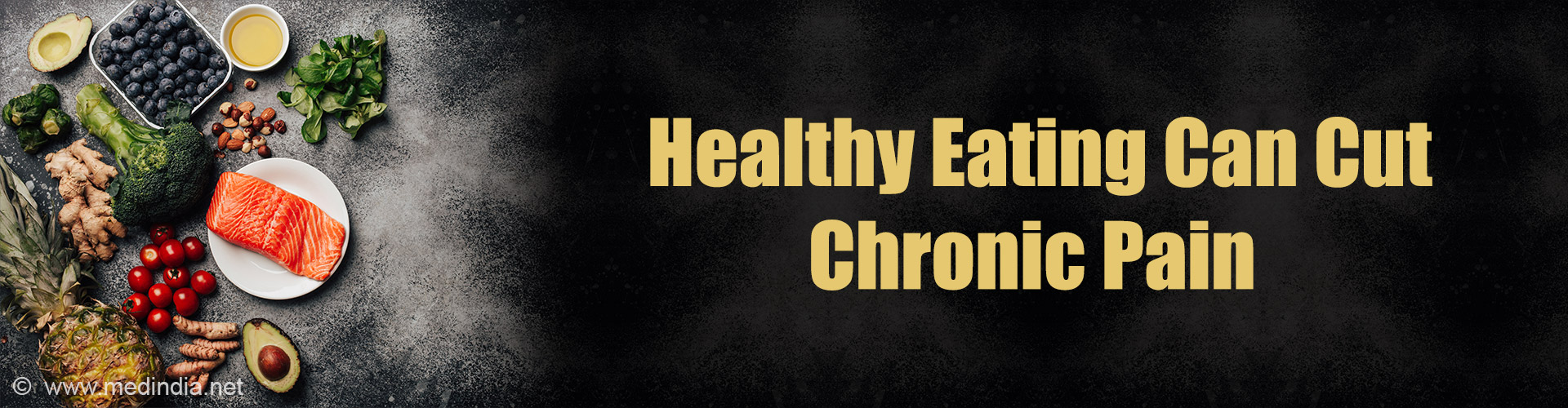
Better diet quality directly improves chronic pain outcomes, independent of weight loss.
Highlights:
A new study published in the European Journal of Nutrition suggests that eating a healthier diet could play a direct role in reducing chronic musculoskeletal pain, offering fresh hope to millions who live with daily discomfort. The research indicates that diet quality itself, rather than just weight loss, may help lessen pain severity and improve quality of life (1✔ ✔Trusted Source- Improved diet quality lowers chronic musculoskeletal pain
- Pain relief was not solely explained by weight loss
- Nutritious foods directly reduced pain severity in adults
Exploring the role of diet quality and adiposity in the pain experience: a mediation analysis
Go to source).

Breaking the Chain of Pain: A Guide to Managing Chronic Pain
Chronic pain can persist for far longer than you might imagine. Learn how to identify and seek the right medical care
Chronic pain can persist for far longer than you might imagine. Learn how to identify and seek the right medical care
TOP INSIGHT

Did You Know?
Eating nutrient-rich foods may cut chronic pain in half #healthyeating #painrelief #medindia
Key Statistics: Diet, Weight, and Pain Improvement
In this 3-month dietary intervention, participants improved their diet quality scores by 22 percent and lost an average of 7.1 kilograms. The number of people living with chronic musculoskeletal pain dropped dramatically from 50 percent at the start to 24 percent by the end of the study. Alongside these improvements, pain severity lessened, and pain-related quality of life scores increased significantly. Interestingly, while participants lost both weight and body fat, the researchers found that these changes in adiposity did not explain the improvements in pain. Instead, the direct improvement in diet quality was strongly linked with reduced pain severity.
Chronic Pain Relief: New Target Identified
The researchers believe that the new target for pain relief could benefit many types of chronic pain sufferers.
The researchers believe that the new target for pain relief could benefit many types of chronic pain sufferers.
How Diet Quality Affects Pain
Chronic musculoskeletal pain often results from more than just excess body weight pressing on joints. The study highlights how the quality of foods consumed can directly influence pain levels. Nutrient-rich diets high in vegetables, fruits, lean proteins, and whole grains may reduce inflammation, which is thought to play a key role in persistent pain. On the other hand, diets filled with processed foods, added sugars, and alcohol are associated with higher levels of discomfort. The findings suggest that choosing healthier foods might help people experience less pain, regardless of whether they lose weight.
Chronic Pain Treatment Enhanced by Practices Like Acupressure
A recent study has found that a treatment combined with acupressure, a slight change in day-to-day activities and the use of adaptive devises may help alleviate chronic pain.
A recent study has found that a treatment combined with acupressure, a slight change in day-to-day activities and the use of adaptive devises may help alleviate chronic pain.
Beyond Weight Loss: Why This Matters
Many previous studies have focused only on the benefits of losing weight for joint pain, particularly in the knees and hips. While weight loss certainly helps relieve pressure on these areas, the new research shows that diet quality has its own independent power. This is a crucial insight because not everyone with chronic pain can lose large amounts of weight quickly, but most can begin to make small, positive changes to their diet.
A Shift from Pills to Manage Chronic Low Back Pain
Integrating healthy lifestyle changes into care plans helps reduce disability from chronic low back pain, emphasizing holistic, patient-centered treatment.
Integrating healthy lifestyle changes into care plans helps reduce disability from chronic low back pain, emphasizing holistic, patient-centered treatment.
The Role of Inflammation and Food Choices
Excess body fat is known to produce pro-inflammatory substances that can worsen pain. However, this study found that reductions in body fat did not mediate the improvements in pain. Instead, the dietary improvements themselves seemed to make a difference. A higher-quality diet, aligned with national dietary guidelines, reduced reliance on discretionary foods such as processed snacks and alcohol. At the same time, participants increased their intake of whole foods such as fruits, vegetables, and lean proteins. These changes may have lowered inflammation in ways not directly measured in the study but still significant enough to reduce pain perception.Real-Life Impact for People with Chronic Pain
For people living with long-term musculoskeletal pain, these results are meaningful. Simple changes like swapping sugary snacks for fruit, adding more vegetables to daily meals, or choosing lean sources of protein could potentially improve day-to-day comfort levels. Importantly, this approach empowers individuals to take active steps toward feeling better without relying solely on medications or surgical options.A Shift in Pain Management Strategies
This study also points to a broader shift in how chronic pain could be managed. Traditionally, the focus has been on medications, physical therapy, or weight reduction. Now, attention is turning toward dietary quality as a therapeutic tool. If further research confirms these results, healthcare professionals may start prescribing not just weight loss plans but also specific dietary changes to help manage chronic pain. The idea that food itself can help ease suffering could transform how pain care is approached worldwide.Diet Quality as a Natural Solution for Chronic Pain
The message from this research is clear: diet matters, not just for waistlines but also for quality of life. Improving diet quality has the potential to directly reduce pain, independent of how much weight a person loses. This opens a powerful new avenue for those seeking relief from chronic musculoskeletal pain. While more studies are needed to explore the long-term impact, these findings add to a growing recognition of diet as a cornerstone of holistic health.Pain does not have to be your everyday companion. A shift toward nourishing meals can open the door to lighter, freer days ahead.
Reference:
- Exploring the role of diet quality and adiposity in the pain experience: a mediation analysis - (https://link.springer.com/article/10.1007/s00394-025-03772-0)
Source-Medindia
 Email
Email