 MEDINDIA
 English
 हिन्दी
 Español
 français
 中文
中文
 Email
Email
- Weight Control - (https://medlineplus.gov/weightcontrol.html)
- Reasons for intentional weight loss, unintentional weight loss, and mortality in older men. - (https://pubmed.ncbi.nlm.nih.gov/15883243/)
- Unintentional weight loss - (https://pubmed.ncbi.nlm.nih.gov/35138701/)
- Defining the Optimal Dietary Approach for Safe, Effective and Sustainable Weight Loss in Overweight and Obese Adults - (https://www.ncbi.nlm.nih.gov/pmc/articles/PMC6163457/ )
- The Effect of Adherence to Dietary Tracking on Weight Loss: Using HLM to Model Weight Loss over Time - (https://www.ncbi.nlm.nih.gov/pmc/articles/PMC5568610/ )
- Association between Breakfast Skipping and Body Weight-A Systematic Review and Meta-Analysis of Observational Longitudinal Studies. - (https://www.ncbi.nlm.nih.gov/pmc/articles/PMC7832891/)
- Effects of meal frequency on weight loss and body composition: a meta-analysis - (https://pubmed.ncbi.nlm.nih.gov/26024494)
- Will smaller plates lead to smaller waists? A systematic review and meta-analysis of the effect that experimental manipulation of dishware size has on energy consumption - (https://pubmed.ncbi.nlm.nih.gov/25040672/)
- Home Meal Preparation: A Powerful Medical Intervention. - (https://www.ncbi.nlm.nih.gov/pmc/articles/PMC7232892/)
- Increasing the number of chews before swallowing reduces meal size in normal-weight, overweight, and obese adults. - (https://pubmed.ncbi.nlm.nih.gov/24215801/)
- Mindful eating: what we know so far - (https://pubmed.ncbi.nlm.nih.gov/36045097/ )
- Low/no calorie sweetened beverage consumption in the National Weight Control Registry. - (https://www.ncbi.nlm.nih.gov/pmc/articles/PMC4565596/ )
- Physical Activity for a Healthy Weight - (https://www.cdc.gov/healthyweight/physical_activity/index.html )
- Scientific evidence of diets for weight loss - (https://pubmed.ncbi.nlm.nih.gov/31525701/)
- Treatment of obesity by very low calorie diet, behavior - (https://pubmed.ncbi.nlm.nih.gov/2613427/)
- Optimal Diet Strategies for Weight Loss and Weight Loss Maintenance - (https://pubmed.ncbi.nlm.nih.gov/33107442/)
- Effect of exercise duration and intensity on weight loss in overweight, sedentary women: a randomized trial - (https://pubmed.ncbi.nlm.nih.gov/12966123/)
- Weight-loss outcomes: a systematic review and meta-analysis of weight-loss clinical trials with a minimum 1-year follow-up - (https://pubmed.ncbi.nlm.nih.gov/17904936/)
- Increased Hydration Can Be Associated with Weight Loss - (https://pmc.ncbi.nlm.nih.gov/articles/PMC4901052/)
- Hypovolemia-induced obesity and diabetes - (https://pubmed.ncbi.nlm.nih.gov/19709692/)
- Low-fat diets and energy balance: how does the evidence stand in 2002? - (https://pubmed.ncbi.nlm.nih.gov/12133213/)
- Dietary fat: assessing the evidence in support of a moderate-fat diet; the benchmark based on lipoprotein metabolism - (https://pubmed.ncbi.nlm.nih.gov/12133212/)
- The association between sleep health and weight change during a 12-month behavioral weight loss intervention - (https://pmc.ncbi.nlm.nih.gov/articles/PMC7914147/)
- National Sleep Foundation's sleep time duration recommendations: methodology and results summary - (https://pubmed.ncbi.nlm.nih.gov/29073412/)
- Effect of short sleep duration on daily activities--United States, 2005-2008 - (https://pubmed.ncbi.nlm.nih.gov/21368739/)
- Barriers and Motivators to Weight Loss in People With Obesity - (https://pubmed.ncbi.nlm.nih.gov/38116343/)
- Availability of weight-loss supplements: Results of an audit of retail outlets in a southeastern city - (https://pubmed.ncbi.nlm.nih.gov/17126636/)
- Why US adults use dietary supplements - (https://pubmed.ncbi.nlm.nih.gov/23381623/)
- Obesity and overweight - (https://www.who.int/news-room/fact-sheets/detail/obesity-and-overweight)
Weight Loss Calculator is designed to guide and simplify your weight loss journey, this Weight Loss tool makes achieving your weight loss goals an attainable reality, not just a distant dream.
Are you constantly waging a frustrating battle against the bulge, striving to shed those stubborn extra inches around your waist or hips? If so, the Weight Loss Calculator could be a great calculator to get started. Let''s embark on this transformative journey towards a healthier, fitter you - together.
A Word of Caution: It's important to note that reducing calorie intake to achieve a healthy weight is beneficial. However, drastically cutting calories or striving to lose weight just to conform to social stereotypes, especially when you're already at a healthy weight, is not advisable.
Overweight and Obesity a Global Problem: Please note that there are 2.5 billion adults aged 18 years and older who are overweight or obese as per WHO report in 2022.
Intentional weight loss involves purposefully shedding pounds for personal reasons, such as improving appearance. This is typically achieved through a specified diet and exercise regime(2✔).
Unintentional weight loss - If weight loss occurs unintentionally over 6-12 months due to underlying health conditions, it's termed unintentional weight loss(3✔).
By integrating these tactics and utilizing tools like weight loss planning calculators, calorie intake calculators and body weight planners, you can effectively manage your calorie intake and make significant progress toward your weight loss goals. Calculate your daily calorie requirement to maintain healthy weight 
A Word of Caution: It's important to note that reducing calorie intake to achieve a healthy weight is beneficial. However, drastically cutting calories or striving to lose weight just to conform to social stereotypes, especially when you're already at a healthy weight, is not advisable.
Overweight and Obesity a Global Problem: Please note that there are 2.5 billion adults aged 18 years and older who are overweight or obese as per WHO report in 2022.
What Exactly is Weight Loss?
Weight loss refers to the reduction in overall body mass, resulting from a loss of bodily fluids, body fat or adipose tissue, and/or lean body mass. It occurs when your body uses or expends more energy than it takes in(1✔).What are the different types of weight loss?
Weight loss can be intentional or unintentional.Intentional weight loss involves purposefully shedding pounds for personal reasons, such as improving appearance. This is typically achieved through a specified diet and exercise regime(2✔).
Unintentional weight loss - If weight loss occurs unintentionally over 6-12 months due to underlying health conditions, it's termed unintentional weight loss(3✔).
Top Ten Tactics: Mastering Daily Calorie Intake for Effective Weight Loss
Navigating the complex world of weight loss can often feel like traversing a maze and can make you feel like a lost battle. However, the key to decoding this weight loss conundrum lies in understanding the role of calories, which are simply units of energy. And to lose weight, the calories you burn or expend must exceed the ones you consume daily. This is the basic principle that determines all the strategies that is required to be followed.- Set Realistic Weight Loss Goals
Abandon fad diets and food deprivation tactics. Instead, focus on establishing achievable and simple weight loss goals. Aiming to lose 5-10% of your current weight is a good start. Complement this with short-term, specific objectives, such as daily light exercise like a 30-minute walk(4✔). - Understand Your Calories
Did you know one pound or 0.45 kg equals to 3,500 calories? Thus, targeting to burn extra 500 calories daily will lead to losing a pound per week or over four pounds( about 2 Kg a month. So, begin tracking your daily calorie intake as every calorie counts!(5✔). Understanding your calorie intake is crucial for weight loss. - Commit to a Healthy Breakfast
Breakfast is the most important meal of the day, so kick-start your day with a substantial breakfast to suppress your daytime hunger. Skipping breakfast or having a meager one is a no-no and a poor strategy. A healthy breakfast helps jump-start your metabolism, promoting calorie burn throughout the day(6✔). - Small, Regular Meals can Keep Extra Calories at Bay
It is better to opt for light meals every 3-4 hours to prevent overeating or binge eating. Starvation is not the answer for weight loss(7✔). - Use Smaller Plates to Control Portions
Studies reveal that smaller plate sizes can decrease consumption by up to 30%. Reducing food portions is a fantastic first step if you're committed to weight loss(8✔). - Opt for Home-Cooked Meals
Home-cooked meals are typically lower in sugar. Prioritize preparing healthy food at home to avoid excessive calorie intake from eating out or consuming processed foods(9✔). - Chew Thoroughly
This is again a simple but effective strategy. Eating slowly aids not only digestion but also enhances the basal metabolic rate and potentially accelerates calorie burn. Plus, it can provide a psychological sense of fullness(10✔). - Embrace Mindful Eating
Often amid our fast-paced lifestyles, we neglect to enjoy and savor our food. Pay attention to what and how much you eat. It helps curb emotional cravings and promotes satisfaction(11✔). - Be Beverage-Wise
Paying attention to what we drink is perhaps more important than what we eat. Avoid calorie-loaded drinks such as sweetened teas, juices, sodas, and energy drinks. Minimize alcohol intake and develop a habit of drinking water. Add flavor to it and you may consume it more(12✔). - Stay Active
In the hustle of our daily schedules, regular light activities can be as beneficial as intense gym sessions. Simple acts such as walking, running, or even dancing can serve as great alternatives. These simple physical activities not only help burn calories but also improve metabolism.(13✔).
FAQ’s on Diet, Exercise and Lifestyle Factors for Weight Loss
1. What is the best diet for weight loss?
There is no one ‘best diet’ for weight loss. The diet for weight loss can vary from one individual to another and in the short term, high-protein, low-carbohydrate diets with intermittent fasting can promote greater weight loss and can be adopted as a jumpstart(14✔).Generally, the long-term strategy is to adopt a diet that creates a negative energy balance and focuses on good food quality to promote health.
A balanced good food quality diet includes plenty of vegetables, fruits, lean proteins, and whole grains.
2. What are the popular weight loss diet plans?
Besides, intermittent fasting other popular diets for weight loss include low-carbohydrate, Mediterranean, DASH, Atkins, Nordic, and Paleo diets. Although these diets maybe popular it is advised to practice caution and seek your physicians' advice before starting any of these diets.3. How much weight can I lose in a month?
A healthy weight loss rate is typically 1-2 pounds per week, which translates to about 4-8 pounds per month. This rate helps ensure that the weight loss is sustainable and primarily from fat, not muscle.However the percentage of individuals who lose weight and successfully maintain the loss has been estimated to be as small as 1 to 3 percent(15✔).
Hence it is important to have a long-term strategy for keeping the optimum weight.
4. What are the key components of the weight loss strategy?
Many factors can shape and influence weight management. When making a long-term strategy one should be mindful of the amount of food eaten (by using smaller plates), the type of food consumed (high protein and low carb so that there is better satiety and no binge eating), adequate hydration, timing of meals (do not skip meals) and regular exercise. These key factors act as effective weight loss tips and play an important role in long-term weight-management strategy (16✔).5. What are some effective exercises for weight loss?
Effective exercises for weight loss include a combination of cardio (like running, cycling, and swimming) and strength training (such as lifting weights or bodyweight exercises).High-Intensity Interval Training (HIIT) is also very effective. More vigorous and longer duration exercise can result in a bigger weight loss(17✔).
Once you lose weight 30 minutes of daily exercise like brisk walking can keep the weight optimum.
6. Can Exercise alone be sufficient for weight loss?
Interestingly if you use exercise alone for weight loss (without diet intervention) then you may only experience minimal weight loss. This was highlighted in a major review study with a minimum of 1-year follow-up(18✔).7. How important is hydration for weight loss?
Staying hydrated is crucial for weight loss as it helps regulate your metabolism, keeps you full, and aids in the digestion of food. Drinking water before meals can also help reduce calorie intake. Studies also indicate that hydration helps not only in weight loss but also reduces the risk for the development of obesity and type 2 diabetes(19✔).Rodent studies indicate weight loss due to good hydration happens due to two mechanisms - decreased feeding and increased lipolysis or fat breakdown. It was also observed that chronic, hypo-hydration can cause increase in the body weight(20✔).
8. Can I lose weight without exercise?
Yes, it is possible to lose weight without exercise by focusing on diet and calorie intake. However, combining diet with exercise is more effective for long-term weight management and overall health.Two comprehensive studies have examined the impact of low-fat diets on weight loss. Astrup et al. (2002) found that low-fat diets led to significant weight loss, with a 10% reduction in dietary fat predicting a 4- to 5-kg weight loss for individuals with a BMI of 30(21✔).
Kris-Etherton et al. (2002) reported that moderate-fat diets (20-30% of energy from fat) were more effective for weight loss due to better adherence compared to very low-fat diets(22✔).
9. How does sleep affect weight loss?
Lack of sleep can negatively impact weight loss by increasing hunger hormones and cravings, leading to binge eating and higher calorie intake. Better sleep health is associated with not only greater weight but also fat loss(23✔).You should aim for 7-9 hours of quality sleep per night to support weight loss efforts. This duration is considered appropriate for good health in adults aged 18-60(24✔), with an optimal average of 7.5 hours(25✔)
10. How can I stay motivated to lose weight?
Motivation to lose weight starts with a desire to improve self-image and self-esteem, as well as for aesthetic reasons like fitting into regular outfits. It can also help children avoid provocation and bullying at school(26✔). Maintaining an optimum weight has long-term health benefits, including reducing the risk of diabetes, arthritis, hypertension, cancer, and many other health issues.To stay motivated, remind yourself of these initial reasons for your weight loss journey. Set realistic goals, track your progress, find a support system, reward yourself for milestones, and maintain a positive mindset. There are many fitness apps and wearables like smart watch that are effective at tracking your progress.
11. Are weight loss supplements effective?
While some weight loss supplements may help, they are not a substitute for a healthy diet and exercise. Many supplements are not well-regulated, so it's important to consult with a healthcare provider before using them.Remember that dietary weight loss supplements come in a wide variety of products and forms, including capsules, tablets, liquids, powders, and bars(27✔). Do some research before selecting any one of them. Pills are easy and convenient to use but may not be the most suitable, so do consult your healthcare professional before selecting them.
Americans spend about $2.1 billion a year on weight-loss dietary supplements in pill form (e.g., tablets, capsules, and softgels)
12. What is the prevalence of obesity?
In 2022, approximately 890 million adults were living with obesity, representing about 16% of the global population aged 18 and older. Between 1990 and 2022, the worldwide prevalence of obesity more than doubled (29✔).Questions you should Consider asking a dietitian or nutrition expert for weight loss
When consulting a dietitian or nutrition expert for weight loss, it's important to ask a few questions to understand your weight loss journey and how to maintain it in the long run.Here are some questions you might consider asking:
- Can you help me create the right meal plan that aligns with my weight loss goals?
- How can I make sure I'm getting all the necessary nutrients while losing weight?
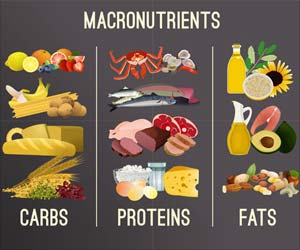
- How should I balance my intake of proteins, carbs and fat to optimize weight loss?
- Can I have snacks each day?
- Are there any strategies to manage my cravings or emotional over eating?
- What are the potential reasons for my food cravings?
- How can I distinguish between true hunger and cravings?
- Can stress trigger cravings? If so how to reduce it?
- How much water should I drink?
- Are there any ways to handle hunger while trying to lose weight?
- What types of exercises will best complement my diet for weight loss?
- Has sleep got anything to do with weight loss?
- What strategies do you recommend for maintaining weight loss in the long term?
- How can I prevent weight regain once I reach my goal?
- How much weight realistic do you think I can lose over a month?
- Are there any potential health risks associated with my current diet?
- Are there any way to stay motivated and consistent with my diet?
- What is mindful eating?
- Are there Fitness apps or support groups that you can recommend?
- How often should we meet to track my progress and adjust the plan?


















Hello, what is considered, moderately active"? If I add 2 hours to my daily activity. Would that be considered active?