MEDINDIA
 English
 हिन्दी
 Español
 français
 中文
中文

A large study in JAMA Network Open links GLP-1 drugs like semaglutide to a two-fold risk of wet age-related macular degeneration in older adults with diabetes.
Highlights:
A large-scale study published in JAMA Network Open has found that certain widely prescribed diabetes medications may significantly raise the risk of a potentially blinding eye condition in older adults. The drugs in question, known as glucagon-like peptide-1 receptor agonists (GLP-1 RAs), include popular names like semaglutide (Ozempic, - GLP-1 RA use was linked to a 2.21-fold risk of developing neovascular age-related macular degeneration (nAMD)
- Only 0.2% of exposed individuals developed nAMD, compared to 0.1% in the unexposed group
- Semaglutide was the predominant GLP-1 RA used, accounting for 97.5% of prescriptions in the exposed group
Glucagon-Like Peptide-1 Receptor Agonists and Risk of Neovascular Age-Related Macular Degeneration
Go to source).
GLP-1 Agonists Improve Heart Health, Even for Non-Diabetics
Glucagon-like peptide-1 receptor agonists improve cardiovascular outcomes and reduce mortality in patients with type 2 diabetes.
Glucagon-like peptide-1 receptor agonists improve cardiovascular outcomes and reduce mortality in patients with type 2 diabetes.
TOP INSIGHT

Did You Know?
A commonly prescribed diabetes drug may double your risk of developing a sight-threatening eye disease. #eyehealth #glp1warning #medindia
Over 1 Million Patients Studied
The research team identified 1,069,140 eligible patients between January 2020 and November 2023. Among them, 72,755 patients (6.8%) had been exposed to GLP-1 RAs for at least 6 months, while 996,385 patients (93.2%) had no prior exposure.Using a 1:2 propensity score matching strategy to reduce confounding factors, the authors created a final matched cohort of 139,002 patients, comprising:
- 46,334 GLP-1 RA users
- 92,668 non-users (controls)
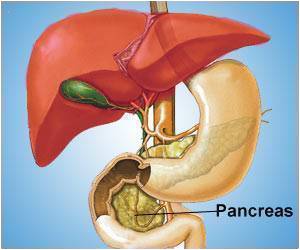
GLP-1 Drugs for Diabetes and Obesity: May Reduce Risk of Acute Pancreatitis
GLP-1 drugs prescribed to treat type 2 diabetes and obesity could reduce the chances of developing acute pancreatitis.
GLP-1 drugs prescribed to treat type 2 diabetes and obesity could reduce the chances of developing acute pancreatitis.
A Doubling of Risk for Wet AMD
Over the course of approximately 2.4 years of follow-up, 93 patients (0.2%) in the GLP-1 RA group developed neovascular age-related macular degeneration (nAMD), also known as wet AMD. In contrast, only 88 patients (0.1%) in the non-user group developed the condition.This means that patients with diabetes who used GLP-1 RAs had more than twice the hazard of developing wet AMD compared to non-users, even after accounting for age, sex, comorbidities, and socioeconomic factors.

Early-Onset Type 2 Diabetes Linked to Eye Disease Risk
Young-onset type 2 diabetes in men must be detected early enough and treated adequately to reduce the likelihood of damage to the blood vessels of the eyes, which can lead to blindness.
Young-onset type 2 diabetes in men must be detected early enough and treated adequately to reduce the likelihood of damage to the blood vessels of the eyes, which can lead to blindness.
What Is Wet AMD?
The Most Vision-Threatening Form of Macular Degeneration
Wet AMD is a chronic eye disorder where abnormal blood vessels grow under the retina and leak fluid or blood, damaging the macula- the part of the eye responsible for central vision. It can progress quickly and is a leading cause of vision loss in adults over 60.
While there are treatments to slow the disease, early detection is critical. The condition often begins silently, making it vital to understand and monitor for possible risk factors, especially those introduced by medications.
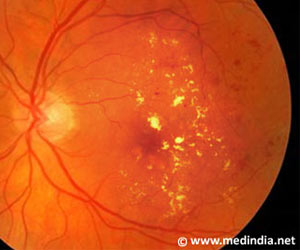
Study Explores Prevalence, Risk Factors for Diabetic Macular Edema
Racial differences are seen in the prevalence of diabetic macular edema and among individuals having diabetes for a longer time and higher levels of hemoglobin A1c.
Racial differences are seen in the prevalence of diabetic macular edema and among individuals having diabetes for a longer time and higher levels of hemoglobin A1c.
Why This Matters for Patients and Doctors
GLP-1s: Game-Changing but Not Risk-Free
GLP-1 receptor agonists have rapidly become a cornerstone in the treatment of type 2 diabetes and obesity, and have also shown cardiovascular benefits. But as their use has expanded into younger populations and for weight loss, long-term safety data, especially for the eyes, remain limited.
This study is one of the first large-scale human investigations to explore a potential retinal side effect of these drugs.
Interestingly, the increased risk was not associated with other eye diseases, nor was it driven by lixisenatide specifically, suggesting a possible class-wide effect, predominantly tied to semaglutide.
Additional Risk Factors
Age and Stroke History Also Matter
Beyond GLP-1 RA exposure, the study also found that older age and a history of cerebrovascular accident (stroke) were independently associated with a higher risk of developing wet AMD. These findings highlight the importance of considering the entire patient profile when prescribing such medications.
This study does not suggest that patients should stop using GLP-1 drugs. These medications continue to offer tremendous benefits for blood sugar control, heart protection, and weight loss. But like any treatment, they come with potential risks.
If you or a loved one is taking semaglutide or a related GLP-1 RA, especially at an older age, it’s wise to:
- Schedule regular retinal check-ups
- Report any new visual symptoms promptly
- Discuss your personal and family eye health history with your doctor
If you’re on GLP-1 medications and over 60, don’t wait for symptoms. Talk to your doctor about scheduling an eye exam—it might save your sight.
Reference:
- Glucagon-Like Peptide-1 Receptor Agonists and Risk of Neovascular Age-Related Macular Degeneration - (https://jamanetwork.com/journals/jamaophthalmology/fullarticle/2834964)
Source-Medindia
 Email
Email