MEDINDIA
 English
 हिन्दी
 Español
 français
 中文
中文
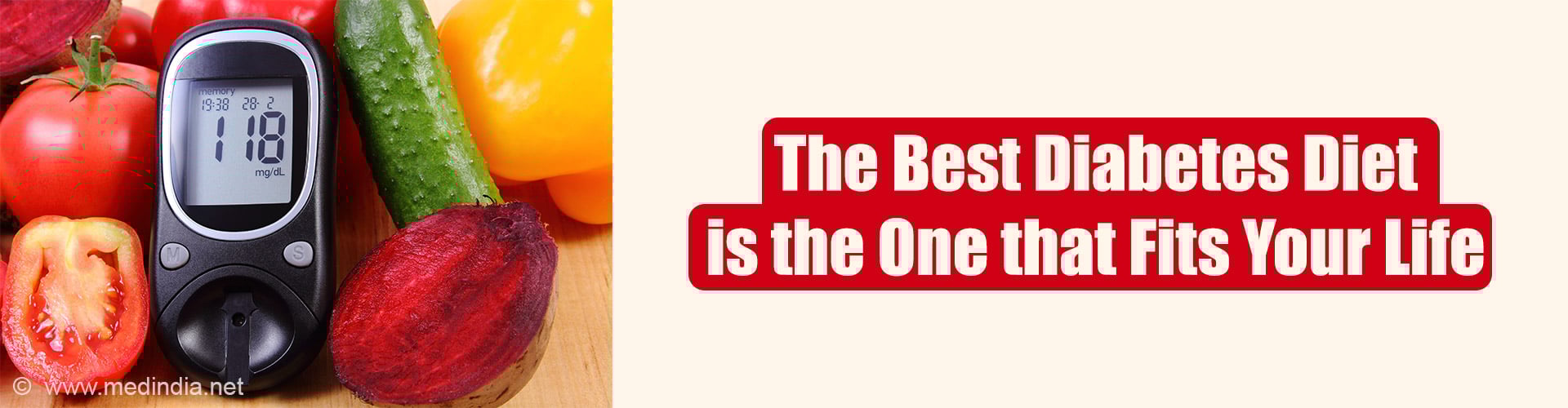
A new UK study reveals how people with type 2 diabetes choose diets that fit their lifestyle — proving one size doesn’t fit all in diabetes care.
Highlights:
Weight control is usually the first step in the management of Type 2 Diabetes (T2D), although it is not always easy to follow a diet.
The National Health Service (NHS) in the UK recommends a Continuous Low Energy Diet (CLED), a strict diet of 800-900 kcal/day based on a formula in order to assist individuals in losing weight and possibly reversing diabetes (approximately 12 weeks to see results). However, many people find it difficult to sustain, especially during holidays or social events (1✔ ✔Trusted Source- Over 57% of diabetics preferred flexible, intermittent diets
- Younger adults chose faster, structured plans like CLED
- Simplicity and lifestyle fit mattered more than rapid results
Understanding Preferences for Weight Loss Diets Amongst Patients With a Diagnosis of Type 2 Diabetes
Go to source).
The research was funded by the Endocrinology and Diabetes Research Fund, Manchester University Hospital, and aimed to understand how patients make decisions on diets such as CLED, ILED, moderate calorie-restricted diets, and
World Diabetes Day 2025: Diabetes Across Life Stages
World Diabetes Day 2025 focuses on “Diabetes Across Life Stages”, urging education, early diagnosis, and continuous care for all age groups.
World Diabetes Day 2025 focuses on “Diabetes Across Life Stages”, urging education, early diagnosis, and continuous care for all age groups.
TOP INSIGHT

Did You Know?
Most people with #diabetes prefer simple, flexible diets over strict ones to stay healthy for life. #worlddiabetesday #diabetesfriendlydiet #medindia
How People with Type 2 Diabetes Choose Their Weight Loss Diets
In total, 622 adults who had type 2 diabetes were surveyed online between the time period of July 2021 and February 2022. Among the study population, around 9 out of 10 were overweight or obese, and most of them had lived with diabetes for about 10 years.They managed their condition with:
- Only medications (nearly 4 out of 10),
- Both diet and medications (about 75%)
- Insulin (about 1 in 7)
- Reducing drug addiction
- Speed of weight loss
- Flexibility of food choice
- Adjusting to family/social life
- Ease and professional assistance

Diabetes Risk Assessment Calculator
Almost one-third of the people are unaware of the risk factors of diabetes. Find out if you run the risk of diabetes by using Diabetes Risk Assessment calculator.
Almost one-third of the people are unaware of the risk factors of diabetes. Find out if you run the risk of diabetes by using Diabetes Risk Assessment calculator.
What Did Diabetic Individuals Prefer to Eat?
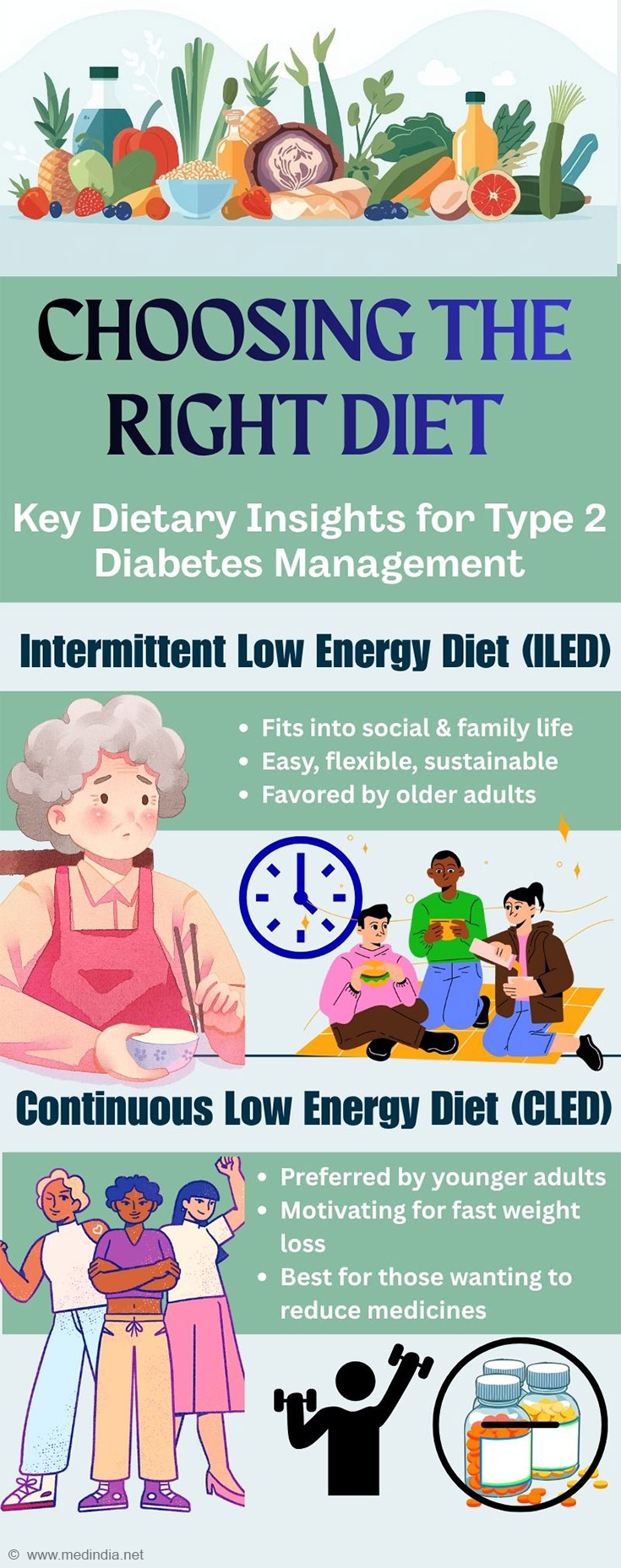
When asked to choose between the two main diet options:- Just over half (57%) preferred the Intermittent Low Energy Diet (ILED)
- About 4 in 10 (43%) chose the Continuous Low Energy Diet (CLED)
Younger adults tended to go for the Continuous Low Energy Diet (CLED), which offers a fast, structured way to lose weight.
In fact, people under 25 were nearly ten times more likely to choose this strict plan compared to those over 75. Equally, ages 25-34 years were approximately fifteen times more likely to choose CLED. This proves that younger individuals favor simple and quick-result diets, and older people favor the Intermittent Low Energy Diet (ILED) that can be more easily integrated into everyday and social life.
The lifestyle also played a significant role. Individuals desiring to lose weight fast or decrease medication intake to control diabetes were more likely to opt for CLED.
Those looking for a diet that could accommodate family meals, social events, or more flexible food options, on the other hand, were much more likely to choose ILED.
Across all age groups and diet types, one factor stood out above the rest — simplicity. People were most likely to stick to a diet that was easy to follow and understand, proving that the best diet isn’t necessarily the strictest or fastest one, but the one that fits smoothly into everyday life.

Toxic Air, Rising Sugar: How Air Pollution Fuels the Diabetes Epidemic
Air pollution raises the risk of diabetes hospitalizations, length of stay, and medical costs — revealing a hidden link between toxic air and blood sugar.
Air pollution raises the risk of diabetes hospitalizations, length of stay, and medical costs — revealing a hidden link between toxic air and blood sugar.
Types of Diabetic Diet People Can Opt For
| Diet Type | What People Liked Most | Common Reasons |
|---|---|---|
| CLED | Quick results and structure | Easy to follow, quick weight loss, motivating, best fit for their schedule |
| ILED | Flexibility and social fit | Can eat with family, simple to manage, flexible food choices |
| Moderate-calorie diet | Balanced and practical | Flexible, familiar foods, easy to stick with |
| Low-carb diet | Familiar and effective | Simplicity, better blood sugar, past success, flexible choices |
Other key factors included budget limits, managing other health issues, and previous success with certain diets.

Quiz on Diabetes
Diabetes has replaced every other condition to become the fastest growing lifestyle disease, globally. This disease also impacts children. Some people are more inclined to develop diabetes than others. Do you belong to the high- risk group? Spend 5 ...
Diabetes has replaced every other condition to become the fastest growing lifestyle disease, globally. This disease also impacts children. Some people are more inclined to develop diabetes than others. Do you belong to the high- risk group? Spend 5 ...
The Best Diet is the One You Can Follow
According to this study, the type of food people eats when managing diabetes is influenced by their value for speed, flexibility, or simplicity. Though diets like CLED are low-calorie diets that offer a quick solution, most people with type 2 diabetes feel more comfortable with daily, food-based diets that are more convenient and easier to follow in their lifestyles. The bottom line is that a diet that suits you is a diet that lasts.Reference:
- Understanding Preferences for Weight Loss Diets Amongst Patients With a Diagnosis of Type 2 Diabetes - (https://pmc.ncbi.nlm.nih.gov/articles/PMC12593182/)
Source-Medindia
 Email
Email