MEDINDIA
 English
 हिन्दी
 Español
 français
 中文
中文

A new study shows black cumin seed may improve cholesterol and reduce fat accumulation.
Highlights:
A new study published in Food Science & Nutrition reports that black cumin seed, also known as Nigella sativa, may help reduce fat formation at the cellular level while improving cholesterol levels in humans. The findings add weight to the growing interest in natural ingredients supporting metabolic health (1✔ ✔Trusted Source- Black cumin seed improved cholesterol levels in just 8 weeks
- Lab tests showed a 40 percent drop in fat buildup inside cells
- The supplement remained safe and well-tolerated with no side effects
Black Cumin Seed (Nigella sativa) Confers Anti-Adipogenic Effects in 3T3-L1 Cellular Model and Lipid-Lowering Properties in Human Subjects
Go to source).
Health Benefits of Kalonji (Nigella Seeds)
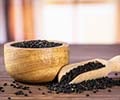
The health benefits of kalonji have been highlighted in folk medicine for many years. The nigella seeds contain many bioactive nutrients that benefit health.
The health benefits of kalonji have been highlighted in folk medicine for many years. The nigella seeds contain many bioactive nutrients that benefit health.
TOP INSIGHT

It can reduce fat storage in cells by nearly 40 percent while improving cholesterol. #blackcuminbenefits #hearthealth #medindia
Key Clinical Findings on Cholesterol and Fat Regulation
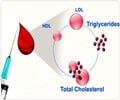
People who took 1 teaspoon (5 g) of black cumin seed powder every day for 8 weeks showed several improvements. Their total cholesterol went down, and their bad cholesterol (LDL) also reduced. They also had a noticeable drop in triglycerides, which are fats found in the blood. Their good cholesterol (HDL) increased slightly as well. In comparison, people who did not take black cumin did not show any improvement.In the lab tests, the
Anti Adipogenic Potential of Black Cumin Seed
The research team examined how the extract affects fat formation in preadipocyte cells. They found that the extract interfered with early fat cell development by limiting the activity of adipogenic transcription factors, which are proteins that tell cells to store fat. This cellular insight helps explain why black cumin has historically been viewed as a metabolic supporting herb.
Home Remedies for Weight Loss
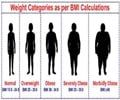
Obesity is a condition where a person has an excess amount of fat in the body, which can lead to diabetes and heart disease. Home remedies offer you simple natural lifestyle changes to lose weight.
Obesity is a condition where a person has an excess amount of fat in the body, which can lead to diabetes and heart disease. Home remedies offer you simple natural lifestyle changes to lose weight.
Cholesterol Benefits and Lipid Profile Improvement
In the human trial, individuals who took black cumin seed powder experienced meaningful improvements in their lipid profile. The increase in HDL, often referred to as the good cholesterol, suggests a potential advantage for heart health. Meanwhile, the control group experienced no notable shifts. These findings indicate that the seed may assist people who are trying to manage unhealthy cholesterol patterns through natural approaches.
Top 10 Ways to Speed up your Metabolism For Weight Loss
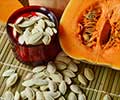
Boosting metabolism is what we need to pump our weight loss regime. Slow body metabolism can be the culprit in a rigorous diet and exercise program.
Boosting metabolism is what we need to pump our weight loss regime. Slow body metabolism can be the culprit in a rigorous diet and exercise program.
Appetite Impact and Safety Findings
The study also monitored appetite changes using a validated questionnaire. Interestingly, participants in the black cumin group showed a slight improvement in appetite scores, with no indicators of decreased hunger or discomfort. Researchers found the supplement to be well tolerated, and no adverse effects were reported during the 8 week period.What This Means for Health-Conscious Readers
While these findings are promising, black cumin seed is not a replacement for medical treatment. However, it may serve as a supportive option for those looking to improve their cholesterol levels or reduce fat accumulation. The study offers an encouraging look at how natural foods can complement healthier living.Small steps often bring the biggest changes. If improving your health feels overwhelming, consider beginning with simple choices that nourish your body.
Reference:
- Black Cumin Seed (Nigella sativa) Confers Anti-Adipogenic Effects in 3T3-L1 Cellular Model and Lipid-Lowering Properties in Human Subjects - (https://onlinelibrary.wiley.com/doi/10.1002/fsn3.70888)
Source-Medindia
 Email
Email