MEDINDIA
 English
 हिन्दी
 Español
 français
 中文
中文
Changes in the intestinal microbiota are specifically associated with primary sclerosing cholangitis, suggested researchers from VIB, UZ Leuven and KU Leuven.
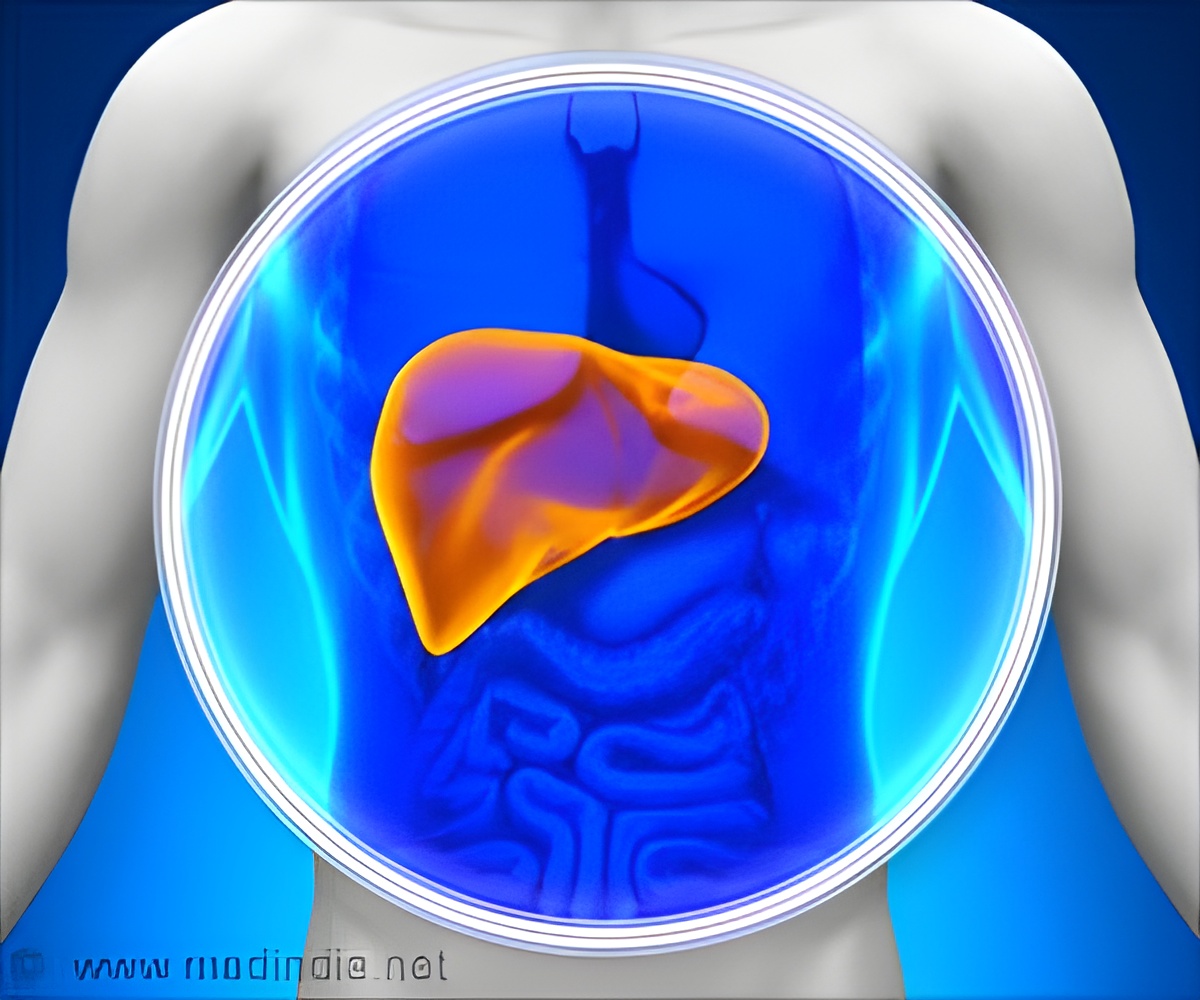

Sclerosing Cholangitis - Types, Causes, Symptoms, Diagnosis, Treatment & Prognosis
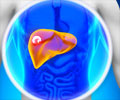
Sclerosing cholangitis is a liver disease characterized by inflammation and scarring of bile ducts within and outside the liver resulting in their constriction.
Sclerosing cholangitis is a liver disease characterized by inflammation and scarring of bile ducts within and outside the liver resulting in their constriction.
TOP INSIGHT

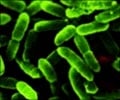
Changes in the intestinal microbiota are specifically associated with primary sclerosing cholangitis, a liver disease with no effective medical treatment.
Prof. Jeroen Raes (VIB/KU Leuven) said, "Using massive DNA sequencing, we compared the gut bacteria in patients with PSC and in healthy people. Based on the differences found, we could develop a signature to diagnose PSC based on gut bacteria. Although very promising, our findings now need to be confirmed before they can be used in clinical practice."
The findings may not only lead to a novel diagnosis tool of PSC, they may also be the starting point for developing microbiota-based therapies. But there is still a long way to go.Prof. Severine Vermeire (KU Leuven/UZ Leuven): "In the future, gut bacteria may be used to help identify PSC patients with a more or less aggressive disease, or patients that may benefit from microbiota-based therapies, such as fecal microbiota transplantation or targeted pre- and probiotics."
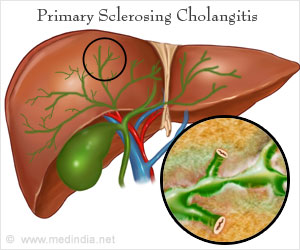
Early Syphilis May Show Signs of Acute Sclerosing Cholangitis
Learn more about early syphilis mimicking acute sclerosing cholangitis.
Learn more about early syphilis mimicking acute sclerosing cholangitis.
Source-Eurekalert
Our Chairs are Slowly Killing Us As Prolonged Sitting Is Linked With Fatty Liver Disease
Our body is designed to move and it is not surprising that sedentary behavior, characterized by low muscle activity, has a direct impact on physiology.
Our body is designed to move and it is not surprising that sedentary behavior, characterized by low muscle activity, has a direct impact on physiology.
Transplant Drug Helpful for Patients With Progressive Liver Disease
The drug, mycophenolate mofetil seems safe and effective in treating autoimmune hepatitis (AIH), indicates a new research.
The drug, mycophenolate mofetil seems safe and effective in treating autoimmune hepatitis (AIH), indicates a new research.
 Email
Email