MEDINDIA
 English
 हिन्दी
 Español
 français
 中文
中文
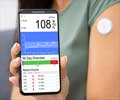
Regularly monitoring glucose levels can help prevent hypoglycaemia in hospitalized patients with coronary artery disease.
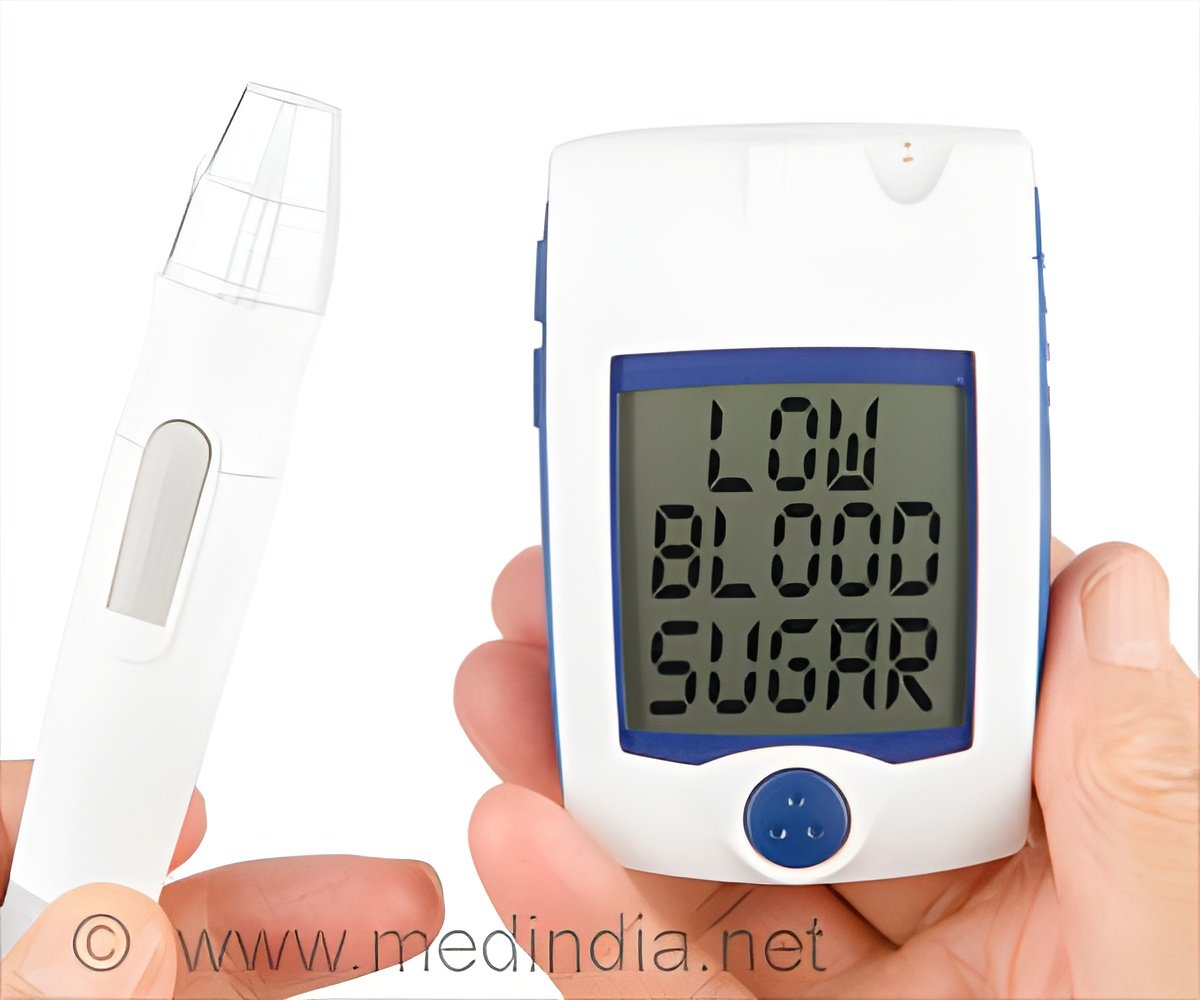

The Global Burden of Hospitalisation for Hypoglycaemia
Hospital admissions for a short-term and avoidable complication of diabetes have risen by 39 percent in the last ten years.
Hospital admissions for a short-term and avoidable complication of diabetes have risen by 39 percent in the last ten years.
TOP INSIGHT

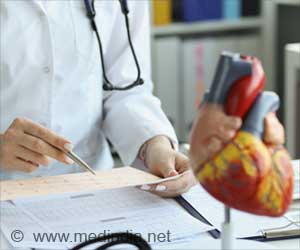
Monitoring blood glucose levels of heart disease patients admitted to the hospital could potentially save lives and decrease length of hospital stay and healthcare costs.
Fang and his colleagues at Mount Sinai used the National Inpatient Sample (NIS) database to conduct a nationwide retrospective cohort study of patients admitted to acute care hospitals in the United States with stable coronary artery disease in 2014.
Of the 1,262,943 patients admitted with stable coronary artery disease that year, about 3,000 (0.24 percent) had an episode of hypoglycemia during their inpatient stay. Compared to patients without hypoglycemia, those with hypoglycemia were more likely to be female (39 percent vs 47 percent, respectively), live in poverty (29 percent vs 34 percent), and have certain features of renal failure (27percent vs 32 percent) and heart failure (20 percent vs 27 percent). But they were less likely to have diabetes (10 percent vs 32 percent).
Hospital Admissions With Hypoglycaemia Cases Increased by 39%
Most hypoglycaemic episodes are generally mild and can be self-treated by eating or drinking glucose tablets, sweets, sugary fizzy drinks or fruit juice.
Most hypoglycaemic episodes are generally mild and can be self-treated by eating or drinking glucose tablets, sweets, sugary fizzy drinks or fruit juice.
After adjustments for age, sex, race, income and clinical factors including diabetes, heart failure and kidney failure, the associations for mortality, length of stay and healthcare costs remained significant.

New �Smart� Glucagon Delivery System
New glucagon delivery system predicts when a hypoglycemic episode is about to occur and sets off alerts that and can automate glucagon delivery.
New glucagon delivery system predicts when a hypoglycemic episode is about to occur and sets off alerts that and can automate glucagon delivery.
Source-Eurekalert

Dextrose Gel Reduces Risk of Low Blood Sugar in Newborns
Nearly one in three infants is at risk for neonatal hypoglycaemia (low blood sugar levels), which raise a baby's risk of impaired nervous system development.
Nearly one in three infants is at risk for neonatal hypoglycaemia (low blood sugar levels), which raise a baby's risk of impaired nervous system development.
 Email
Email