MEDINDIA
 English
 हिन्दी
 Español
 français
 中文
中文
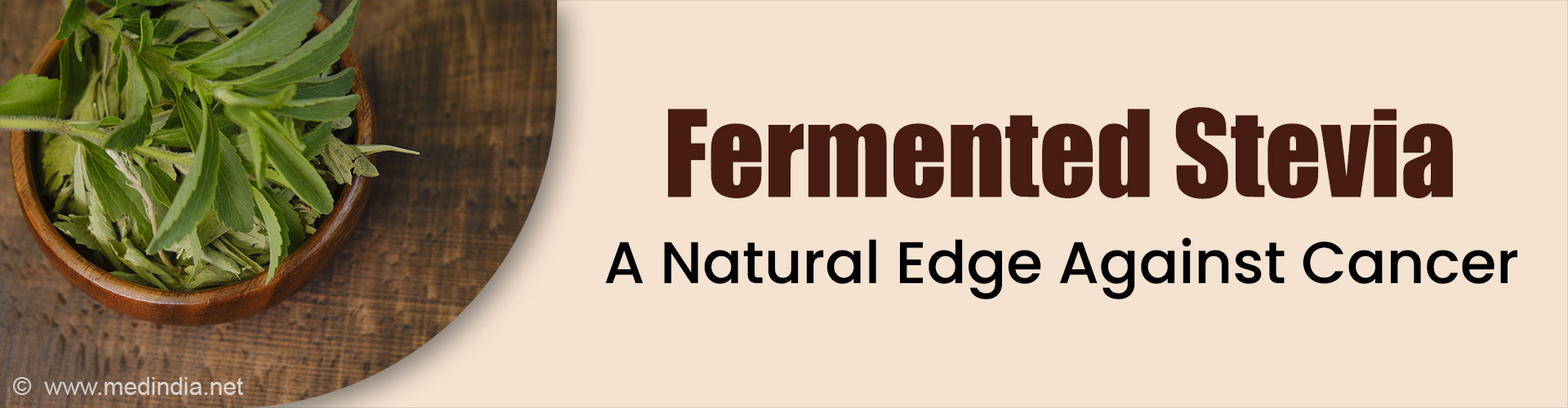
Fermented stevia extract, powered by probiotics, shows promising anticancer effects against pancreatic cancer cells, offering a potential plant-based therapy.
Highlights:
A surprising new discovery from Japan, published in the International Journal of Molecular Sciences, is turning a kitchen staple into a potential anticancer ally. Scientists have found that stevia leaf extract, when fermented with a special probiotic strain Lactobacillus plantarum SN13T (extracted from banana leaves) exhibits powerful effects against pancreatic cancer cells in laboratory settings (1✔ ✔Trusted Source- Fermented stevia extract reduced pancreatic cancer cell growth in lab studies
- Probiotic strain SN13T activated genes that trigger cell death
- Plant-probiotic therapies may become a new frontier in cancer care
Stevia Leaf Extract Fermented with Plant-Derived Lactobacillus plantarum SN13T Displays Anticancer Activity to Pancreatic Cancer PANC-1 Cell Line
Go to source). Stevia is a natural, plant-based sweetener derived from the leaves of Stevia rebaudiana, a shrub native to South America. Known for its intense sweetness—up to 300 times sweeter than sugar—stevia contains zero calories and has little to no impact on blood glucose levels, making it a popular alternative for people with diabetes or those managing their weight. Its active compounds, called steviol glycosides, are responsible for its sweet taste and are approved for use in many countries as a safe sugar substitute.
Health Benefits of Stevia
Stevia is a natural sweetener extracted from a native South American plant. There are some possible stevia health benefits but most of all it is great for those watching their weight.
Stevia is a natural sweetener extracted from a native South American plant. There are some possible stevia health benefits but most of all it is great for those watching their weight.
TOP INSIGHT

Did You Know?
Stevia leaf extract, when fermented, showed the ability to kill pancreatic cancer cells. #fermentedstevia #cancerresearch #pancreaticcancer #medindia
Fermented Stevia Fights Pancreatic Cancer
In this in-vitro study, researchers observed that fermented stevia extract led to a significant reduction in the viability of human pancreatic cancer cells (PANC-1). The extract was able to induce apoptosis (programmed cell death) in the cancer cells, and suppress colony formation and reduce the number of surviving cancer cells. The fermented version showed far greater efficacy than the unfermented stevia extract, which highlighted the unique role of probiotic fermentation in enhancing the anticancer properties of natural plant compounds.
Artificial Sweeteners | Sugar Substitutes: Types & Benefits
Artificial Sweetener is a sugar substitute with fewer or no calories. High-intensity sweeteners are many times sweeter than sucrose.
Artificial Sweetener is a sugar substitute with fewer or no calories. High-intensity sweeteners are many times sweeter than sucrose.
How Stevia Fermentation Affects Cancer Cells
Researchers noted that the fermented extract interferes with critical cancer cell functions. It activates genes that are known to drive apoptosis, leading to irreversible DNA damage in the cancer cells. Under a microscope, treated cells showed features of cell death, including shrinkage, nuclear fragmentation, and chromatin condensation.Notably, this action was achieved without the use of synthetic chemicals, marking a shift toward plant-based therapeutic strategies. The fermentation process appears to enhance bioactive compounds in stevia that would otherwise be inactive or less potent.
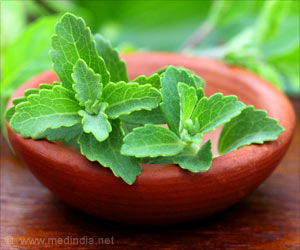
Naturally Sweet Stevia Better Than Sugar for A Healthier Lifestyle
Our hectic lifestyles put us at risk of leading an unhealthy lifestyle resulting in damage to our general well-being. Stevia seems to be nature’s gift to processed high calories and sugar.
Our hectic lifestyles put us at risk of leading an unhealthy lifestyle resulting in damage to our general well-being. Stevia seems to be nature’s gift to processed high calories and sugar.
Probiotic Lactobacillus Boosts Anticancer Activity
The key to this breakthrough lies in Lactobacillus plantarum SN13T, a plant-derived probiotic strain previously known for gut health. During fermentation, this microbe seems to convert stevia’s naturally occurring compounds into more biologically active forms.This adds to growing evidence that probiotic metabolism may unlock hidden medicinal properties in dietary plants. The dual action of a sweet plant and a friendly bacterium makes this an appealing, low-risk approach for further investigation, particularly for diseases with limited treatment options like pancreatic cancer.

Quiz on Artificial Sweeteners
With better and safe non caloric sweeteners coming in the market day by day, it has now become possible for people to consume any sweet food /beverage without a compromise on ...
With better and safe non caloric sweeteners coming in the market day by day, it has now become possible for people to consume any sweet food /beverage without a compromise on ...
Natural Cancer Therapy with Fewer Side Effects
Although this was a laboratory study, the findings hold potential for developing functional foods or nutraceuticals that could assist in cancer prevention or management. Pancreatic cancer is notoriously hard to treat and carries a poor prognosis, so safe and accessible therapies are urgently needed.Unlike chemotherapy drugs that come with serious side effects, a fermented botanical compound might offer a gentler, more holistic way to complement conventional treatments. However, clinical trials in humans will be necessary to confirm its safety and effectiveness outside the lab.
Biotransformed Stevia Supports Microbiome Health
This study adds to a growing body of research positioning stevia as more than just a calorie-free sweetener. In its fermented form, it may be part of a future category of foods that support cellular health, balance the gut microbiome, and even contribute to disease resistance.It also underscores the importance of biotransformation, using microbes to unlock medicinal potential hidden in everyday plants. As science continues to explore the relationship between diet, microbes, and chronic disease, this innovation could open doors to plant-probiotic therapies for multiple conditions beyond cancer.
Food-Based Innovations for Future Therapies
While the lab results are still early-stage, this study offers a glimpse into a future where the foods we ferment could help rewire disease pathways. By bridging plant compounds and microbial intelligence, fermented stevia may pave the way for a new class of gentle, accessible, and food-based interventions in chronic illness, especially where conventional medicine hits a wall.Rethink what you eat; choose ingredients that love you back. Your next meal might hold more power than medicine ever could.
Reference:
- Stevia Leaf Extract Fermented with Plant-Derived Lactobacillus plantarum SN13T Displays Anticancer Activity to Pancreatic Cancer PANC-1 Cell Line - (https://www.mdpi.com/1422-0067/26/9/4186)
Source-Medindia
 Email
Email