MEDINDIA
 English
 हिन्दी
 Español
 français
 中文
中文
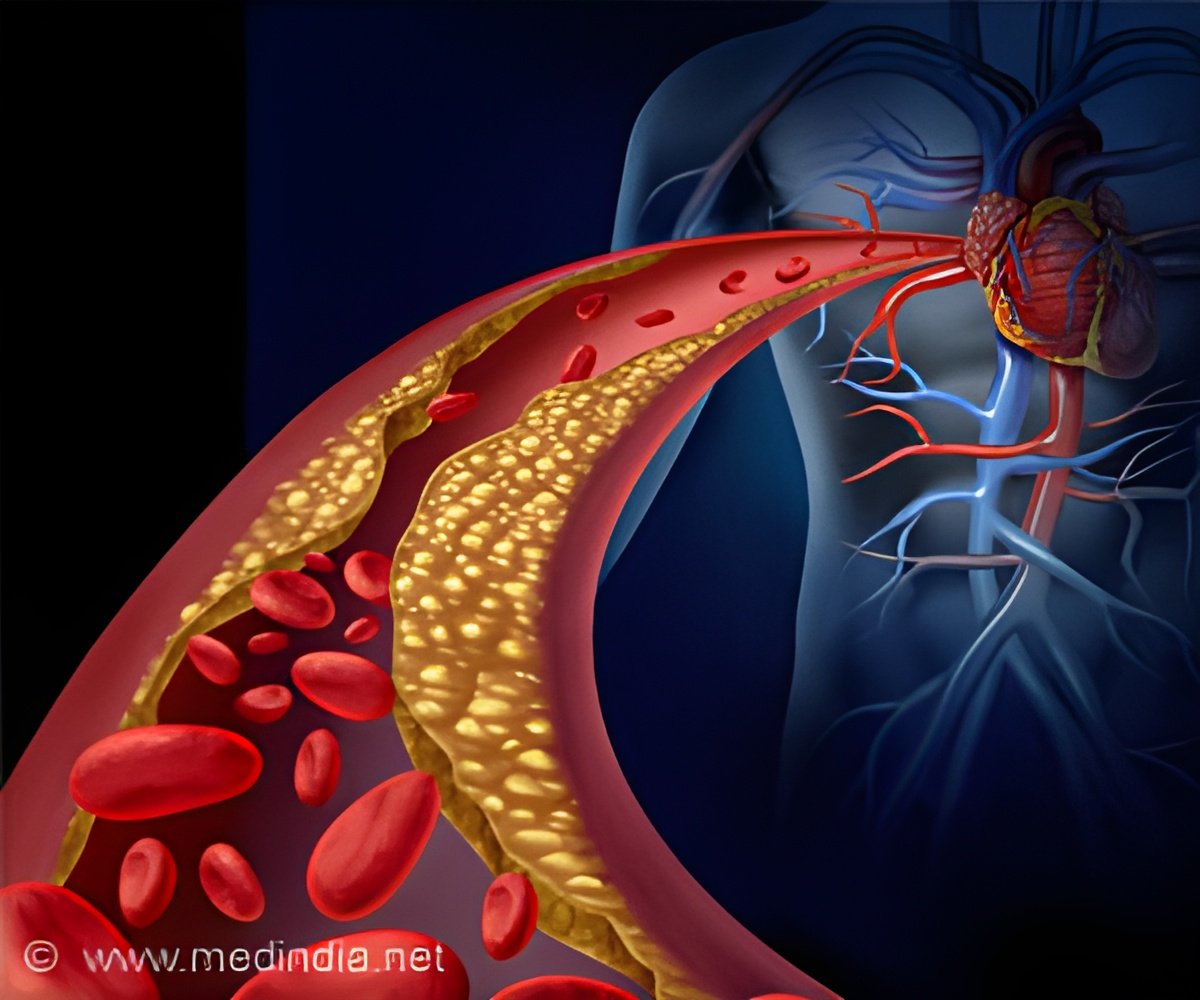
Perivascular adipose tissue (PVAT) found around arteries may play an essential role in keeping those blood vessels healthy by assisting arterial stress relaxation, reports a new study.

Lifestyle Paths to Prevent Heart Disease
Heart disease can be of many types depending upon whether they involve the heart muscles or artery walls or heart beats. Bad lifestyle choices contribute to heart disease.
Heart disease can be of many types depending upon whether they involve the heart muscles or artery walls or heart beats. Bad lifestyle choices contribute to heart disease.
TOP INSIGHT

The fat, known as perivascular adipose tissue, or PVAT, helps arteries do "stress relax," or let go of muscular tension while under constant strain.
What made the finding so exciting, Watts said, whose study was recently published in the journal Scientific Reports, is that PVAT has largely been ignored by researchers who have thought its main job was to store lipids and do little more. Now her findings, built on previous results, could help redefine the way scientists view blood vessels.
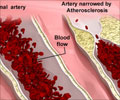
Right now, scientists only divide blood vessels into three parts; the innermost layer called the tunica intima, the middle layer called the tunica media and the outermost layer called the tunica adventitia.
Olive Oil and Its Benefits - Heart-Weight Loss-Osteoporosis-Skin-Tips to Use
The anti-inflammatory and anti-oxidant properties are responsible for the health benefits of olive oil.
The anti-inflammatory and anti-oxidant properties are responsible for the health benefits of olive oil.
"For years, we ignored this layer - in the lab, it was thrown out; in the clinic, it wasn't imaged. But now we're discovering it may be integral to our blood vessels," Watts said. "Our finding redefines what the functional blood vessels are and is part of what can be dysfunctional in diseases that afflict us, including hypertension. We need to pay attention to this layer of a blood vessel because it does far more than we originally thought."

Tips to Prevent Heart Attacks
Heart Attack occurs when the flow of oxygenated blood to heart muscles is hindered or stopped due to built-up of plaques in coronary arteries. Heart Attack is the No.1 killer among Indians.
Heart Attack occurs when the flow of oxygenated blood to heart muscles is hindered or stopped due to built-up of plaques in coronary arteries. Heart Attack is the No.1 killer among Indians.
But Watts and her colleagues wanted to test whether PVAT itself, rather than the substances it secretes, might play a role in how blood vessels perform. So, they decided to test whether PVAT provides a structural benefit to arteries by assisting the function of stress relaxation.

Top 8 Tips for Heart-Healthy Eating
Eating right goes a long way in preventing heart ailments. The key is to have low-fat, low sodium, high fiber foods and foods that are rich in omega-3 content.
Eating right goes a long way in preventing heart ailments. The key is to have low-fat, low sodium, high fiber foods and foods that are rich in omega-3 content.
"My mind was blown," Watts said when she saw that the pieces with surrounding fat had measurably relaxed more than those without. "I made every single person in my lab come and look, and I asked, 'Tell me if I'm hallucinating...do you think this is real?'"
Watts and her colleagues also tested other arteries and were able to duplicate the same response.
"So, this tells us, it's not just a one-off," Watts said. "It's not something you see only in this particular vessel or this particular species or this particular strain. But that maybe it's a general phenomenon."
Source-Eurekalert
 Email
Email