MEDINDIA
 English
 हिन्दी
 Español
 français
 中文
中文
Drug-resistant genes are shared among bacteria in hospitals via plasmids and other mobile genetic elements. This demonstrates the importance of whole genome sequencing in investigating healthcare-associated infections (HAI) outbreaks.

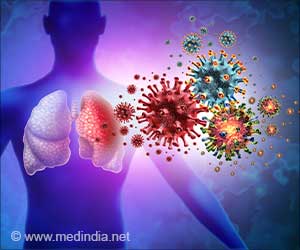
Drug Resistance – Antibiotic or Antimicrobial Resistance
Drug resistance is often a problem in malaria, tuberculosis, HIV, sexually transmitted diseases and hospital acquired diseases. Judicious use of antibiotics can control the problem.
Drug resistance is often a problem in malaria, tuberculosis, HIV, sexually transmitted diseases and hospital acquired diseases. Judicious use of antibiotics can control the problem.
TOP INSIGHT

It has been found that drug-resistant genes are shared among bacteria in hospitals and a whole genome sequencing is essential in investigating healthcare-associated infections (HAI) outbreaks.
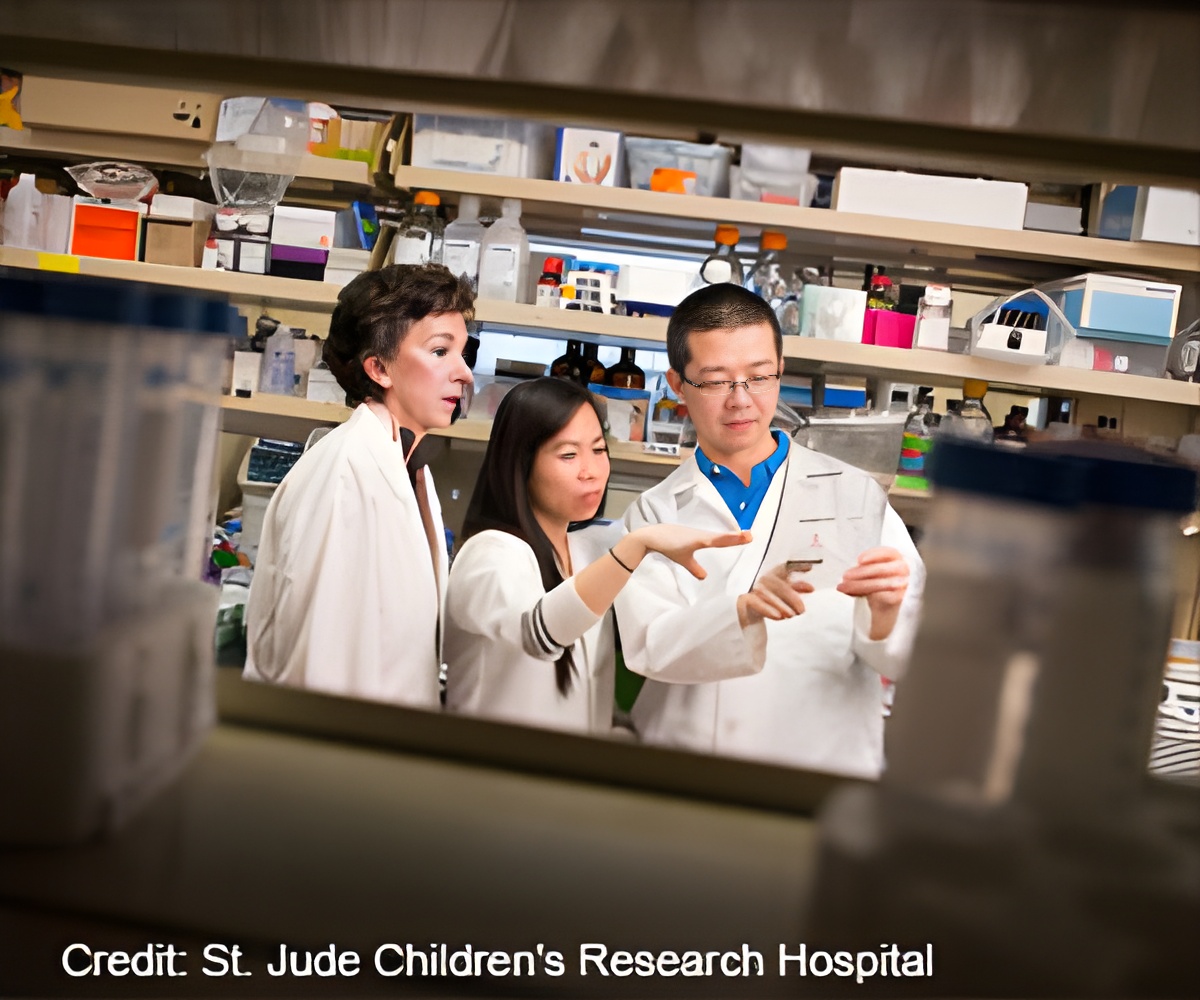
"This demonstrates the important role whole genome sequencing can play in investigating healthcare-associated infections (HAI) outbreaks," said Richard Stanton, "This outbreak shows us how drug resistance genes can be shared among otherwise unrelated bacteria co-existing in a patient's microbial community or in the environment." This in turn may require expanding infection control and detection efforts to include multiple strains and species to halt the outbreak.
The bacteria involved in this outbreak included Klebsiella pneumonia and Escherichia coli, two species of bacteria that can cause a variety of healthcare-associated infections, including pneumonia, bloodstream infections, surgical site infections, and meningitis. Treatment of the infections in these outbreaks was complicated due to the presence of carbapenemase genes in the bacteria, of which two major variants of the Klebsiella pneumonia Carbapenemase (KPC) gene (KPC-2 and KPC-3) were found.

Hospital Acquired Infections | Nosocomial Infections - Types, Causes, Symptoms, Risk Factors, Diagnosis, Treatment and Prevention
Hospital acquired infections (HAI) are acquired by patients and health personnel alike in a hospital setting. HAI can be life-threatening and need to be promptly diagnosed and treated. Major causes are bacteria, with fungi and viruses playing a lesser role.
Hospital acquired infections (HAI) are acquired by patients and health personnel alike in a hospital setting. HAI can be life-threatening and need to be promptly diagnosed and treated. Major causes are bacteria, with fungi and viruses playing a lesser role.
"Due in part to this finding, HAI investigations now include a broader scope to look not just for single species causing infections, but also for plasmids spreading drug resistance across multiple types of bacteria," said Dr. Stanton. Infection control efforts also focus on areas where plasmid sharing is likely to occur in the healthcare environment, such as in sinks and drains.

Bacteremia - Causes, Symptoms, Diagnosis, Treatment, Prevention
Bacteremia is the presence of viable bacteria in the bloodstream. Blood cultures are used in diagnosis and antibiotics are used to treat bacteremia.
Bacteremia is the presence of viable bacteria in the bloodstream. Blood cultures are used in diagnosis and antibiotics are used to treat bacteremia.
This work was made possible through CDC's investments to Combat Antibiotic Resistant Bacteria and the Advanced Molecular Detection Program at CDC. A poster highlighting this work will be presented by Richard Stanton at the ASM Microbe 2018 conference in Atlanta, GA on June 10th from 12:45 - 2:45 PM, as part of Session 420 - Infection Prevention and Control: Drug-Resistant Pathogens in Hospitals.
Awareness about Healthcare Insurance in India
A basic awareness about Indian health insurance for any layman for quick reference presented in a crisp format.
A basic awareness about Indian health insurance for any layman for quick reference presented in a crisp format.
 Email
Email