MEDINDIA
 English
 हिन्दी
 Español
 français
 中文
中文

Schisandrin A shows promise in preventing artery spasms that can lead to heart attacks.
Highlights:
A centuries-old herbal ingredient could offer a new way to protect the heart. Scientists in Japan have identified schisandrin A, a natural compound found in the fruit of Schisandra chinensis, as a promising agent for preventing dangerous spasms in the arteries that supply blood to the heart. The study, published in the Journal of Pharmacological Sciences, sheds light on how this compound may help reduce heart attack risk (1✔ ✔Trusted Source- Schisandrin A may block key calcium channels that trigger spasms
- Lab tests show the compound relaxes coronary arteries
- Linked to Shengmai San, used in Traditional Chinese Medicine for centuries
Inhibitory effects of schisandrin A on contractions induced by spasmogenic candidates in porcine coronary arteries
Go to source).

Heart Attack | Heart Attack-Know How | Heart Attack
Heart attack is the death of the heart muscle due to loss of blood supply. Heart disease is the leading cause of death in the United States. Other names for heart attack include acute myocardial infarction, coronary thrombosis, and coronary occlusion.
Heart attack is the death of the heart muscle due to loss of blood supply. Heart disease is the leading cause of death in the United States. Other names for heart attack include acute myocardial infarction, coronary thrombosis, and coronary occlusion.
TOP INSIGHT

Did You Know?
Could a traditional herb hold the key to calming sudden heart spasms? Schisandrin A, a compound from Schisandra, may help regulate heart rhythms naturally. #hearthealth #chinesemedicine #heartdisease #herbalremedies #medindia
A Closer Look at the Findings
In lab studies using pig coronary arteries, researchers found that schisandrin A significantly reduced artery contractions caused by various chemicals like acetylcholine, histamine, and serotonin. These chemicals are known to trigger coronary artery spasms, a condition where arteries suddenly tighten, reducing blood flow to the heart. This can cause chest pain or even lead to heart attacks, especially in people without obvious blockages in their arteries.The compound works by blocking L-type calcium channels in the artery wall. These channels normally allow calcium into muscle cells, which then causes the artery to contract. By blocking this calcium flow, schisandrin A helps the arteries stay relaxed. The compound also showed mild ability to block nerve signals that can trigger these contractions, adding to its overall calming effect on blood vessels.
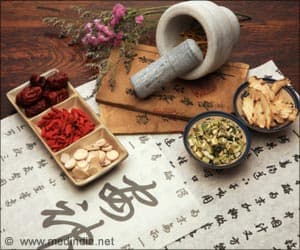
Can Traditional Chinese Medicine Qiliqiangxin Benefit Heart Failure Patients?
Qiliqiangxin, a traditional Chinese medication, lowers cardiovascular death and hospitalization in heart failure patients.
Qiliqiangxin, a traditional Chinese medication, lowers cardiovascular death and hospitalization in heart failure patients.
What Are Coronary Artery Spasms?
Coronary artery spasms are often overlooked, but they are a serious cardiovascular risk. Unlike traditional heart attacks caused by plaque buildup, spasms involve a sudden narrowing of the artery that can occur without warning. These spasms can be triggered by smoking, stress, or even medications and are more common in younger individuals and women.Because they are not always linked to clogged arteries, they can go undiagnosed until they cause severe consequences. That’s what makes preventive strategies, like the one suggested by this study, so valuable.

Quiz on Heart Attack
The risk factors that work behind the scene before a heart attack are familiar to many. But do you realize the extent to which your lifestyle choices are putting your life at risk? Can you identify a heart attack when it occurs? Take our quiz ...
The risk factors that work behind the scene before a heart attack are familiar to many. But do you realize the extent to which your lifestyle choices are putting your life at risk? Can you identify a heart attack when it occurs? Take our quiz ...
A Link to Traditional Chinese Medicine
The compound at the center of the research, schisandrin A, comes from Schisandra chinensis, a berry used in Traditional Chinese Medicine for over 700 years. It is a primary component of a well-known herbal formula called Shengmai San, which is traditionally prescribed to support heart health and overall vitality.While Shengmai San has been popular in Eastern medicine for generations, this new research sheds light on how one of its ingredients works at a molecular level. It shows that the heart benefits of this herbal formula might not be just anecdotal or symbolic, but could have a real biological basis.

Chinese Medicine May Help Treat Blood Pressure, Reduce Risk of Heart Disease
Traditional Chinese medicine might be effective as an alternative to traditional Western medicine for primary and secondary prevention of heart disease.
Traditional Chinese medicine might be effective as an alternative to traditional Western medicine for primary and secondary prevention of heart disease.
Toward Future Treatments
The concentrations of schisandrin A used in the lab were higher than what you’d get from drinking a tea or taking a pill. However, injectable forms of Shengmai San, already used in parts of Asia, might deliver enough of the compound to be effective. This opens up exciting possibilities for future research into natural alternatives for managing heart disease risk.The researchers believe schisandrin A could serve as a preventative option for people prone to artery spasms, such as those with a history of chemically triggered angina or sudden vascular events.
This study doesn’t claim to replace existing medications but adds a new candidate to the list of potential therapies. The path from lab bench to patient care is long, but schisandrin A may already have a head start thanks to centuries of traditional use.
Why It Matters
Most discussions around heart disease focus on clogged arteries and lifestyle changes. But vascular spasms are a hidden threat. They can affect people with no signs of cholesterol buildup or visible heart disease, making them unpredictable and harder to prevent.By identifying a naturally derived compound that targets the root cause of these spasms, researchers may be opening the door to safer and more accessible options for people who need them.
What also stands out is the intersection of traditional and modern medicine. Rather than dismiss herbal remedies as outdated or unscientific, this study builds on historical knowledge and tests it in a controlled, clinical setting. That’s the kind of balanced approach that can lead to real progress in healthcare.
As heart disease continues to be the leading cause of death worldwide, innovative ideas are more necessary than ever. Whether from a high-tech lab or an ancient herbal text, any solution that can reduce the risk of life-threatening events is worth exploring.
If centuries-old wisdom and cutting-edge science can come together to save lives, it’s time we start listening to both.
Reference:
- Inhibitory effects of schisandrin A on contractions induced by spasmogenic candidates in porcine coronary arteries - (https://www.sciencedirect.com/science/article/pii/S1347861325000611?)
Source-Medindia
 Email
Email