MEDINDIA
 English
 हिन्दी
 Español
 français
 中文
中文
New research finds that continuous glucose monitors (CGMs) don’t accurately reflect long-term blood sugar control in non-diabetic individuals.
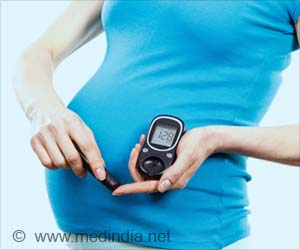
For People Without Diabetes, Continuous Glucose Monitors May Not Accurately Reflect Blood Sugar Control
Go to source)?
Continuous Glucose Monitoring (CGM)
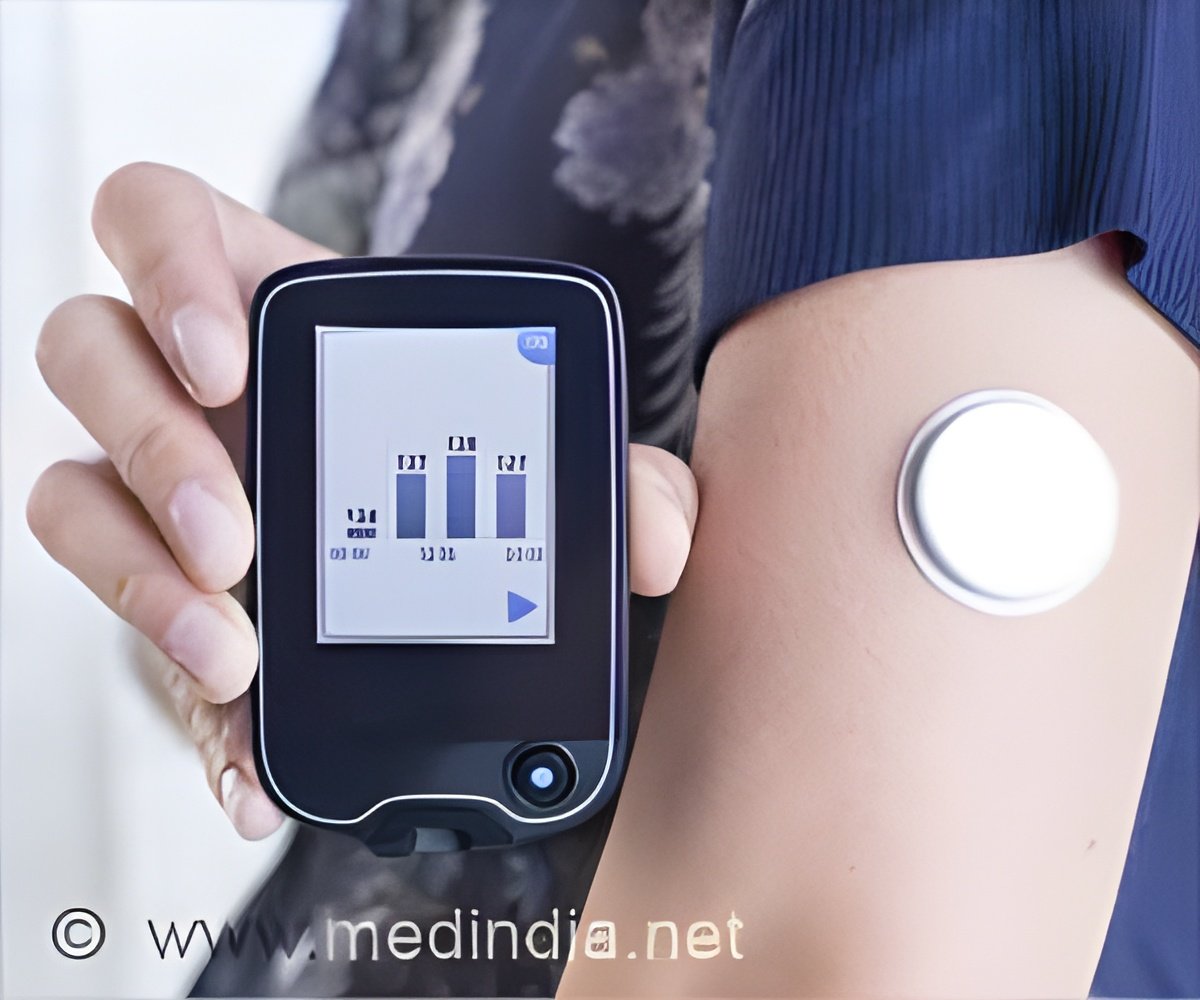
A continuous glucose monitor is an automated device to measure blood glucose levels seamlessly throughout the day and night to offer better diabetes management.
A continuous glucose monitor is an automated device to measure blood glucose levels seamlessly throughout the day and night to offer better diabetes management.
TOP INSIGHT

Did You Know?
CGMs are smart for tracking sugar swings—but not a substitute for HbA1c in healthy individuals.#CGM #glucosemonitoring #diabetes #medindia
The Mass General Brigham Study of Continuous Glucose Monitors
A new study from Mass General Brigham shows that continuous glucose monitors (CGMs) are effective for tracking blood sugar in people with diabetes; however, their readings don’t align with the standard haemoglobin A1c (HbA1c) test in individuals with prediabetes or normal blood sugar levels. Researchers analysed data from 972 adult participants—including those with type 2 diabetes (421 participants), prediabetes (319 participants), and those within normal ranges (232 participants). They were asked to wear Dexcom G6 sensors that measured their blood sugar every five minutes for up to 10 days.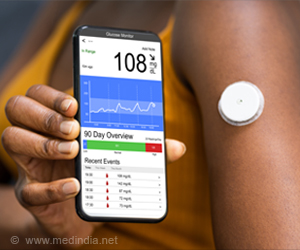
Continuous Glucose Monitoring (CGM): Say "NO" to Painful Needle Pricks
Are you a Diabetic who is tired of multiple finger pricks to keep blood sugar levels in check? Continuous Blood Glucose monitoring might be your savior on this journey of diabetes.
Are you a Diabetic who is tired of multiple finger pricks to keep blood sugar levels in check? Continuous Blood Glucose monitoring might be your savior on this journey of diabetes.
Role of Continuous Glucose Monitors For Non-Diabetic Individuals
The findings indicated that CGM levels, particularly at an average glucose level, were strongly correlated with HbA1c in individuals with type 2 diabetes, moderately correlated in individuals with prediabetes, and not significantly correlated in individuals with normal blood sugar in the blood. It implies that CGMs are useful in the management of diabetes, but they cannot be treated as a replacement for HbA1c tests in non-diabetic individuals because there is no positive correlation when one is non-diabetic.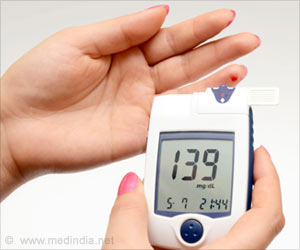
Continuous Glucose Monitors Reduce Incidence of Hypoglycemia
Hypoglycemia or low blood sugar levels can be controlled in type 1 diabetic patients with Continuous Glucose Monitors(CGM).
Hypoglycemia or low blood sugar levels can be controlled in type 1 diabetic patients with Continuous Glucose Monitors(CGM).
Continuous Glucose Monitors Are Not A Substitute For HBA1C
CGMs are a game-changer for diabetes care, but not a shortcut to track long-term blood sugar health in everyone. If you don’t have diabetes, they may give useful insights into daily habits—but they can’t replace a doctor’s check-up or standard tests.said Dr Jorge A. Rodriguez, the study's lead author.
Reference:
- For People Without Diabetes, Continuous Glucose Monitors May Not Accurately Reflect Blood Sugar Control - (https://www.massgeneralbrigham.org/en/about/newsroom/press-releases/continuous-glucose-monitoring-for-people-without-diabetes)
Source-Mass General Brigham

Continuous Glucose Monitors Recommended for Type 1 Diabetes Patients
Endocrine Society publishes Clinical Practice Guideline evaluating technologies for treating diabetes.
Endocrine Society publishes Clinical Practice Guideline evaluating technologies for treating diabetes.
 Email
Email