MEDINDIA
 English
 हिन्दी
 Español
 français
 中文
中文
European populations are growing older on average, and this could pose serious challenges to health care, budgets, and economic growth.

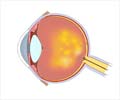
Age Related Macular Degeneration (AMD) - Causes, Symptoms, Diagnosis, Treatment & Prevention
Age related macular degeneration is a disease of the elderly, wherein the macula or the central part of the retina gets affected, leading to loss of vision.
Age related macular degeneration is a disease of the elderly, wherein the macula or the central part of the retina gets affected, leading to loss of vision.
It allowed us to find out that education was the cause of better cognitive function, and not a simple correlation,"", says Winter-Ebmer. Furthermore, the study finds evidence for a protective effect of schooling for the brain: more education slows cognitive decline. The researchers say that education can be an important measure for maintaining cognitive functioning and protecting against cognitive decline, thereby alleviating the challenges that population aging would otherwise present.
Source-Eurekalert
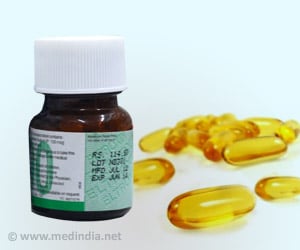
Fish Oil Supplements May Not Prevent Blindness: NIH Study
Fish oil pills are believed to prevent macular degeneration, instead a diet rich in fruits, vegetables, meat and whole grains can improve your vision.
Fish oil pills are believed to prevent macular degeneration, instead a diet rich in fruits, vegetables, meat and whole grains can improve your vision.

Top Ten Facts About Senior Health
Interesting Facts about Senior Health or elderly world population that will make up 18% of the world population by 2025
Interesting Facts about Senior Health or elderly world population that will make up 18% of the world population by 2025

Top Foods for Strong Bones
As we get older, our bones start becoming weak, especially in women after menopause. To keep your bones strong, here is the list of recommended top foods.
As we get older, our bones start becoming weak, especially in women after menopause. To keep your bones strong, here is the list of recommended top foods.
 Email
Email