MEDINDIA
 English
 हिन्दी
 Español
 français
 中文
中文
Initiation of early treatment in HIV-infected infants shows an undeniable clinical benefit by reducing the risk of death in early childhood.
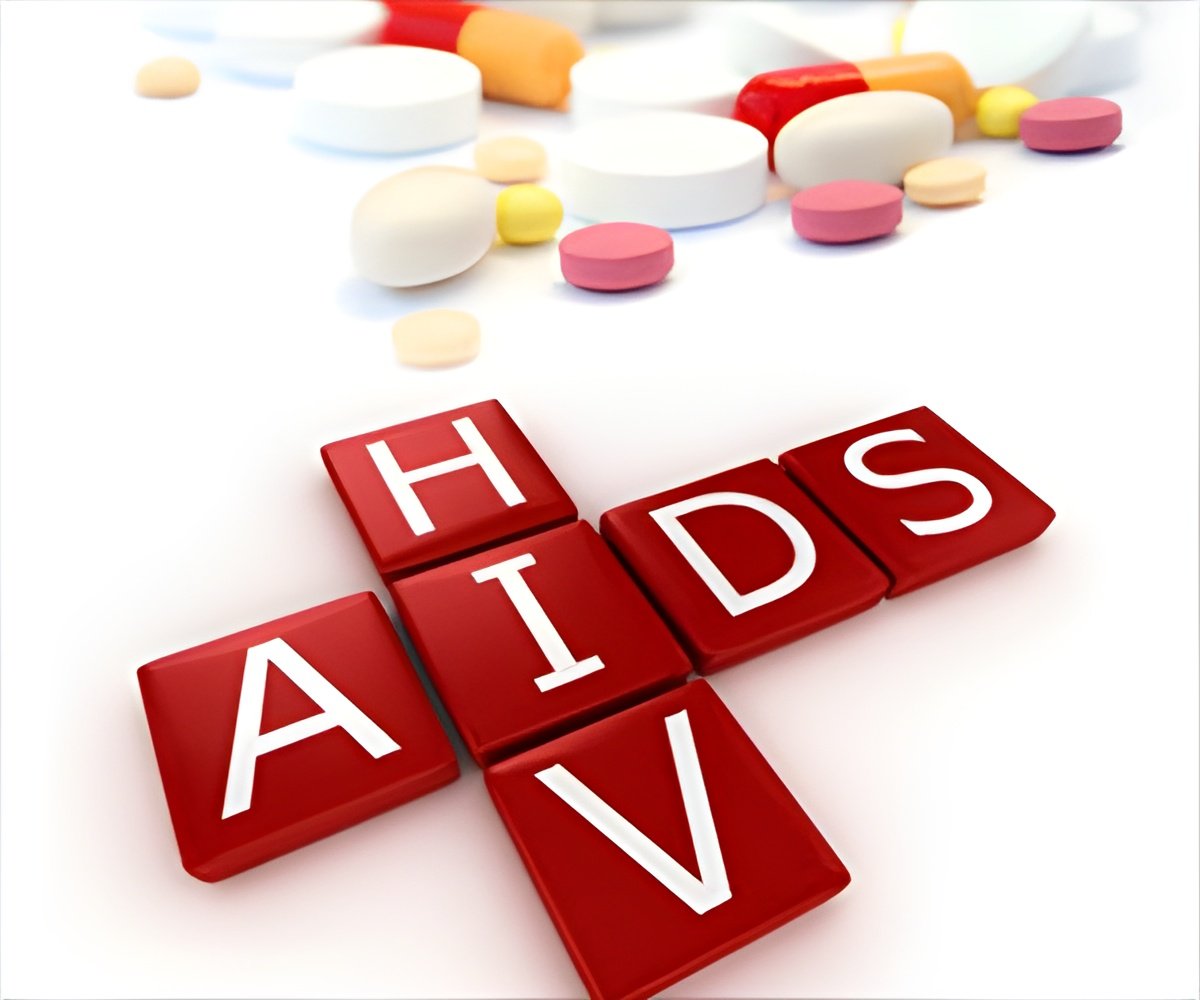
About AIDS/HIV - Prevention And Transmission
Encyclopedia section of medindia explains in brief about the prevention for AIDS/HIV
Encyclopedia section of medindia explains in brief about the prevention for AIDS/HIV
TOP INSIGHT

Without treatment, an HIV-infected child is at greater risk of disease progression to AIDS than an adult.
This physiopathological study included 46 children (from five to 12 years old) and 30 adolescents (from 13 to 18 years old) living with HIV since birth. Among them, 36 started antiretroviral therapy before the age of six months and 40 after the age of two years. All achieved virologic success. Researchers examined participants' blood samples, defined their immunological and virological status and analysed the results according to their age at the time of the study and the age at which they started treatment.
First of all, the ANRS CLEAC team assessed the viral reservoir and observed that the viral ADN level was significantly lower in children and adolescents who started their treatment before the age of six months compared with those who started treatment after the age of two years. This lower viral reservoir also persists in early-treated adolescents, even though some of them take their medication less regularly.

Quiz on HIV / AIDS
Statistics tell us that the world HIV+ population has risen drastically from 8 million in 1990 to a whopping 33 million in 2007! Even more alarming is the fact that young people (below the age of 25) account for half of these infections! This is adequate proof for the lack of awareness among the general public even in these modern times. So take our quiz and brush up on the essential facts of HIV/AIDS.
There are 10 questions on HIV / AIDS in this quiz that will explore the depth of your knowledge and provide answers to the following:
Statistics tell us that the world HIV+ population has risen drastically from 8 million in 1990 to a whopping 33 million in 2007! Even more alarming is the fact that young people (below the age of 25) account for half of these infections! This is adequate proof for the lack of awareness among the general public even in these modern times. So take our quiz and brush up on the essential facts of HIV/AIDS.
There are 10 questions on HIV / AIDS in this quiz that will explore the depth of your knowledge and provide answers to the following:
- Immune control of HIV ()
- Symptoms of HIV/AIDS ()
- Cure for AIDS ()
- Acute HIV syndrome ()
- World AIDS day ()
- Western blot ()

Source-Eurekalert
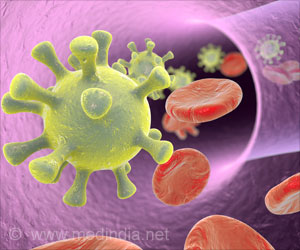
UNAIDS Urges Countries to Tackle HIV Prevention Crisis Boldly
The Joint United Nations Program on HIV/AIDS (UNAIDS) at the ongoing 22nd International AIDS Conference has urged countries to take bold action to address the HIV prevention crisis.
The Joint United Nations Program on HIV/AIDS (UNAIDS) at the ongoing 22nd International AIDS Conference has urged countries to take bold action to address the HIV prevention crisis.
 Email
Email