MEDINDIA
 English
 हिन्दी
 Español
 français
 中文
中文
Smart insulin pumps may cost more—but they give type 1 diabetics better control and longer, healthier lives.

Long-term health economic evaluation of automated insulin delivery system compared with continuous subcutaneous insulin infusion pumps and CGM in a real-world setting in Finnish paediatric and adult individuals with type 1 diabetes
Go to source).

New Protein Biomarker Found for Diagnosing Type 1 Diabetes
Type 1 diabetes in children can be predicted by the presence of certain blood proteins.
Type 1 diabetes in children can be predicted by the presence of certain blood proteins.
TOP INSIGHT

Did You Know?
Using a smart insulin pump can give people with type 1 diabetes over 2 extra years of healthier life—not just longer, but better!
#medindia #diabetes #healthtech #clinicaltrials #insulinpumps
Finland’s Diabetes Burden: Why It Matters
Type 1 diabetes affects nearly 50,000 Finns, making it a major public health concern. Managing this lifelong condition is challenging and expensive, especially in young people. The high rate of diabetes in Finland has pushed researchers to explore smarter, more efficient treatment options—and that’s where automated insulin delivery systems come in.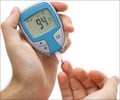
HbA1c or A1c Calculator for Blood Glucose
HbA1c calculator calculates average plasma and whole blood glucose levels. A1c test tells your average blood sugar level in the past 3 months and helps check whether your diabetes is in control.
HbA1c calculator calculates average plasma and whole blood glucose levels. A1c test tells your average blood sugar level in the past 3 months and helps check whether your diabetes is in control.
Not Just High-Tech—High Impact
Automated insulin delivery (AID) systems do more than just look modern—they monitor blood sugar and adjust insulin levels automatically, offering smoother control than traditional pumps. In this study, AID users saw an average improvement of 3.3% in HbA1c levels, a critical marker of diabetes control. That means fewer highs, fewer lows, and better overall health.
Type 1 Diabetes: From Cause to Treatment
An overview of type 1 diabetes, its contributing factors, management and adopting a healthy lifestyle to cope with it.
An overview of type 1 diabetes, its contributing factors, management and adopting a healthy lifestyle to cope with it.
Living Longer, Living Better
The most powerful finding? AID users gained an average of 2.3 more quality-adjusted life years (QALYs). These extra years come from lower risks of complications like kidney damage, eye disease, and hospitalizations. For people living with type 1 diabetes, it’s not just about living longer—it’s about living better.
Tips to Tackle Type 1 Diabetes During Summer Break
During summer break it is important for parents and children with type 1 diabetes to stick to an eating and sleeping schedule.
During summer break it is important for parents and children with type 1 diabetes to stick to an eating and sleeping schedule.
The Cost Question: Worth Every Euro
While AID systems are more expensive upfront—€26,076 more than traditional treatments—they are surprisingly cost-effective over time. The incremental cost-effectiveness ratio (ICER) of €11,184 per QALY falls far below Finland’s accepted threshold of €50,000, proving that investing in better technology pays off in health and savings.A First for Finland—and a Step Toward Smarter Care
This is the first real-world cost-effectiveness study of AID in Finland, offering concrete evidence for healthcare planners and insurance providers. With results this strong, the message is clear: automated insulin delivery should be a part of standard diabetes care, not a luxury. It’s a win for science, patients, and the future of healthcare.Reference:
- Long-term health economic evaluation of automated insulin delivery system compared with continuous subcutaneous insulin infusion pumps and CGM in a real-world setting in Finnish paediatric and adult individuals with type 1 diabetes - (https://pubmed.ncbi.nlm.nih.gov/40574544/ )
Source-University of Eastern Finland
 Email
Email