MEDINDIA
 English
 हिन्दी
 Español
 français
 中文
中文
Looking stylish shouldn't hurt. Learn how tight clothing can silently affect your health and how to dress smart without sacrificing fashion.
Highlights:
It is tempting to slip into that pair of sleek skinny jeans or a snug top because it looks great and fits the trend. Yet when clothes become too tight, they can quietly cause health issues that many people overlook. Do you think everyday fashion choices may affect your body beyond what you feel? Let’s break down what “too tight” really means, what can go wrong, and how you can still look good while taking care of your body.
- Tight clothing can restrict breathing, circulation, and even affect digestion
- Garments that compress nerves may lead to numbness, tingling or long-term discomfort
- Choosing breathable fabrics and listening to your body’s signals helps avoid unnecessary strain

Saree Cancer: How Tight Petticoats Lead to Squamous Cell Carcinoma
Tight petticoats worn under sarees can lead to skin issues and cancer due to chronic irritation and it can get severe as squamous cell carcinoma.
Tight petticoats worn under sarees can lead to skin issues and cancer due to chronic irritation and it can get severe as squamous cell carcinoma.
TOP INSIGHT

Did you know?
Tight skinny jeans have been linked to a condition called Meralgia Paresthetica, which causes numbness in the thigh due to nerve compression. #tightclothing #fashion #medindia
What counts as 'too tight' clothing?
Clothes that hug your body do not automatically become harmful. The red flags appear when garments leave marks, restrict movement, or make breathing and normal activity uncomfortable. Signs like red indentations on the skin, pressure marks, skin irritation, numbness or tingling, restricted breathing and limited range of motion all hint that fit has gone from snug to problematic. So if your outfit feels comfortable and you can move freely with full breath, chances are you are within safe limits.
Choosing the Right Workout Clothing and the Science Behind It
Discover how choosing the right workout clothes can boost performance and comfort during exercise and learn key tips for selecting optimal fitness attire.
Discover how choosing the right workout clothes can boost performance and comfort during exercise and learn key tips for selecting optimal fitness attire.
Tight Clothing Can Impact Digestion
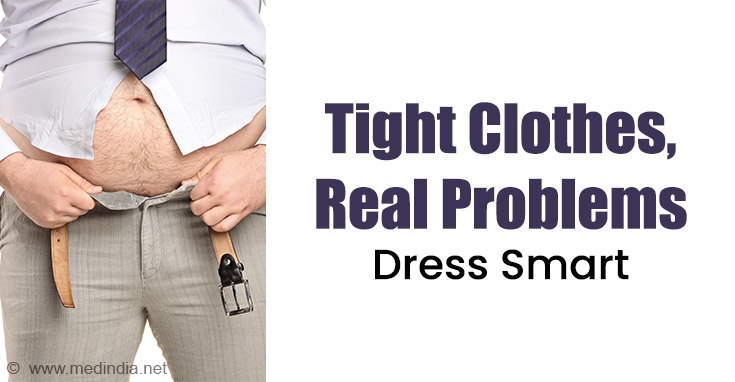
When pants, belts, shapewear or tight waistbands squeeze your abdomen, the internal organs and digestive system can feel the pressure. That extra pressure may worsen gastroesophageal reflux disease (GERD), irritable bowel syndrome (IBS), or other gastrointestinal issues. Sharp discomfort after meals, bloating or heartburn may be amplified when your clothing compresses the stomach area. So if this sounds familiar, clothing fit might be one hidden contributor to your digestive discomfort.
Novel Sensors Embedded in Everyday Clothing can Track Health
The tracking of breathing, heart rate and ammonia is now possible using new, inexpensive sensors built into face masks and t-shirts.
The tracking of breathing, heart rate and ammonia is now possible using new, inexpensive sensors built into face masks and t-shirts.
Tight Garments Affect Circulation and Breathing
Tight garments around the chest, waist or legs can also impact breathing and circulation. A garment that restricts the diaphragm can reduce lung expansion, causing shallow breathing or reduced oxygen intake.Meanwhile, tight waistbands or pants may affect blood flow to limbs, cause swelling, or fatigue because blood return becomes harder.

Novel Fabric Allows Wearers to Control Electronic Devices Through Clothing: Study
New fabric innovation allows wearers to control electronic devices through clothing while also protecting them from rain, stains, and bacteria, reports a new study.
New fabric innovation allows wearers to control electronic devices through clothing while also protecting them from rain, stains, and bacteria, reports a new study.
Nerve Discomfort Due to Tight Clothing
Meralgia Paresthetica is a condition where a nerve in the thigh is compressed by tight clothing, causing tingling, numbness or pain (1✔ ✔Trusted SourceMeralgia Paresthetica
Go to source). If you ever experience pins‑and‑needles or a 'dead leg' feeling after wearing tight jeans or belts, it might be more than mere discomfort.
Skin, Hygiene and Infections Owing to Tight Clothing
Snug, non‑breathable fabrics increase friction and trap moisture. This creates an ideal environment for irritation, fungus or yeast infections, especially in areas such as the groin, thighs or under the arms. Tight pants or shapewear and synthetic fabrics have been linked to increased risk of yeast infections in people with vulvas.Skin irritation, rashes or red raw patches are signs that your clothes might be doing more harm than good. Some media outlets also report an increased risk of urinary tract infection (UTI) from tight, non‑breathable clothing.
Do Tight Clothes Lead to Posture and Musculoskeletal Strain?
Yes, style matters, but so does how your body moves in your outfit. Wearing tight clothing around the waist or shoulders can subtly alter your posture. A tight belt or waistband may prevent your pelvis from aligning naturally, causing increased load on your knees or back. Experts point out that prolonged muscle imbalance and restricted movement can lead to pain or discomfort in the back, neck or joints.Especially if you spend long hours sitting or commuting in snug clothing, it’s worth checking if your outfit is impacting your posture.
Is it a Good Idea to Wear Fitted Clothes?
Wearing fitted clothing isn’t inherently bad. If you feel free, comfortable, can take full breaths and move without restriction, you are probably fine. But the key lies in paying attention to your body’s signals. If you notice deep marks on your skin, tingling or numbness, uncomfortable pressure, digestive discomfort or lingering skin irritation, it’s time to rethink fit and fabric.Wearing tight clothes occasionally might not lead to significant health problems. Choose breathable fabrics, avoid constant pressure zones and alternate snug fits with looser outfits. Give your body space and comfort while still expressing style.
Fashion and self‑expression are important, and you shouldn’t feel you must give up fitted styles entirely. But balancing aesthetics with comfort and long‑term health makes sense. Your body does a lot for you every day. A little room in the waistband, a breathable fabric or a gentler fit might seem small, but over time it helps you move, breathe, sit and digest with less strain. Style should make you feel good, not ask your body to suffer for it.
Reference:
- Meralgia Paresthetica - (https://www.ncbi.nlm.nih.gov/books/NBK557735/)
Source-Medindia
 Email
Email