MEDINDIA
 English
 हिन्दी
 Español
 français
 中文
中文
Baby boomer is a term used in the US as a cultural context. It refers to people born during the demographic post–World War II between 1946 and 1964.


Common Lifestyle Habits that Cause Diseases
Cigarette smoking, unhealthy diets, overuse of alcohol, and physical inactivity are some of the most common lifestyle habits that cause chronic diseases such as obesity, hypertension, diabetes mellitus, cancer and cardiovascular disease.
Cigarette smoking, unhealthy diets, overuse of alcohol, and physical inactivity are some of the most common lifestyle habits that cause chronic diseases such as obesity, hypertension, diabetes mellitus, cancer and cardiovascular disease.
The prevalence of AD in the baby boom generation will rise from 1.2% in 2020, when most baby boomers will be in their 60s and 70s, to 50.1% in 2050, when baby boomers will be in their mid-80s and older.
By 2040, more than twice as many baby boomers will have AD (10.3 million) than the equivalent age group has in 2015 (4.7 million).

Diet and Alzheimer's Disease
Alzheimer's begins with forgetfulness, but over time affects speech and coordination along with drastic behavioral changes. The right diet may lower your risk by 40%. So isn't a diet change worth it?
Alzheimer's begins with forgetfulness, but over time affects speech and coordination along with drastic behavioral changes. The right diet may lower your risk by 40%. So isn't a diet change worth it?
The researchers project that in 2020, the cost of caring for baby boomers with AD in the community will be 2.1% of total Medicare spending ($11.86 billion in 2014 dollars) and will increase to 24.2% of total Medicare spending by 2040 ($328.15 billion in 2014 dollars).

Postponing Retirement Might Help Ward Off Alzheimer�s Disease
A large scale study reveals that people who tend to postpone their retirement by a few years were less likely to develop Alzheimer’s disease.
A large scale study reveals that people who tend to postpone their retirement by a few years were less likely to develop Alzheimer’s disease.
"The other number that has us concerned and what speaks to the urgency of the message is that today, baby boomers represent 2% of Medicare costs, and that's just Medicare, and by the time we hit 2040, baby boomers will present almost 25% of Medicare costs. That doesn't include home care, overnight care, nursing home care, all these out-of-pocket expenses," said Dr Carrillo.
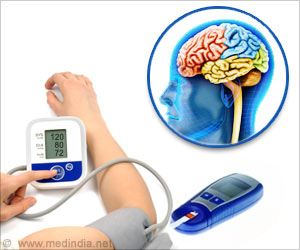
Low Risk of Alzheimer�s Disease For Those With High Blood Pressure
People with high blood pressure are exposed to anti-hypertensive medication which may protect them from Alzheimer’s disease.
People with high blood pressure are exposed to anti-hypertensive medication which may protect them from Alzheimer’s disease.
The new emphasizes the need for implementation of the US National Plan to address Alzheimer's disease, which calls on the government and the private sector to intensify efforts to treat or prevent AD and related dementias and to improve care and services, she added.
Source-Medindia
 Email
Email