MEDINDIA
 English
 हिन्दी
 Español
 français
 中文
中文
Two differing blood clot prevention medications are just as safe and effective for patients undergoing percutaneous coronary intervention.


Surprising Trends Found in Cause of Long-Term Death After Percutaneous Coronary Intervention
More people with known coronary heart disease die because of other conditions like cancer, lung and neurological diseases, rather than heart disease as compared to 20 years ago, reveals a Mayo Study.
More people with known coronary heart disease die because of other conditions like cancer, lung and neurological diseases, rather than heart disease as compared to 20 years ago, reveals a Mayo Study.
TOP INSIGHT

Two differing blood clot prevention medications are just as safe and effective for patients undergoing percutaneous coronary intervention.
Through this observational study of patients undergoing successful elective percutaneous coronary intervention, the Intermountain researchers found that the risk after 30 days of major bleeding, and one-year risk of death, heart attack and urgent repeat PCI, was low and not significantly different between the two treatment methods.
Results of the study were presented during the American Heart Association Scientific Sessions in New Orleans.

Most Of The Heart Attack Patients Do Not Receive Lowest-Risk Care
Heart attack patients who were most prone to bleeding were more likely to be treated via transfemoral access, which is known to result in more significant post-procedure bleeding.
Heart attack patients who were most prone to bleeding were more likely to be treated via transfemoral access, which is known to result in more significant post-procedure bleeding.
Researchers studied results from patients who underwent percutaneous coronary intervention between January 2013 and December 2015. Of the 857 patients enrolled in the study, 402 received heparin plus short-term tirofiban treatment and 455 received bivalirudin. The patients were between the ages of 51 and 78.

Less Than Half of Deaths After Angioplasty Result of Procedure: Study
Nearly 42 percent of the deaths occurring within 30 days of percutaneous coronary interventions (PCI) were attributable to complications from the procedure.
Nearly 42 percent of the deaths occurring within 30 days of percutaneous coronary interventions (PCI) were attributable to complications from the procedure.
The 30-day incidence of TIMI major bleeding score was 1.2% for patients treated with heparin and tirofiban and 3.1% for bivalirudin patients.
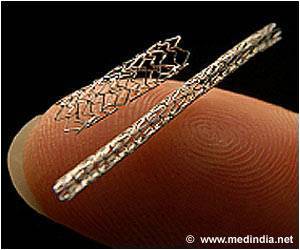
Mortality Risk Similar for Bypass Surgery and Latest Drug-Coated Stents
The risk of death is same in patients that received newer drug-coated stents, which keep blocked coronary arteries open, and also in those that underwent bypass surgery.
The risk of death is same in patients that received newer drug-coated stents, which keep blocked coronary arteries open, and also in those that underwent bypass surgery.
 Email
Email