 MEDINDIA
 English
 हिन्दी
 Español
 français
 中文
中文
About Shigellosis
Shigellosis is a virulent bacterial disease that is caused by a strain of bacteria of the genus Shigella.
Bacillary dysentery or Shigellosis is a common cause of gastro-enteritis worldwide and can cause bloody Diarrhea (called dysentery) or non-bloody diarrhea. The sight of blood in stools can be frightening and the patient may seek immediate treatment.
Worldwide estimates report that shigellosis is responsible for approximately over 600,000 deaths and above per year. The majority of these happen in the developing countries and 2/3rd of the victims are children under the age of 10 years.
Diarrheal outbreak due to shigella occurs in areas of overcrowding where sanitation is poor such as jails, mental hospitals, refugee camps, daycare or in primary schools. Outbreaks are also reported among homosexuals.
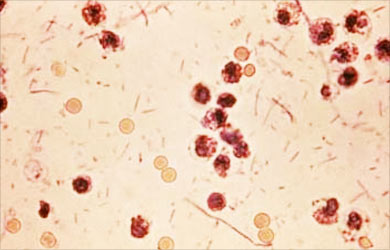
The Shigella bacteria enter the host's system through the epithelial lining of the large intestine and destroy the intestinal mucosa. The bacteria cause a highly contagious diarrhea.
Depending on the physical condition and age of the host, even as few as ten bacterial cells are enough to trigger an infection.
Watery loose stool is the classical symptom of Shigella infection. Some strains of bacteria produce toxins that cause 'hemolytic uremic syndrome'.
Evaluating the stool under a microscope confirms the diagnosis. Most cases of shigellosis do not require hospitalization.
Children, elderly and the immuno - compromised need antibiotic treatment. Intake of plenty of fluids is an absolute requirement in case of dysentery.
Death from bacillary dysentery is unusual. It may, however, occur in neglected, undiagnosed or extreme cases. It is more commonly prevalent in the following –
- Children who suffer from mal-nutrition
- In patients with co-existing debilitating conditions
- Or in the elderly population.
Shigellosis may be prevented to a large extent by diligently following hygienic practices.
 Email
Email


















thats gud