MEDINDIA
 English
 हिन्दी
 Español
 français
 中文
中文
With the Millennium Development Goals coming to an end, experts have developed a new tool to show why neglected tropical diseases should be part of these goals.
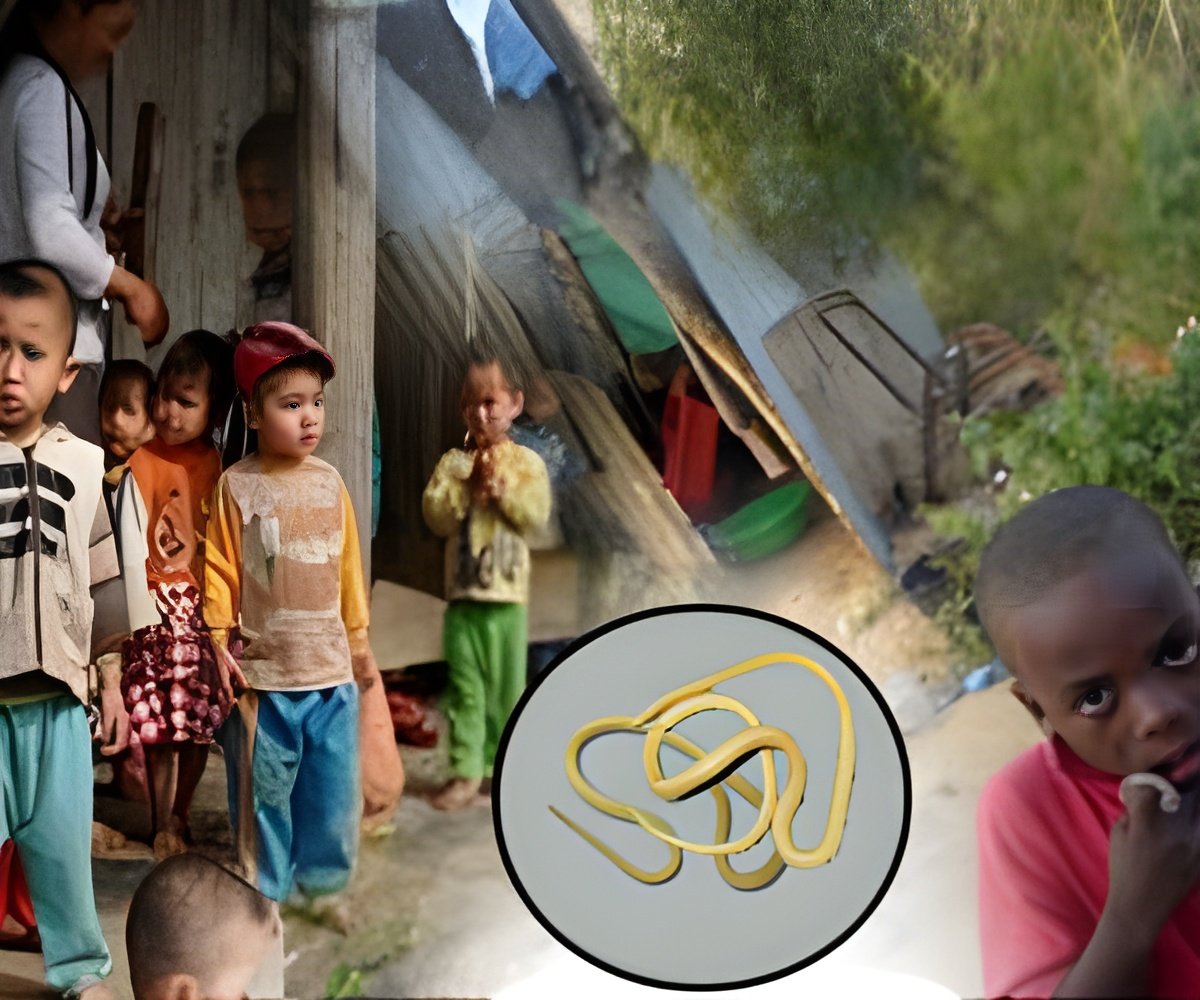

Mission to Tackle Parasitic Worm Infections Moves Closer to Being Accomplished
An important step forward in finding a potential treatment for an infection that affects over a billion people worldwide has been taken by researchers.
An important step forward in finding a potential treatment for an infection that affects over a billion people worldwide has been taken by researchers.
Jennifer R. Herricks, postdoctoral fellow at Baylor College of Medicine, said, "Because decreased human development is related to increased burden of parasitic worm infections, we recommend that serious consideration should be given to parasitic worm infections and other neglected tropical diseases when trying to attain goals that will ultimately improve human development; for example, when implementing the sustainable development goals."
The study is published in Plos Neglected Tropical Diseases.

Sanitation: Effective Control Measure for Parasitic Worm Infections
Access to sanitation facilities reduces the likelihood of parasitic worm infections, shows study.
Access to sanitation facilities reduces the likelihood of parasitic worm infections, shows study.

Third Round of National Level School-Based Deworming in Delhi on April 16, 2015
Intestinal worms are treated by administering an anthelmintic drug to get rid of parasites like roundworm, flukes and tapeworm. It's safe and cost-effective.
Intestinal worms are treated by administering an anthelmintic drug to get rid of parasites like roundworm, flukes and tapeworm. It's safe and cost-effective.
Soil-Transmitted Worm Infections Can be Effectively Prevented Using Video Based Educational Programs
Researchers have found that video-based health educational programs are very effective in preventing soil-transmitted worm infections among schoolchildren.
Researchers have found that video-based health educational programs are very effective in preventing soil-transmitted worm infections among schoolchildren.
 Email
Email