MEDINDIA
 English
 हिन्दी
 Español
 français
 中文
中文
Boosting organ donation in minority communities can improve transplant compatibility, shorten wait times, and lead to better outcomes for patients in need.

5 Reasons More Diverse Organ Donors Are Needed
Go to source). Currently, over 106,000 individuals in the U.S. await a life-saving organ transplant, according to the United Network for Organ Sharing (UNOS). These patients come from diverse backgrounds, but donor participation from these communities remains limited.
A Second Chance at Life: Tissue and Organ Transplantation
Organ and tissue transplantation can give a second chance at life to thousands of people. Learn more about this interesting procedure.
Organ and tissue transplantation can give a second chance at life to thousands of people. Learn more about this interesting procedure.
TOP INSIGHT

Did You Know?
More than 106,000 people in the United States are waiting for an organ transplant, yet many from minority backgrounds face longer wait times due to lower donor representation. #organdonation #healthequity #medindia
Importance of Diversity in Organ Donation
"Increasing diversity among organ donors is vital for achieving fairness in transplantation," explains Pooja Budhiraja, M.B.B.S., a nephrologist at Mayo Clinic. "Minority groups often face greater risks of organ failure and experience longer wait times, yet they are underrepresented among donors. Expanding donor diversity can improve compatibility, reduce wait times, and produce better transplant outcomes."Five Reasons to Expand Organ Donor Participation
Mayo Clinic specialists highlight five key reasons why boosting organ donor participation in all communities can save lives.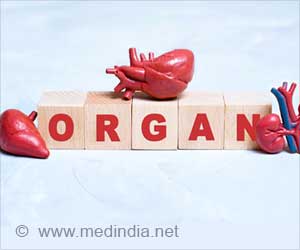
Organ Donation Disparity: 80% Women Donors, 80% Men Recipients
93% of organ donations in India are from living donors, 80% of whom are women-exposing a hidden gender bias. Time to rewrite the narrative.
93% of organ donations in India are from living donors, 80% of whom are women-exposing a hidden gender bias. Time to rewrite the narrative.
One organ donor has the potential to save as many as eight lives by donating vital organs like kidneys, liver, heart, lungs, pancreas, and intestines. Beyond organs, donors can also enhance numerous lives through tissue and eye donations, helping recipients regain mobility, vision, and recover from injuries or illnesses.
2. Living donation is a safe and effective option
Living donation, such as giving one kidney or part of the liver, offers a life-changing gift and often leads to quicker transplants. Kidney donation is the most frequent type of living-donor transplant. A healthy individual can donate one kidney and still live a full, active life.

India Needs 4 Lakh Organ Transplants Every Year: Expert
Organ donations are rather negligible; when the need is to do up to 60,000 heart transplants annually we are able to do a maximum of 250.
Organ donations are rather negligible; when the need is to do up to 60,000 heart transplants annually we are able to do a maximum of 250.
3. Age does not restrict organ donation
There is no maximum age for donating organs, eyes, or tissues. While most states require donors to be at least 18 years old to register, eligibility depends on medical condition at the time of donation rather than age alone. Older adults, including those in their 70s and beyond, have successfully donated organs and tissues.

Fight Against Organ Rejection: What’s Next?
Despite being a remarkable medical advancement, organ transplants still face the critical issue of rejection by the immune system.
Despite being a remarkable medical advancement, organ transplants still face the critical issue of rejection by the immune system.
Diseases that can cause organ failure, such as diabetes, hypertension, and heart disease are more prevalent among African American, Latino, Asian American, and Native American populations. The National Kidney Foundation notes that kidney disease disproportionately impacts these communities.
"Patients from minority groups face many obstacles in accessing transplantation, whether as donors or recipients," says Ty Diwan, M.D., a Mayo Clinic transplant surgeon. "Raising awareness about donation within specific communities will save lives and encourage discussions on improving transplant access for these populations."
5. Better matches can improve transplant success
Organs are not matched based on race or ethnicity, but blood types and tissue markers tend to be more compatible among individuals with shared ancestry. This can lead to improved outcomes when donors and recipients come from similar backgrounds.
"Registering as an organ donor is a straightforward yet powerful action that can save and transform multiple lives. I encourage everyone to learn about donation, discuss it with their families, and take that important step to bring hope and healing," says Dr. Budhiraja.
Reference:
- 5 Reasons More Diverse Organ Donors Are Needed - (https://www.newswise.com/articles/5-reasons-more-diverse-organ-donors-are-needed)
Source-Eurekalert
 Email
Email