MEDINDIA
 English
 हिन्दी
 Español
 français
 中文
中文
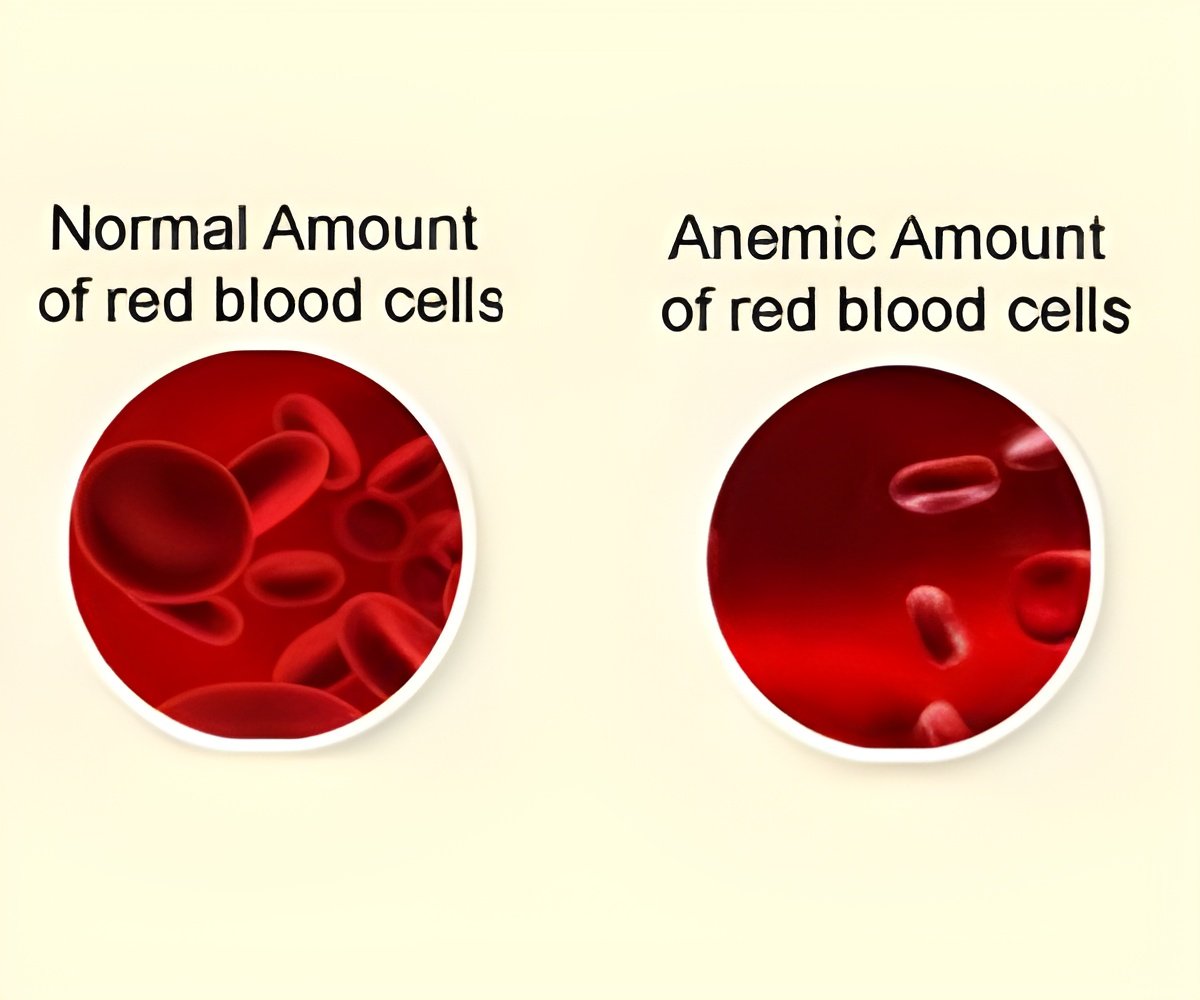
The Chronic Kidney Disease (CKD) anemia market is changing with new drugs, rising cases, and shifting treatment goals.
Hypoxia-Inducible Factor Prolyl Hydroxylase Inhibitors: A Potential New Treatment for Anemia in Patients With CKD
Go to source).

Dialysis Patients can be Protected from Severe COVID-19 by Vaccination
A new study describes the efficacy of COVID-19 vaccination in kidney failure patients receiving dialysis treatment.
A new study describes the efficacy of COVID-19 vaccination in kidney failure patients receiving dialysis treatment.
TOP INSIGHT

Did You Know?
By 2034, the Chronic Kidney Disease(CKD) anemia market will hit $5.3B—yet innovation is running thin, and safer options are still in demand.
#ckdanemia #nephrology #pharmaupdate #clinicaltrials #medindia
America at the Helm: Why the U.S. Leads the Market
The United States commands nearly half the CKD anemia market, thanks to higher drug prices and a larger diagnosed population. By 2034, it’s expected to generate over $2.7 billion, holding a 52.7% share across the 7 major markets. This leadership reflects both demand and the cost dynamics of U.S. healthcare(2✔ ✔Trusted SourceCKD anemia market to reach $5.3 billion across 7MM by 2034, forecasts GlobalData
Go to source).

Dialysis Efficiency (Kt/V) Calculator
Dialysis Efficiency Calculator or Kt/V calculator is an interactive tool that indicates how well dialysis is working for you and checks if enough water and waste products are cleared from your blood.
Dialysis Efficiency Calculator or Kt/V calculator is an interactive tool that indicates how well dialysis is working for you and checks if enough water and waste products are cleared from your blood.
The Old Guard: Are ESAs Still Worth It?
Erythropoiesis-stimulating agents (ESAs) have been the gold standard since 1989—but not without concern. While they boost hemoglobin levels and cut down on transfusions, they also carry risks like heart problems and blood clots. As we move forward, many experts question whether ESA benefits still outweigh the safety trade-offs.
Health Intervention Prevents Chronic Kidney Disease
Training of community health workers on aspects of a healthy lifestyle and taking prescribed blood pressure-lowering medications lowers kidney failure risk.
Training of community health workers on aspects of a healthy lifestyle and taking prescribed blood pressure-lowering medications lowers kidney failure risk.
Game Changers: What’s New with HIF-PH Inhibitors?
Enter the HIF-PH inhibitors—a new class of drugs taken orally, offering fresh hope for CKD patients, especially those not on dialysis. These therapies mimic natural oxygen-sensing mechanisms to safely stimulate erythropoietin and improve iron delivery. They may offer fewer side effects than ESAs, but long-term trials are still ongoing to confirm safety.Innovation Bottleneck: Where’s the Rest of the Pipeline?
Despite a growing patient need, the pipeline of new CKD anemia drugs is surprisingly thin. Aside from HIF-PH inhibitors and efepoetin alfa, there are few promising candidates in late-stage development. Experts say this is a clear sign that investment in safer, more effective therapies is long overdue.What’s Slowing Growth: Patent Loss and Biosimilars
A major hurdle for future growth is the loss of exclusivity for several key drugs. As biosimilars and generics hit the market, branded medications will likely see declining revenues. While this might lower costs for patients, it could also discourage innovation if companies see smaller returns on investment.References:
- Hypoxia-Inducible Factor Prolyl Hydroxylase Inhibitors: A Potential New Treatment for Anemia in Patients With CKD - (https://pubmed.ncbi.nlm.nih.gov/28242135/)
- CKD anemia market to reach $5.3 billion across 7MM by 2034, forecasts GlobalData - (https://www.globaldata.com/media/pharma/ckd-anemia-market-reach-5-3-billion-across-7mm-2034-forecasts-globaldata/)
Source-GlobalData
 Email
Email