MEDINDIA
 English
 हिन्दी
 Español
 français
 中文
中文
The diabetic drug semaglutide slows chronic kidney disease progression with consistent renal safety in servicemen living with type 2 diabetes.
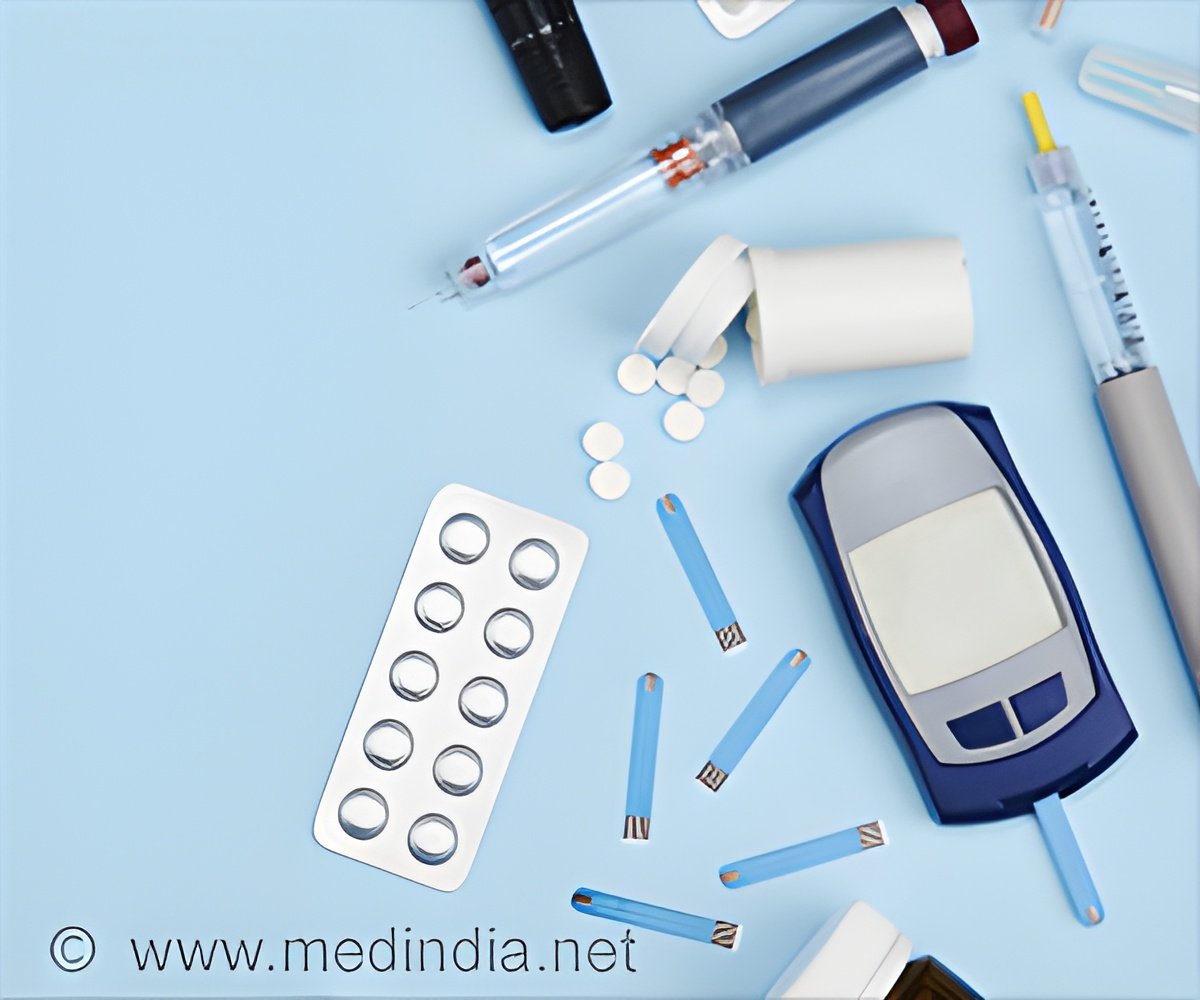
Liraglutide vs Semaglutide vs Dulaglutide in Veterans With Type 2 Diabetes
Go to source)

Quiz on Diabetes Medications
How much do you know about the medications used to treat diabetes? Here are a few questions you could attempt to test your ...
How much do you know about the medications used to treat diabetes? Here are a few questions you could attempt to test your ...
TOP INSIGHT

Did You Know?
Liraglutide, #semaglutide, and dulaglutide are the three GLP-1 drugs offer same safety profiles for #heart and #kidney health, showing no clear advantage of one over the other concerning #disease_risks in #diabetes. #chronickidneydisease #cardiovasculardisease diabeticdrugs #GLP1 #diabetology
Ozempic, Wegovy, and Other GLP-1 Drugs Offer Comparable Health Effects
The findings were according to research by Katie Derington, and her study was published in JAMA Network Open. Diabetic drugs named Ozempic and Wegovy rushed public interests due to their weight-loss efficiency.Scientists analyzed health data of 21,790 veterans with type 2 diabetes, comparing the effects of the three GLP-1 drugs on kidney and cardiovascular diseases. However, the assessment showed no significant difference for any peculiar benefits of the three drugs.
Ultimately, Derington and her co-investigators found that all three drugs had relatively low risks — a promising finding given that generic versions of liraglutide are becoming available on the market and the drug is expected to become more widely used. However, she notes that additional research is needed to confirm these findings.

Diabetes Risk Assessment Calculator
Almost one-third of the people are unaware of the risk factors of diabetes. Find out if you run the risk of diabetes by using Diabetes Risk Assessment calculator.
Almost one-third of the people are unaware of the risk factors of diabetes. Find out if you run the risk of diabetes by using Diabetes Risk Assessment calculator.
Clinicians Reassured by Similar Drug Safety Profiles
“Our study’s findings suggest that all three drugs are fairly similar in terms of effectiveness and safety,” says Derington, who is also a faculty member in the Adult and Child Center for Outcomes Research and Delivery Science.“This knowledge makes patients feel a lot better, and it makes clinicians like me feel better about prescribing these drugs.”
Of the more than 38 million Americans who have diabetes, an estimated 90% to 95% of them have type 2 diabetes, according to the U.S. Centers for Disease Control and Prevention. In the long term, having type 2 diabetes increases a person’s risk for developing cardiovascular disease and kidney disease, Derington explains. Cardiovascular disease, in particular, is a leading cause of mortality in this patient population.
An emerging medical focus is cardiovascular-kidney-metabolic (CKM) syndrome, which recognizes the interplay between diabetes, cardiovascular disease, and chronic kidney disease. Clinicians are working to treat people more comprehensively by examining how these different conditions overlap and affect patients.

Type 2 Diabetes - Risk Factors - Symptoms & Signs - Management - Prevention
Globalization and changing lifestyles has made diabetes very common in developing countries so much so that India is known as the Diabetes Capital of the World.
Globalization and changing lifestyles has made diabetes very common in developing countries so much so that India is known as the Diabetes Capital of the World.
Why a Head-to-Head Comparison Was Needed
“Now that we’re treating people in a more comprehensive format with CKM syndrome, we can also study people in a more comprehensive way by examining how certain treatments may or may not impact their overall health,” Derington says.Over the years, researchers have found that GLP-1 RAs offer a plethora of additional benefits besides just lowering blood sugar, including helping improve patients’ heart and kidney health.
“These are blockbuster drugs, and we are still working to understand how they are offering these great effects, including how they are affecting the kidneys,” she says.
The U.S. Food and Drug Administration has approved liraglutide, semaglutide, and dulaglutide as treatment options to prevent cardiovascular disease outcomes in patients with diabetes. However, when it comes to the kidneys, the FDA has only approved semaglutide for slowing chronic kidney disease progression in patients with diabetes and chronic kidney disease.
“To our knowledge, there has not been a head-to-head trial to compare the safety of these drugs regarding cardiovascular and kidney health outcomes. We wanted to step in and try to fill that research gap,” Derington says.
“Because these drugs are so widely used, are often expensive, and so many people struggle to access them, it’s important that we know how effective and safe they are compared to other agents.”

GLP-1 Drugs: A Diabetes Medication in Reducing Alcohol Use
GLP-1 receptor agonists, a diabetic medication may help in reducing alcohol consumption and alcohol-related health problems.
GLP-1 receptor agonists, a diabetic medication may help in reducing alcohol consumption and alcohol-related health problems.
Lower Mortality Risk Observed with Liraglutide
Derington describes the Department of Veterans Affairs health system as a “treasure trove” of data, offering a breadth of information about patients and their medications. That’s why she chose to use the health system data to conduct a comparative effectiveness study on liraglutide, semaglutide, and dulaglutide.After conducting a thorough analysis, Derington and her co-investigators discovered there were few differences between the three drugs in terms of the risks they posed to the kidneys and cardiovascular system.
“They appeared very comparable to one another, suggesting that regardless of what drug a patient decides to take, all three options are fairly safe, which is really comforting,” she says.
However, there were a few differences the data showed between the drugs. For example, liraglutide had a lower risk of all-cause mortality (meaning the total number of deaths from any cause) versus dulaglutide, Derington explains.
“That surprised us because we assumed that these drugs affected the system similarly since they both effectively prevent cardiovascular disease,” she says. “Looking at this outcome, it’s hard to tell if this is a true finding or if there is something else that is driving that. Additional research is needed to replicate those findings.”
Unexpected Findings: Higher Gallstone Risk with Semaglutide
Another difference they noticed was that semaglutide had a higher risk of patients experiencing gallstones, though the reason why isn’t fully known, she adds.“This isn’t alarming, per se. In general, these types of events were really rare, which reaffirmed to us that these drugs are fairly safe agents,” she says. “For patients, I recommend speaking with your clinician about which drug may work best for you in terms of cost, access through your insurance formulary, and convenience.”
Although this study provided comforting results, Derington notes that further research is needed to validate the findings.
“We want to see this research validated outside of the VA health system (Veterans Health Administration VHA) in more general populations, because the VA is largely made up of older white males, so we need to see if these findings are replicated in other patient populations,” she says.
The Rise of Multi-Targeted Diabetes Drugs
Derington also highlights that there is a need for randomized clinical trials that directly compare the different agents to one another, such as comparing liraglutide to semaglutide.“As great as this study is, you can’t definitively determine a cause-and-effect relationship if it is not done in a clinical trial setting,” she says. “And given that semaglutide is the only one approved by the FDA for slowing kidney disease, it’s important to conduct these comparisons and assess if other drugs should also be approved by the FDA.”
GLP-1 RA drugs also continue to evolve. Tirzepatide, for example, is a type 2 diabetes medication that targets both the GLP-1 receptors and the gastric inhibitory polypeptide (GIP) receptors, making it a potentially more effective and potent drug.
Another drug in development, retatrutide, works on three receptors: GLP-1, GIP, and the glucagon receptor.
“The hope is that one drug could target multiple receptors to help attack this condition and simultaneously lower blood sugar and prevent other health conditions from happening,” Derington says. “With tirzepatide now on the market, we’ll need to compare it to these other GLP-1 RAs to assess its effectiveness and safety.”
Reference:
- Liraglutide vs Semaglutide vs Dulaglutide in Veterans With Type 2 Diabetes - (https://jamanetwork.com/journals/jamanetworkopen/fullarticle/2840010)
Source-Eurekalert
 Email
Email