MEDINDIA
 English
 हिन्दी
 Español
 français
 中文
中文
Development of Alzheimer's disease may be contributed by chronic psychosocial stress which involves a pathway called the hypothalamic-pituitary-adrenal axis (HPA axis).
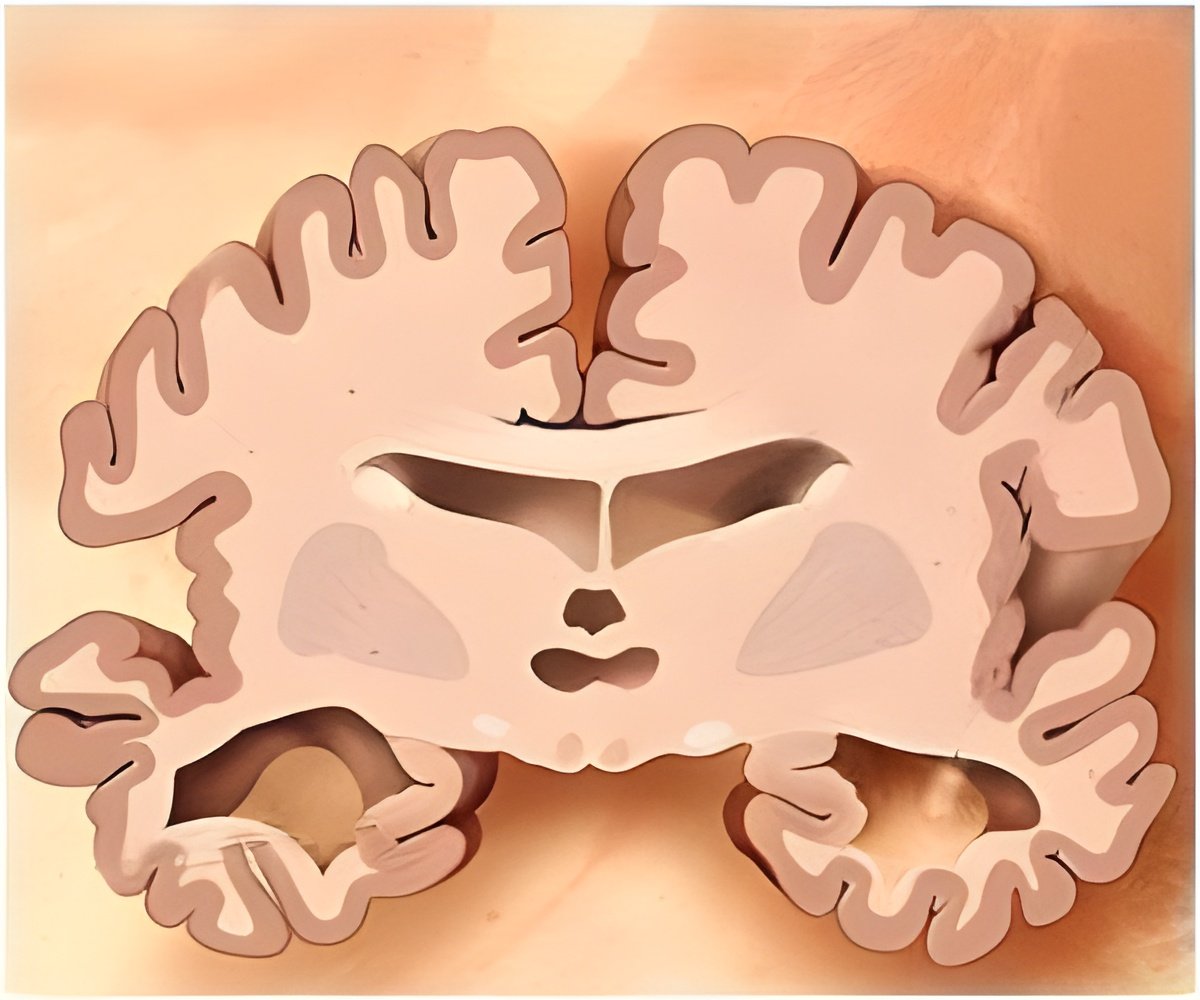

Alzheimer’s disease - Causes, Symptoms, Diagnosis, Stages, Types, Prevention, Prognosis & Treatment
Alzheimer's disease is a progressive neurodegenerative disease affecting memory and thinking and making the person increasingly dependent on others.
Alzheimer's disease is a progressive neurodegenerative disease affecting memory and thinking and making the person increasingly dependent on others.
TOP INSIGHT

Development of Alzheimer's disease may be contributed by chronic psychosocial stress which involves a pathway called the hypothalamic-pituitary-adrenal axis (HPA axis) – an endocrinal regulation system of the brain. This can further lead contribute to researches in the field for better treatment strategies.
"What we know is that chronic stress does affect many biological pathways within our body. There is an intimate interplay between exposure to chronic stress and pathways influencing the body's reaction to such stress. Genetic variations within these pathways can influence the way the brain's immune system behaves leading to a dysfunctional response. In the brain, this leads to a chronic disruption of normal brain processes, increasing the risk of subsequent neurodegeneration and ultimately dementia," says senior author David Groth, Ph.D., of Curtin University, in Australia.
Thus the study highlights the impact of stress on cognitive decline in Alzheimer's disease through changes in the HPA axis. This can further contribute to researches in the field for better treatment strategies.

Dementia - Types, Causes, Symptoms, Diagnosis, Treatment
Dementia has become a very big concern as we have an aging population across the world. Dementia is also terrifying to us because of its disturbing symptoms and limited treatment options.
Dementia has become a very big concern as we have an aging population across the world. Dementia is also terrifying to us because of its disturbing symptoms and limited treatment options.

Vitamin B12 - An Essential Vitamin
If you feel that the persistent or regular incidences of depression have got nothing to do with what you eat, think again. The reason behind low spirits can be due to insufficient levels vitamin B12.
If you feel that the persistent or regular incidences of depression have got nothing to do with what you eat, think again. The reason behind low spirits can be due to insufficient levels vitamin B12.
Modified Atkins Diet: All You Need to Know
Modified Atkins diet designed for weight loss and to treat seizures is high in fat and low in carbohydrates. Discover how this diet is different from the ketogenic diet.
Modified Atkins diet designed for weight loss and to treat seizures is high in fat and low in carbohydrates. Discover how this diet is different from the ketogenic diet.
 Email
Email