MEDINDIA
 English
 हिन्दी
 Español
 français
 中文
中文

Consuming more foods rich in Vitamin B may help prevent constipation in adults.
Highlights:
People who consume higher amounts of Vitamin B have a lower chance of experiencing constipation (1✔ ✔Trusted Source- Vitamin B intake supports regular digestion and reduces constipation episodes
- Diet rich in greens, grains, and eggs can promote healthier bowel movements
- Alcohol and lifestyle choices affect how well Vitamin B benefits digestive health
Evaluating the link between the dietary intake of vitamin B and constipation: a population-based study
Go to source). Analysis of dietary habits and bowel health data from nearly 14,000 adults revealed that those with greater intake of niacin, folate, and choline (all part of the Vitamin B group) reported fewer issues with constipation.

Iron Intake Calculator
This is a quick calculator to find out how much iron is needed for babies, girls, boys, men, women, pregnant and breast feeding women. The Intake Calculator also includes iron rich foods.
This is a quick calculator to find out how much iron is needed for babies, girls, boys, men, women, pregnant and breast feeding women. The Intake Calculator also includes iron rich foods.
TOP INSIGHT

Did You Know?
Eating more Vitamin B-rich foods like leafy greens, grains, and eggs could lower your risk of constipation by up to 10 percent. #medindia #vitaminb #constipation
Consistent Digestive Benefits Across All Lifestyles
The connection between these nutrients and digestive health remained strong even after considering factors like age, gender, and lifestyle.
Quiz on Dietary Minerals for Healthy Body
“Health is a relationship between you and your body” - Terri Guillemets Dietary minerals are inorganic substances that are obtained by the body through food that we eat. Take this quiz and find out about the minerals that ...
“Health is a relationship between you and your body” - Terri Guillemets Dietary minerals are inorganic substances that are obtained by the body through food that we eat. Take this quiz and find out about the minerals that ...
Older Adults and Women Face Higher Constipation Risk
Constipation affects about one in ten adults, particularly older adults and women. Dietary patterns play a significant role, with poor nutrition increasing the likelihood of digestive issues.Vitamin B, which is found in vegetables, grains, legumes, nuts, meat, and eggs, is essential for numerous bodily functions, including metabolism, gut maintenance, and nerve health.
People with constipation often have diets lacking in Vitamin B and score lower on healthy eating indexes. Diets rich in fiber, water, and Vitamin B are associated with better digestive outcomes and improved bowel movements.

When are Vitamins Used as Drugs?
Vitamins are essential for critical functions in the body and partake in drug-nutrient interactions. Vitamins could be considered drugs as they may spark a light in preventing, mitigating, and treating disease.
Vitamins are essential for critical functions in the body and partake in drug-nutrient interactions. Vitamins could be considered drugs as they may spark a light in preventing, mitigating, and treating disease.
Nutritional Strategies for Digestive Health
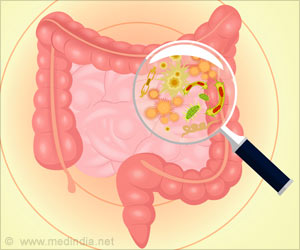
Vitamin B is vital for supporting the cells of the digestive tract, regulating gut bacteria, and maintaining immune balance. Since the human body cannot produce enough of these nutrients on its own, regular consumption through a balanced diet is necessary.While the findings point to the benefits of Vitamin B-rich diets, other factors like gut bacteria composition, medication use, and underlying health conditions may also influence digestive health. Further exploration is needed to fully understand how Vitamin B supports intestinal function and to develop personalized nutrition plans for those prone to constipation.
Dietary Do’s and Don’ts for Relieving Constipation (2✔ ✔Trusted Source
Foods for Constipation
Go to source)
| Do’s | Don’ts |
|---|---|
| Eat high-fiber foods: whole grains, legumes, fruits, vegetables | Avoid high-fat, low-fiber foods: cheese, fried foods, processed meats |
| Choose low-fructose fruits: berries, citrus, bananas, prunes | Limit high-fructose fruits: apples, pears, mangoes, watermelon |
| Drink plenty of water (at least 8 glasses/day) | Reduce intake of caffeine and alcohol |
| Include natural laxatives: Chia seeds, flaxseeds | Don’t rely on frequent use of over-the-counter laxatives |
| Allow time to use the restroom after meals | Don’t ignore the urge to go |
To sum up, increasing the intake of Vitamin B-rich foods may offer a simple, natural way to reduce constipation risk and improve digestive health, especially for adults who struggle with regularity.
References:
- Evaluating the link between the dietary intake of vitamin B and constipation: a population-based study - (https://www.frontiersin.org/journals/nutrition/articles/10.3389/fnut.2025.1594644/full)
- Foods for Constipation - (https://www.hopkinsmedicine.org/health/wellness-and-prevention/foods-for-constipation)
Source-Medindia

Top 7 Nutrient Deficiencies Slowing Your Metabolism
Explore the silent threat of nutritional deficiencies and discover strategies to optimize health through proper nutrition.
Explore the silent threat of nutritional deficiencies and discover strategies to optimize health through proper nutrition.
 Email
Email