MEDINDIA
 English
 हिन्दी
 Español
 français
 中文
中文
Visualization of atherosclerotic plaques in blood vessel walls by combining magnetic resonance imaging (MRI) and mathematical analysis to define features.
Atherosclerosis - Causes, Symptoms, Prevention & Treatment
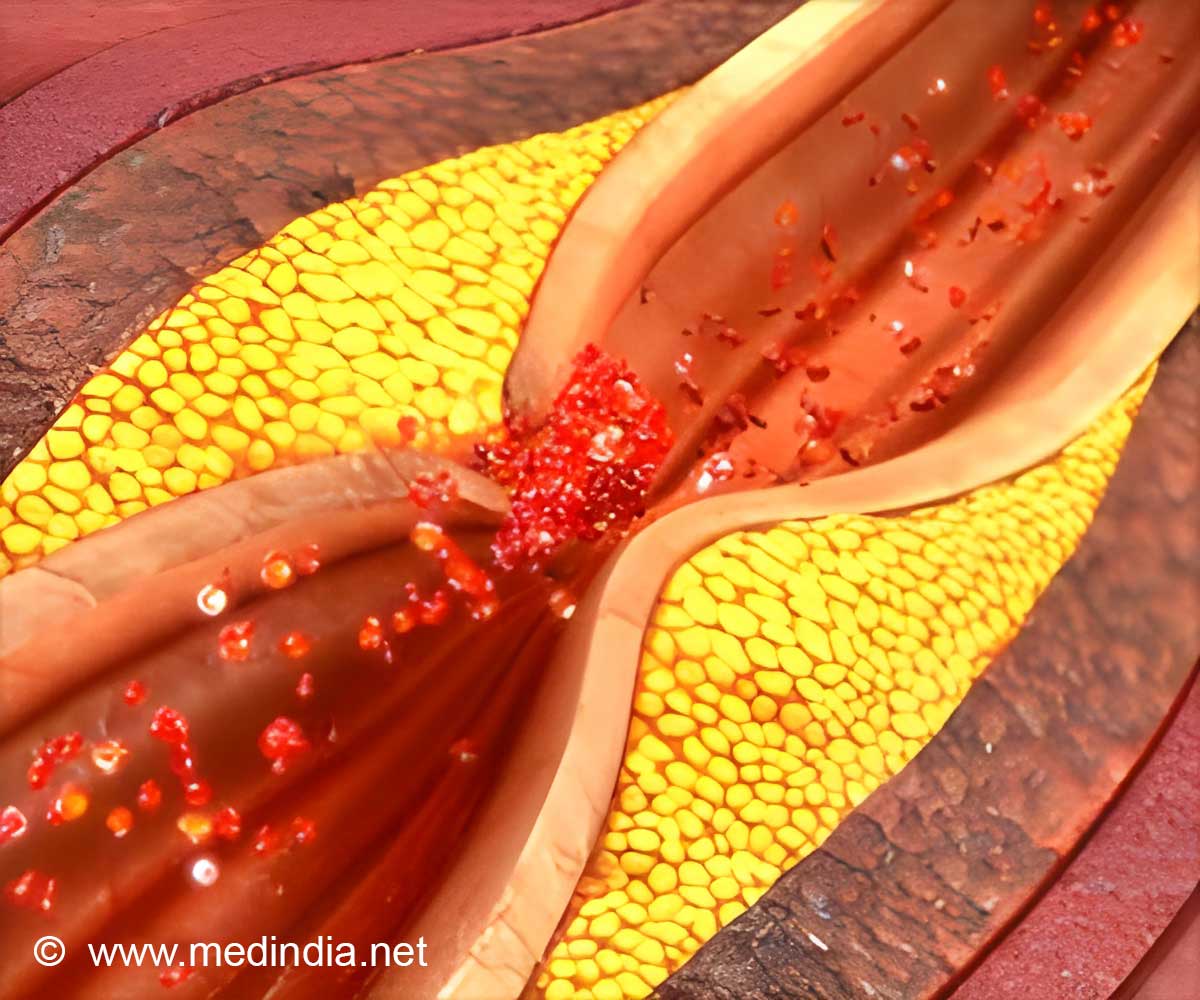
Atherosclerosis is a condition in which the arteries become hard and narrow, leading to restricted blood flow.
Atherosclerosis is a condition in which the arteries become hard and narrow, leading to restricted blood flow.
TOP INSIGHT

New imaging tool uniquely detects regions of arteries at risk of rupture or atherothrombosis, increasing the accuracy of diagnosis in atherosclerotic disease.
Three-Dimensional Visualization of Atherosclerotic Vessels
Using an experimental model, they combined magnetic resonance imaging (MRI) and mathematical analysis to architecturally define features of fatty material that form plaques in the arteries not visualized with conventional MRI or histology alone.This method uniquely detects regions of arteries at risk of rupture or atherothrombosis, thus increasing the accuracy of diagnosis and assessment of treatment outcomes in individuals with atherosclerotic disease.
As atherosclerosis progresses, damaged smooth muscle cells (SMC) become inflamed and disorganized. While current bio-imaging techniques focus mainly on plaque features adjacent to the flowing blood, they are unable to capture highly detailed deeper structures.
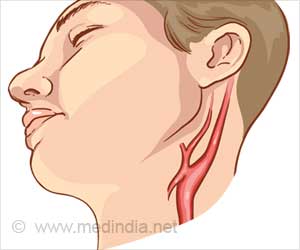
Could Diet Quality Predict Atherosclerosis in Intermediate Cardiovascular Risk Patients?
A recent study analyzed the association between carotid artery intima media thickness, presence of plaque and the carotid target organ damage (cTOD) with the diet quality.
A recent study analyzed the association between carotid artery intima media thickness, presence of plaque and the carotid target organ damage (cTOD) with the diet quality.
Whereas, in highly inflamed regions, blood clots and underlying vessels were characterized by highly random properties with many short tracts that were perpendicular to the vessel wall.
Hot Flashes can be Detrimental to the Heart
Vasomotor symptoms such as hot flashes are associated with an increased risk of cardiovascular disease in middle-aged women.
Vasomotor symptoms such as hot flashes are associated with an increased risk of cardiovascular disease in middle-aged women.
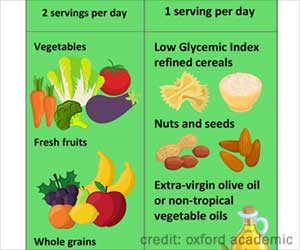
Diet for Heart Disease: Here's a List of Foods to Eat and Avoid
Increasing consumption of plant-based foods and reducing the consumption of salt and foods of animal origin lowers risk of heart disease. The quantity and frequency of consumption matters in reducing the risk of the disease.
Increasing consumption of plant-based foods and reducing the consumption of salt and foods of animal origin lowers risk of heart disease. The quantity and frequency of consumption matters in reducing the risk of the disease.
 Email
Email