MEDINDIA
 English
 हिन्दी
 Español
 français
 中文
中文
Patients treated in Europe or Asia were 2.6 times as likely to undergo breast conserving therapy rather than a mastectomy, found new study.

Recent Advances and the Present Status of Breast cancer Management
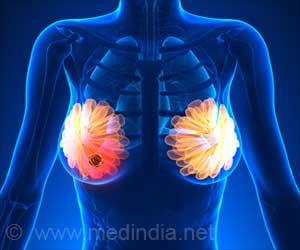
The crab that invades the breast is no more a fear factor with all the advancements that medical science and customized protocols can fight breast cancer. the recent developments in the management of breast cancer.
The crab that invades the breast is no more a fear factor with all the advancements that medical science and customized protocols can fight breast cancer. the recent developments in the management of breast cancer.
TOP INSIGHT

Neoadjuvant systemic therapy (NST) can shrink tumors in breast cancer patients and in some cases allow for breast conserving therapy (lumpectomy) who would otherwise require a mastectomy.
Previous studies have found that lumpectomy with clear margins (no cancer cells in the surrounding tissue) followed by radiation is as effective as mastectomy with no difference in survival. Mastectomies require more extensive surgery and post-surgical recovery. However, women who have undergone a lumpectomy have a slightly higher risk of developing local recurrence of breast cancer.
Golshan and colleagues conducted their analysis as part of BrighTNess, a multi-centered, phase III, double blind, randomized controlled trial sponsored by AbbVie Pharmaceuticals. The trial enrolled 600 women with operable, clinical stage II and III triple-negative breast cancer from 145 centers in 15 countries. Study participants were randomized to receive 12 weeks of one of three different chemotherapy treatment regimens prior to surgery. Before treatment, 458 patients (76 percent) were considered eligible for breast conserving therapy and 141 (24 percent) were deemed ineligible. After treatment, 75 (53 percent) of the patients deemed ineligible were converted to eligible for breast conserving therapy.

Less-invasive Mastectomy Benefits More Breast Cancer Patients
Less-invasive mastectomy was found to be safe for more breast cancer patients, Mayo Clinic study finds. In the procedure, known as a nipple-sparing mastectomy, surgeons remove breast tissue, leaving the skin, nipple and areola, and immediately rebuild the breasts.
Less-invasive mastectomy was found to be safe for more breast cancer patients, Mayo Clinic study finds. In the procedure, known as a nipple-sparing mastectomy, surgeons remove breast tissue, leaving the skin, nipple and areola, and immediately rebuild the breasts.
The authors suggest that it may be that higher out-of-pocket costs of mastectomies for patients in Europe or Asia contribute to their findings. In Europe and Asia, removal of the unaffected breast and breast reconstruction are often not covered by insurance unless the patient has a genetic mutation that puts them at risk. In the U.S., such procedures are more frequently covered. The authors note that one of the limitations of their study is that they were unable to ask patients why they made the surgical decision they did and whether insurance coverage influenced their decision.

Mastectomy and Reconstruction May be Safe For Women With Large Breasts
Women undergoing risk-reducing mastectomy and reconstruction appear to be safe for those with larger breasts and reduce their risk of familial breast cancer.
Women undergoing risk-reducing mastectomy and reconstruction appear to be safe for those with larger breasts and reduce their risk of familial breast cancer.
Source-Eurekalert

Delaying Breast Reconstruction Following Mastectomy may Benefit Some Women
Patients with a combination of risk factors, such as being obese and having diabetes or being a smoker, may benefit from delayed rather than immediate breast implant reconstruction
Patients with a combination of risk factors, such as being obese and having diabetes or being a smoker, may benefit from delayed rather than immediate breast implant reconstruction
 Email
Email