MEDINDIA
 English
 हिन्दी
 Español
 français
 中文
中文
The avian flu which has already claimed the lives of 37 in China has the potential to cause a global outbreak of flu, a new study claims
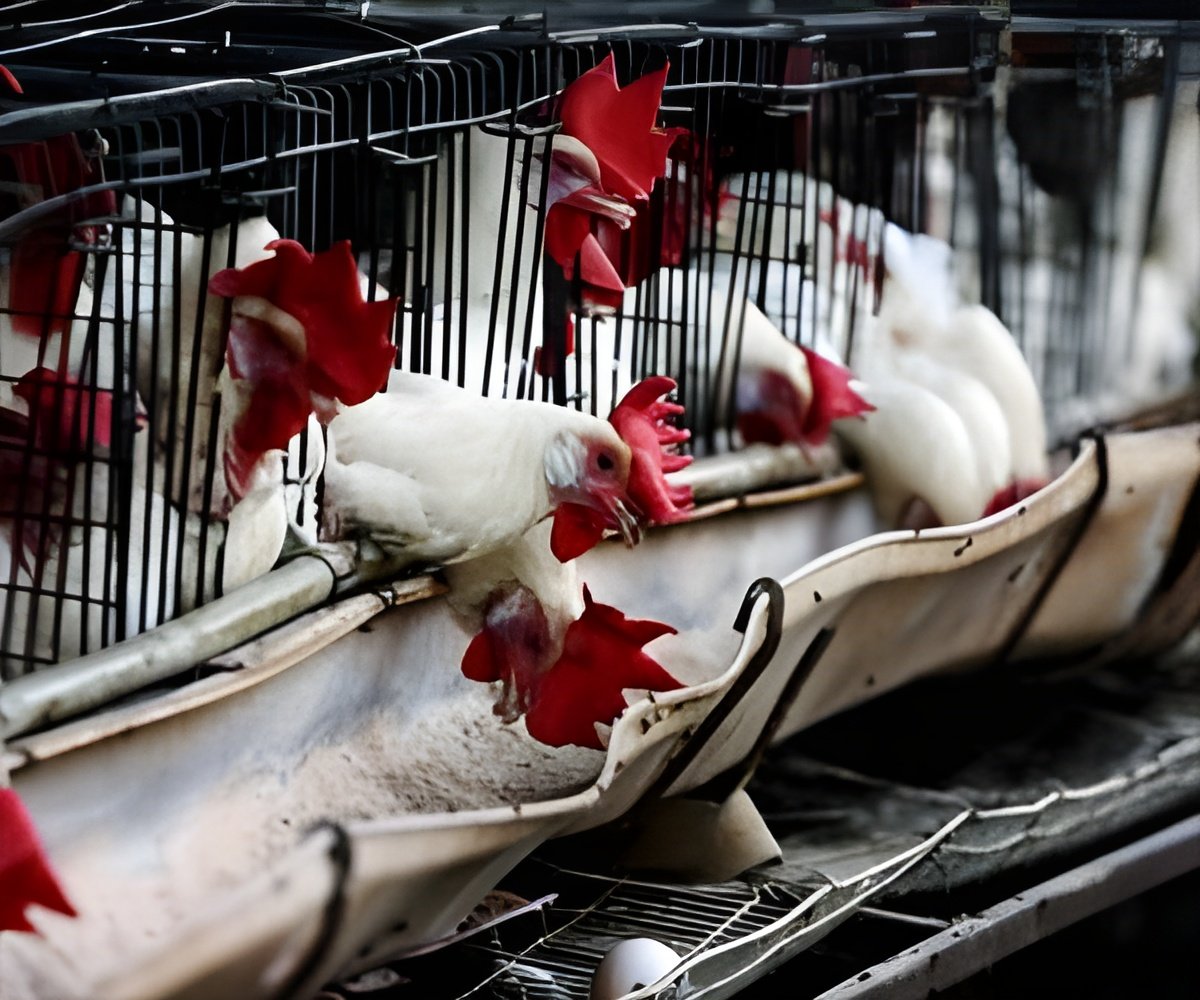

First H7N9 Bird Flu Case Outside China Confirmed By Taiwan
The first case of the H7N9 bird flu outside of mainland China was reported in Taiwan.
The first case of the H7N9 bird flu outside of mainland China was reported in Taiwan.
Normally, avian influenza viruses do not infect humans, with the exception of the highly pathogenic H5N1 strains. However, the H7N9 virus has so far infected at least 132 humans, killing more than 20 percent of those infected, and several instances of human-to-human infection are suspected.
The new study suggests that the ability of the H7N9 virus to infect and replicate in human cells may be due to just a few amino acid changes in the genetic sequence of the virus. "These two features are necessary, although not sufficient, to cause a pandemic," says Kawaoka, explaining that the influenza virus depends on host cells, which it hijacks to make new virus particles and sustain the chain of infection.

H7N9 Bird Flu Kills About 1/3 Hospitalised Patients in China
Researchers who labelled the virus less serious but probably more widespread than previously thought said that the H7N9 bird flu that hit China this year killed over a third of hospitalised patients.
Researchers who labelled the virus less serious but probably more widespread than previously thought said that the H7N9 bird flu that hit China this year killed over a third of hospitalised patients.
"If H7N9 viruses acquire the ability to transmit efficiently from person to person, a worldwide outbreak is almost certain since humans lack protective immune responses to these types of viruses," according to Kawaoka.

Number of H7N9 Patients Dwindles in China
National health authorities said in their latest update on the disease that only 14 patients from China's H7N9 bird flu outbreak are still in hospital.
National health authorities said in their latest update on the disease that only 14 patients from China's H7N9 bird flu outbreak are still in hospital.
"H7N9 viruses combine several features of pandemic influenza viruses, that is their ability to bind to and replicate in human cells and the ability to transmit via respiratory droplets," Kawaoka says.
The positive news conveyed in the new Nature report is that most of the H7N9 strains tested were somewhat sensitive to antiviral drugs effective against the seasonal flu virus, although one isolate, which appears to be a mix of two variants of the H7N9 virus, seemed to resist neuraminidase inhibitors like Tamiflu.
Further research is needed, Kawaoka argues, to support vaccine development, to assess the risks, and to better understand why the H7N9 viruses infect humans so efficiently.
Source-Eurekalert
 Email
Email