MEDINDIA
 English
 हिन्दी
 Español
 français
 中文
中文
Patients at high risk for sleep apnea experience more rapid response events during their hospital stay.
Dentists May Detect Sleep Apnea Better Than Physicians
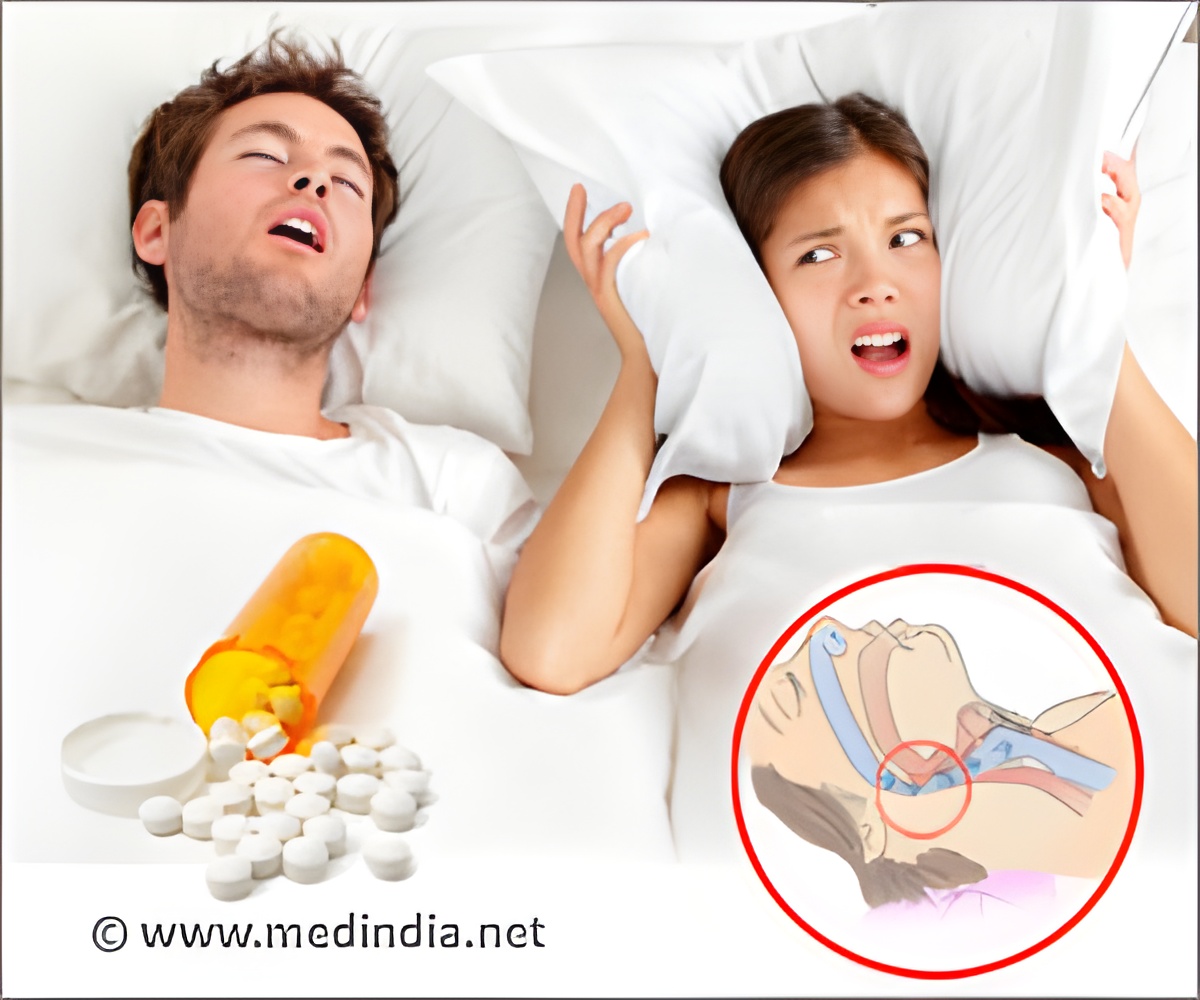
Sleep apnea affects more than 18 million American adults, that is linked to cardiovascular disease, diabetes, depression and memory loss.
Sleep apnea affects more than 18 million American adults, that is linked to cardiovascular disease, diabetes, depression and memory loss.
TOP INSIGHT

Hospitalized patients at high risk for obstructive sleep apnea have more rapid response system events and intervention is associated with reduced events.
Rapid response events or emergencies in the hospital included significant changes in blood pressure, heart rate, respiratory rate, or mental status; seizure; symptoms of a stroke; or chest pain. The rapid response protocol is a safety tool designed to detect and intervene during serious and potentially fatal changes in a patient's status.
"The study suggests the important role of treating underlying sleep apnea to improve patient safety and quality in the hospital. We recommend a multi-centric prospective study to confirm these findings and determine the cost benefit of such initiative to improve hospital patient safety," Dr. Sharma said.

Commercial Drivers with Untreated Sleep Apnea at Higher Risk for Preventable Crashes
The rate of serious, preventable crashes was 5 times higher among truck drivers with sleep apnea who failed to adhere to positive airway pressure (PAP) therapy.
The rate of serious, preventable crashes was 5 times higher among truck drivers with sleep apnea who failed to adhere to positive airway pressure (PAP) therapy.
Source-Newswise
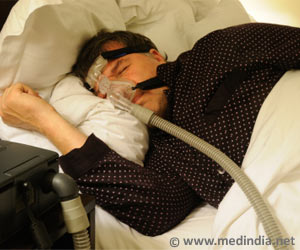
Sleep Apnea Therapy Improves Blood Glucose Levels in Diabetics
Using Continuous positive airway pressure, a therapy for sleep apnea, improved insulin sensitivity and reduced risk of heart disease in diabetics.
Using Continuous positive airway pressure, a therapy for sleep apnea, improved insulin sensitivity and reduced risk of heart disease in diabetics.

Post Traumatic Stress Disorder (PTSD) and Obstructive Sleep Apnea (OSA) Patients May Have Reduced Quality of Life
Patients suffering from post traumatic stress disorder (PTSD) and obstructive sleep apnea (OSA) experience a lower quality of life, revealed a new research.
Patients suffering from post traumatic stress disorder (PTSD) and obstructive sleep apnea (OSA) experience a lower quality of life, revealed a new research.
 Email
Email