MEDINDIA
 English
 हिन्दी
 Español
 français
 中文
中文
Online and in-person care was equally effective at improving psoriasis symptoms, revealed new study.
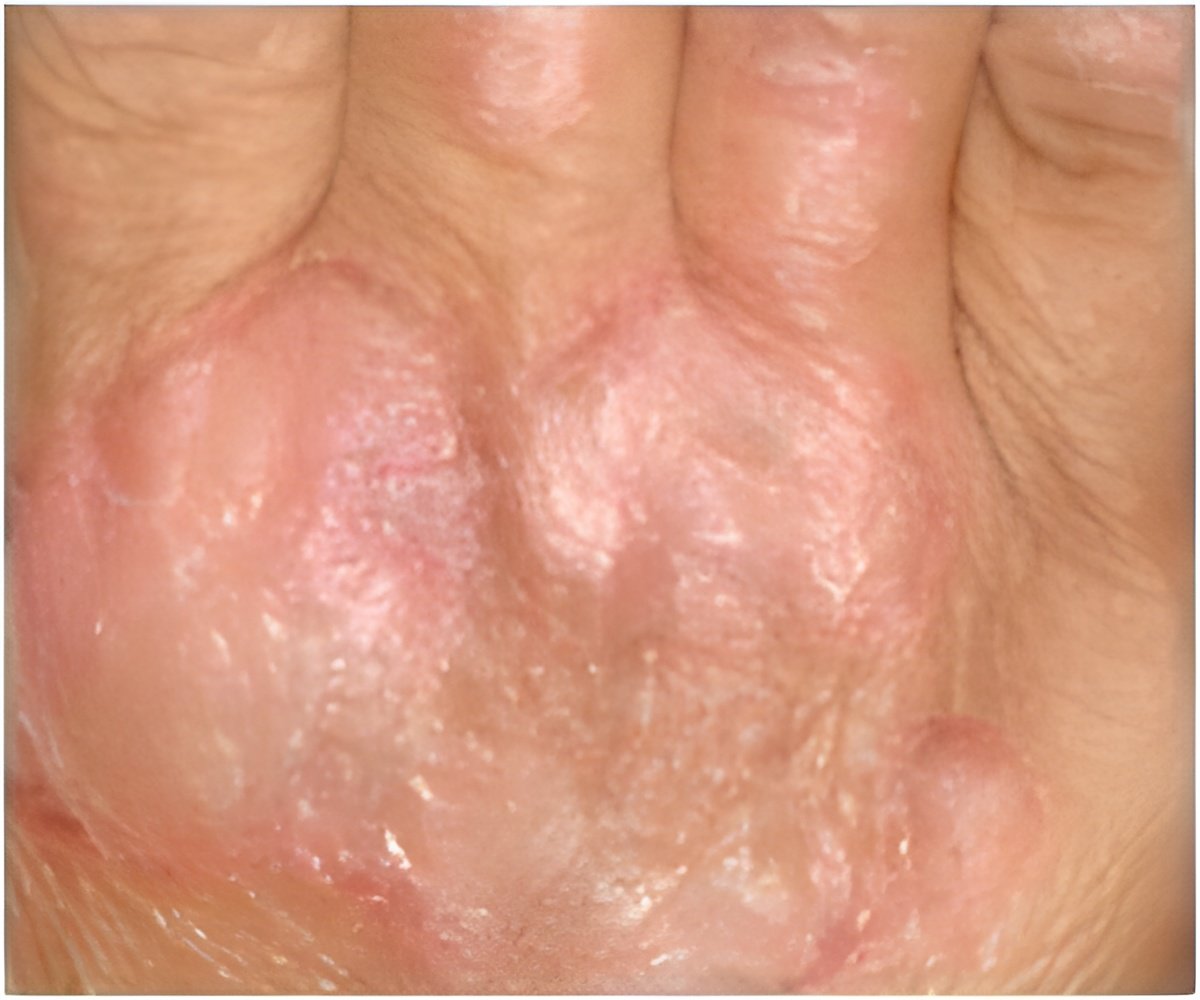

Diet for Psoriasis
Learn what causes psoriasis, the appropriate diet to follow and the importance of diet in the treatment of this medical condition.
Learn what causes psoriasis, the appropriate diet to follow and the importance of diet in the treatment of this medical condition.
TOP INSIGHT

New study raises the possibility that one day, people with psoriasis may be able to simply go online to receive their care.
In the multicenter study, Armstrong and her colleagues followed nearly 300 patients who had been randomized to either online or in-person care and monitored their symptom improvement. Patients assigned to online care logged in to a secure, web-based connected health platform where they could communicate with their primary care provider or dermatologist, share images of their skin and receive treatment recommendations. After reviewing transmitted information, health care providers evaluated patients' progress, provided patient education and prescribed medications electronically. Patients assigned to in-person care received treatment as usual.
Psoriasis severity was measured at baseline and again at three, six, nine and 12 months. Across the follow-up visits, the two groups achieved similar improvement in psoriasis severity scores. "From a patient's perspective, there are several benefits to an online care delivery model: They don't need to travel to a facility with specialty care, they can receive high-quality specialty care at home and they can communicate with their doctor at a time that's convenient for them," Armstrong says. "From a provider's perspective, the benefits include flexibility in where and when they work."
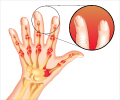
Nail Psoriasis - Causes, Symptoms, Diagnosis, Treatment & Prevention
Psoriasis is an autoimmune disease, which in rare cases can, also affect the nails, making them brittle, soft and painful.
Psoriasis is an autoimmune disease, which in rare cases can, also affect the nails, making them brittle, soft and painful.
"The use of teledermatology needs to be considered in other patient populations with chronic skin diseases such as atopic dermatitis. There is a critical need for children and adults with atopic dermatitis to receive high-quality specialist care for this condition through novel telehealth delivery methods," she says.

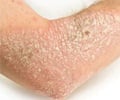
Quiz on Psoriasis
Psoriasis is a non-contagious, non-fatal disease but it can adversely affect one’s overall quality of life including trouble with daily activities and social interactions. Take this quiz to find out more about this skin disease.
Psoriasis is a non-contagious, non-fatal disease but it can adversely affect one’s overall quality of life including trouble with daily activities and social interactions. Take this quiz to find out more about this skin disease.
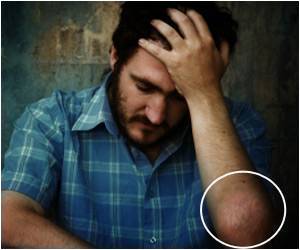
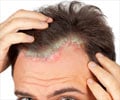
False Perceptions About Psoriasis Continue To Persist In The United States
Myths about psoriasis are widespread in the United States. Psoriasis is a common, chronic autoimmune disease affecting more than eight million Americans, causing painful, thick red patches on the skin that often itch and bleed.
Myths about psoriasis are widespread in the United States. Psoriasis is a common, chronic autoimmune disease affecting more than eight million Americans, causing painful, thick red patches on the skin that often itch and bleed.
 Email
Email