MEDINDIA
 English
 हिन्दी
 Español
 français
 中文
中文
Fecal microbiota transplantation can enhance or hinder immunotherapy depending on factors like donor, patient, and bacterial composition.
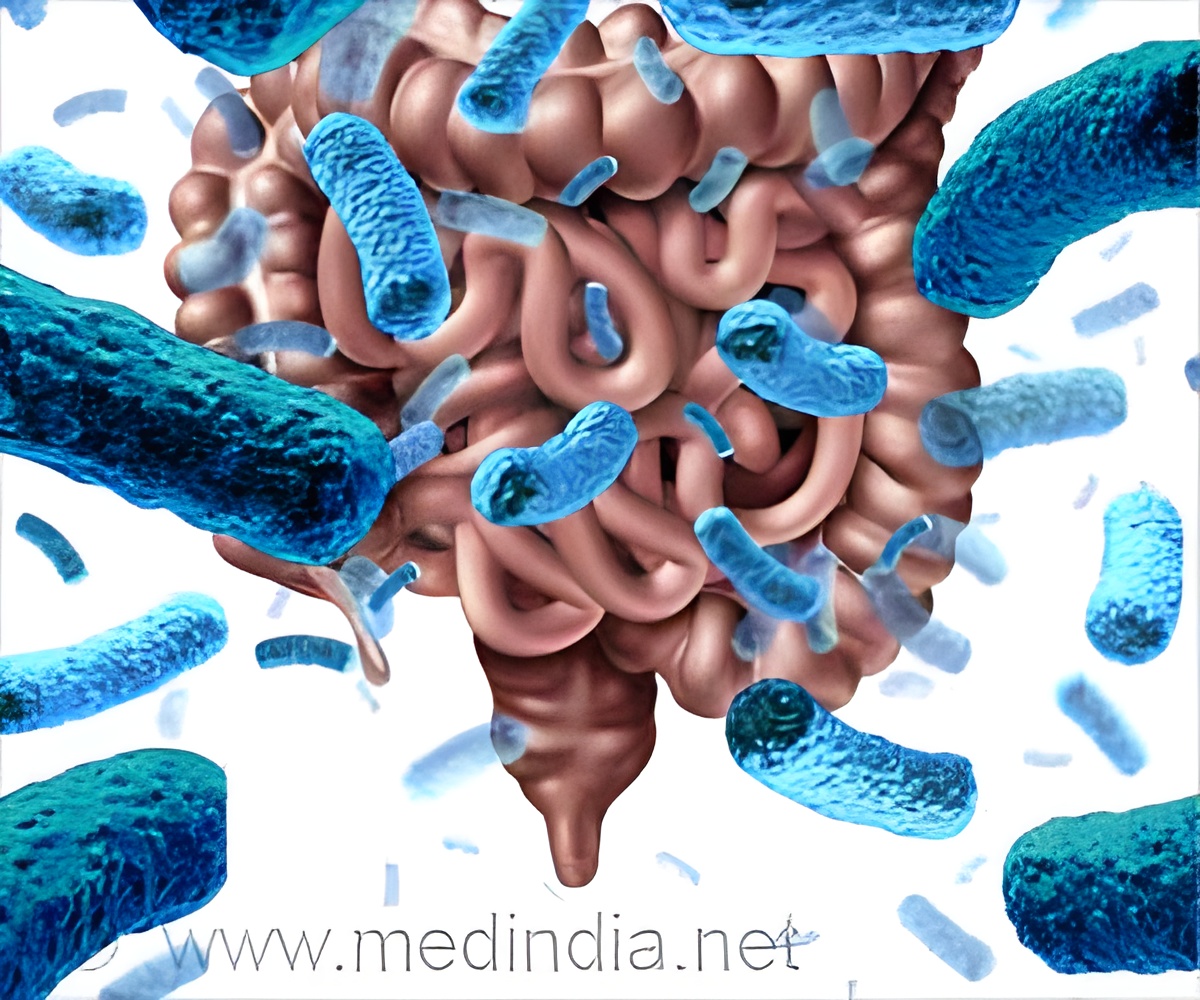
From chaos to order: optimizing fecal microbiota transplantation for enhanced immune checkpoint inhibitors efficacy
Go to source). A comprehensive review published in Gut Microbes highlights the controversial and inconsistent outcomes of transferring healthy gut bacteria into cancer patients undergoing these treatments.
Is Microbiota Transplant Therapy Safe for Stem Cell Transplant and Leukemia Patients?
Stem cell transplantation and leukemia patients who received active microbiota transplant therapy experienced a lower incidence of infections.
Stem cell transplantation and leukemia patients who received active microbiota transplant therapy experienced a lower incidence of infections.
TOP INSIGHT

Did You Know?
Some cancer patients who failed immunotherapy, 40% responded again after receiving gut bacteria from healthy donors—but in others, the same treatment made things worse. #medindia #gutmicrobiome #cancerimmunotherapy
Variable Effects on Immune Checkpoint Inhibitors
"FMT's impact on immune checkpoint inhibitor efficacy varies dramatically across studies," explains lead researcher Dr. Peng Luo from Southern Medical University. "Some clinical trials show remarkable improvements in patient outcomes, while others demonstrate no benefit or even potential harm."
Gut Microbiome Diversity Boosts Survival in Pediatric Stem Cell Transplants
Pioneering research reveals correlation between intestinal tract microbiota diversity and survival in kids who have received a donor stem cell transplant.
Pioneering research reveals correlation between intestinal tract microbiota diversity and survival in kids who have received a donor stem cell transplant.
Outcomes Across Cancer Types
The research team analyzed multiple clinical trials involving melanoma, colorectal cancer, and other solid tumors. In some melanoma studies, 40% of patients who previously failed immunotherapy showed renewed responses after FMT. However, other trials found that certain bacterial formulations actually reduced treatment effectiveness compared to placebo.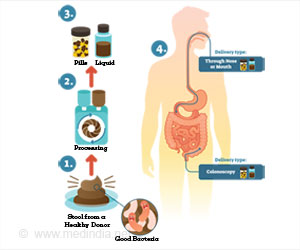
Fecal Microbiota Transplant Helps Treat Cancer Resistant to Immunotherapy
Fecal microbiota transplant can help overcome resistance to anti-PD-1 drugs by altering the gut microbiota. Combination of FMT and re-induction of anti-PD-1 is safe, effective, and feasible.
Fecal microbiota transplant can help overcome resistance to anti-PD-1 drugs by altering the gut microbiota. Combination of FMT and re-induction of anti-PD-1 is safe, effective, and feasible.
Role of Gut Microbiome as an Ecosystem
"The gut microbiome acts like a complex ecosystem that can either support or hinder the immune system's ability to fight cancer," notes Dr. Luo. "We discovered that the success of FMT depends on multiple factors including donor selection, recipient characteristics, and the specific bacterial communities being transferred."The review identifies key mechanisms by which gut bacteria influence cancer treatment. Beneficial bacteria can enhance immune cell function and alter the tumor microenvironment, while harmful bacteria may promote immunosuppressive cells that protect tumors from attack.

Unhealthy Gut Microbiome Linked to Increased Mortality Risk Post-Organ Transplant
Research finds that gut dysbiosis in organ transplant recipients is linked to higher mortality, especially from cancer and infections.
Research finds that gut dysbiosis in organ transplant recipients is linked to higher mortality, especially from cancer and infections.
Personalized Response to Bacterial Species
"What surprised us most was how the same bacterial species could have opposite effects in different patients," Dr. Luo explains. "This highlights the need for personalized approaches rather than one-size-fits-all treatments."The researchers emphasize that large-scale clinical trials are urgently needed to clarify FMT's role in cancer therapy. They also call for standardized protocols and better methods to predict which patients will benefit from microbiome interventions.
Reference:
- From chaos to order: optimizing fecal microbiota transplantation for enhanced immune checkpoint inhibitors efficacy - (https://www.tandfonline.com/doi/full/10.1080/19490976.2025.2452277)
Source-Eurekalert
 Email
Email