MEDINDIA
 English
 हिन्दी
 Español
 français
 中文
中文
Prolonged sitting impairs skin blood vessel function, and alternating temperature exposure does not prevent it.
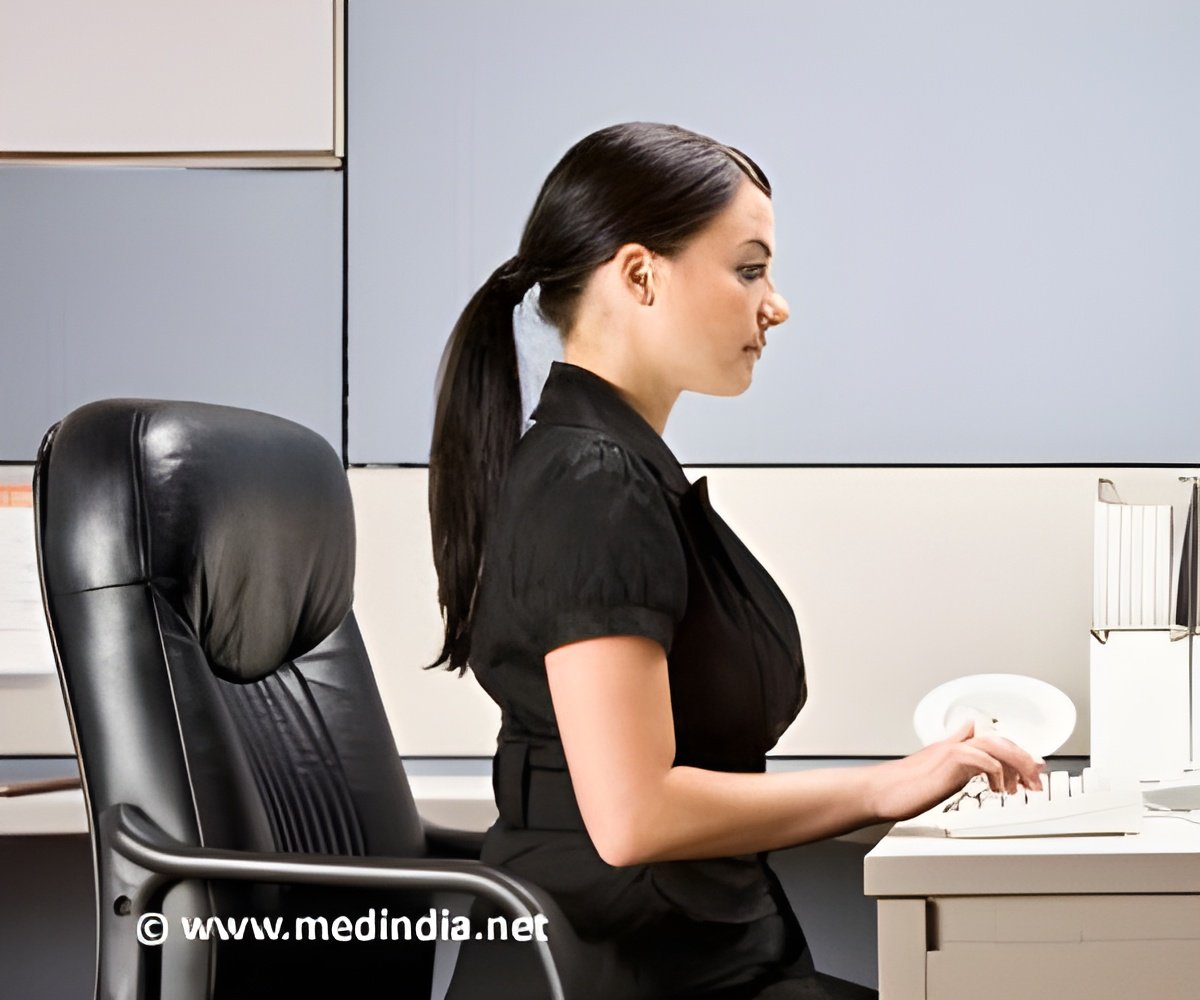
Sustained sitting attenuates cutaneous reactive hyperemia while improving venoarteriolar reflex, and alternating ambient exposure to cool and heat does not modulate these responses
Go to source).

Prolonged Sitting Could Be Shrinking Your Brain, Even If You Exercise
Extended sitting leads to brain shrinkage and memory decline, even if physical activity is maintained, particularly in individuals carrying the APOE-ε4 gene.
Extended sitting leads to brain shrinkage and memory decline, even if physical activity is maintained, particularly in individuals carrying the APOE-ε4 gene.
TOP INSIGHT

Did You Know?
Sitting for over 7 hours a day can impair how your skin’s blood vessels expand, and even switching between hot and cold air doesn’t stop the damage. #medindia #sedentarylifestyle #skinbloodflow
Prolonged Sitting and Skin Temperature Effects
In Japan, people spend approximately 7h sitting per day, which is the longest sitting time in the world. This sedentary behavior (i.e., repeated bouts of prolonged sitting) increases the risk of cardiovascular disease. Recently, a research group has reported that prolonged sitting under constant skin temperature conditions can impair cutaneous vasodilation function, and repeated local heating and cooling can mitigate this impairment.
Sedentary Lifestyle Could Harm Your Health
Sedentary lifestyle is one that has very little or no physical activity at all, whether at work or at home.
Sedentary lifestyle is one that has very little or no physical activity at all, whether at work or at home.
Simulated Environmental Conditions and Participant Setup
In this study, researchers investigated the effects of prolonged sitting on forearm cutaneous vascular function under two conditions simulating real-life environments: Constant room temperature and alternating cooling and heating ambient temperatures. A total of 12 young adults (six women) were included in this study.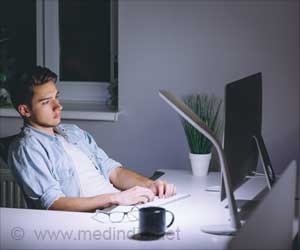
Glued to Your Chair? Sitting Too Long can Affect Your Overall Health
Is prolonged sitting bad for your overall health and well-being? Yes, sitting for too many hours can affect your heart health and speed up aging.
Is prolonged sitting bad for your overall health and well-being? Yes, sitting for too many hours can affect your heart health and speed up aging.
Vascular Function Outcomes and Temperature Exposure
The results showed that prolonged sitting decreased cutaneous vasodilation function but enhanced vasoconstrictor responsiveness. Alternating exposure to cooling and heating did not significantly suppress these changes in cutaneous vascular function.These findings indicate that temperature stimulation of the surrounding environment cannot prevent the vascular dysfunction caused by prolonged sitting. Therefore, developing more effective interventions, including those that elicit greater local skin temperature fluctuations, is crucial.
Reference:
- Sustained sitting attenuates cutaneous reactive hyperemia while improving venoarteriolar reflex, and alternating ambient exposure to cool and heat does not modulate these responses - (https://link.springer.com/article/10.1007/s00421-025-05870-7)
Source-Eurekalert
Forget Sitting at Work: Squatting, Kneeling can Benefit Your Health
Being a couch potato is always bad for health. So, take short breaks and reset your body with good resting postures such as squatting and kneeling to ward off heart and metabolic diseases.
Being a couch potato is always bad for health. So, take short breaks and reset your body with good resting postures such as squatting and kneeling to ward off heart and metabolic diseases.
 Email
Email