MEDINDIA
 English
 हिन्दी
 Español
 français
 中文
中文
Among patients with moderate to severe depressive symptoms (35% of the total), approximately 70% also exhibited elevated inflammation levels.
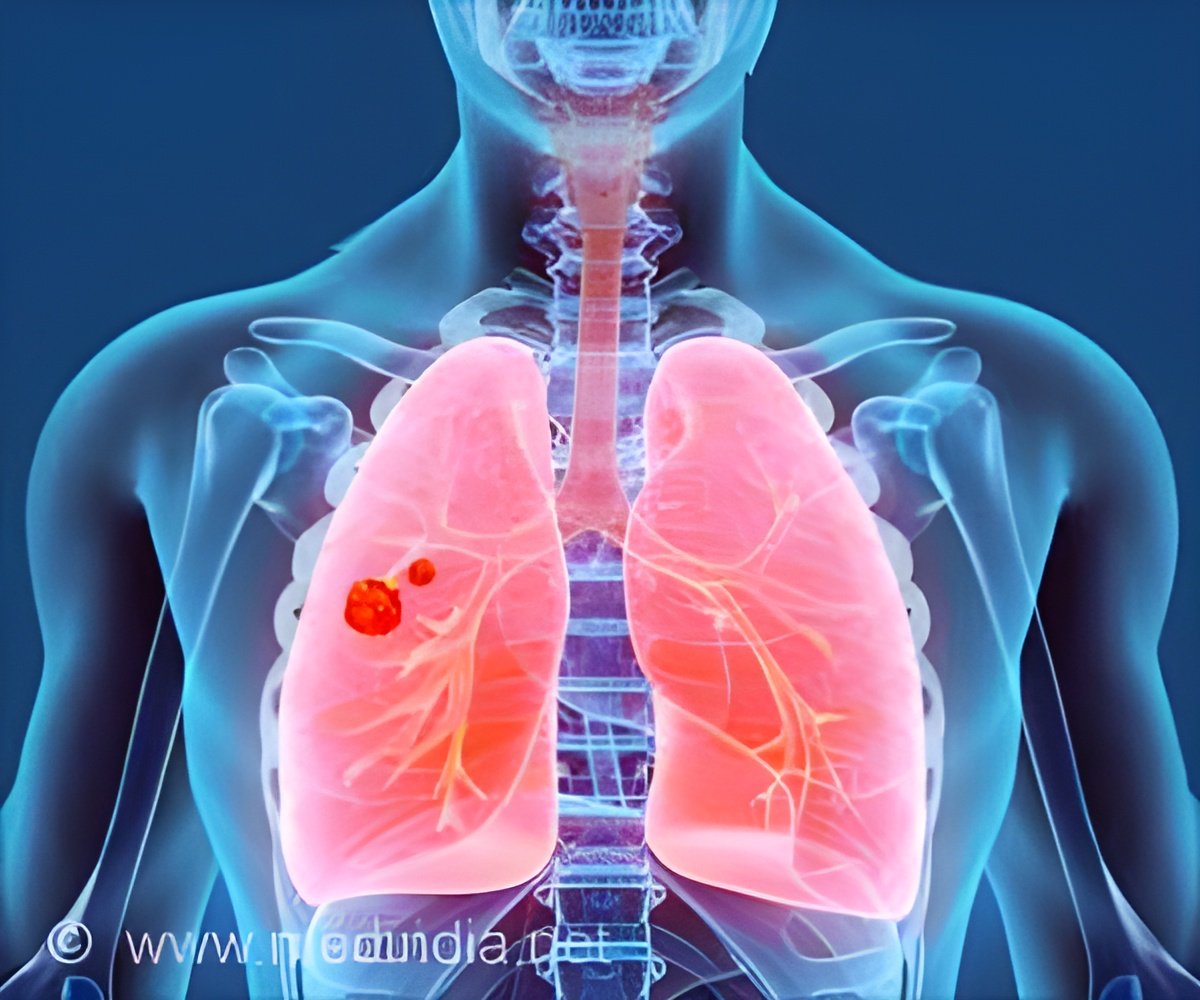
Depression and Inflammation in Patients With Lung Cancer: A Comparative Analysis of Acute Phase Reactant Inflammatory Markers
Go to source).
Study Finds Link Between Depression, Inflammation in Lung Cancer Patients
The study revealed that patients with both depression and inflammation at diagnosis were more likely to experience persistent depression over the next eight months. In contrast, those with only depression, only inflammation, or neither condition showed stable depression levels over time.
Test Your Knowledge on Inflammation
We are uncomfortable when there is a skin injury or an insect bite and we notice the area becomes swollen, red, itchy and painful. These changes are part of the inflammatory response occurring to protect the body against or limit damage due to the ...
We are uncomfortable when there is a skin injury or an insect bite and we notice the area becomes swollen, red, itchy and painful. These changes are part of the inflammatory response occurring to protect the body against or limit damage due to the ...
TOP INSIGHT

A tough truth: 16% to 29% of #lungcancer patients experience clinically significant #depression. This highlights a critical need for integrated #mentalhealth support alongside medical treatment. Let's talk about better holistic care.
The results are important because high depression levels have been linked to poorer outcomes in lung cancer patients, suggesting that patients with high inflammation and depression may be at particular risk, Andersen said.
The study was published online recently in the journal Biopsychosocial Science and Medicine. Andersen and colleagues at Ohio State’s College of Medicine and The Ohio State University Comprehensive Cancer Center – Arthur G. James Cancer Hospital and Richard J. Solove Research Institute studied 182 patients who were newly diagnosed with advanced lung cancer (Stage IV). The patients were followed with monthly depression assessments for eight months.
Lung Cancer - Types, Causes, Symptoms, Diagnosis, Treatment and Prevention
Lung cancer is a malignant tumor in the lung tissues. Smoking is the main cause of lung cancer with symptoms like recurrent respiratory diseases.
Lung cancer is a malignant tumor in the lung tissues. Smoking is the main cause of lung cancer with symptoms like recurrent respiratory diseases.
Participants completed a depression measure. In addition, levels of neutrophils and lymphocytes from patients’ blood samples were used to calculate a measure of systemic inflammation, called the Advanced Lung Cancer Inflammation Index (ALI). A previous study by Andersen showed ALI from these patients predicted their survival. That study also found that overall, 35% of the patients had moderate to severe depressive symptoms. That study was the first to show that, among these patients with higher levels of depression, upwards of 70% also had high inflammation.
Trigger for Lung Cancer Relapse Identified
American and Australian researchers have discovered what makes the cancer return in people who have initially responded well to chemotherapy.
American and Australian researchers have discovered what makes the cancer return in people who have initially responded well to chemotherapy.
Scientists don’t know for sure how inflammation and depression interact to increase depression, she said. One hypothesis is that inflammation in the body, as seen in this study, can be transmitted to the brain, where it settles into the microglia. During inflammation, the microglia can release harmful substances associated with the development of depression.
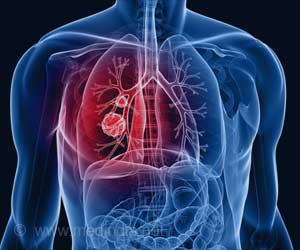
Road Map of Lung Development Delivered
The most comprehensive road map of the protein composition of human lungs has been compiled by researchers. The road map provides a clearer picture of the healthy development of this essential organ that made terrestrial life possible.
The most comprehensive road map of the protein composition of human lungs has been compiled by researchers. The road map provides a clearer picture of the healthy development of this essential organ that made terrestrial life possible.
“Our findings suggest the need to screen for depression and determine inflammation biomarkers at diagnosis of lung cancer,” she said. “This can help identify vulnerable patients who need psychological therapies to reduce depressive symptoms with a possibility of impacting inflammation as some studies have found.”
Reference:
- Depression and Inflammation in Patients With Lung Cancer: A Comparative Analysis of Acute Phase Reactant Inflammatory Markers - (https://pmc.ncbi.nlm.nih.gov/articles/PMC7529727/)
Source-Eurekalert
 Email
Email