MEDINDIA
 English
 हिन्दी
 Español
 français
 中文
中文
Study reveals how the brain balances hunger, thirst, and emotion—key to disorders like obesity, anorexia, or alcohol addiction.
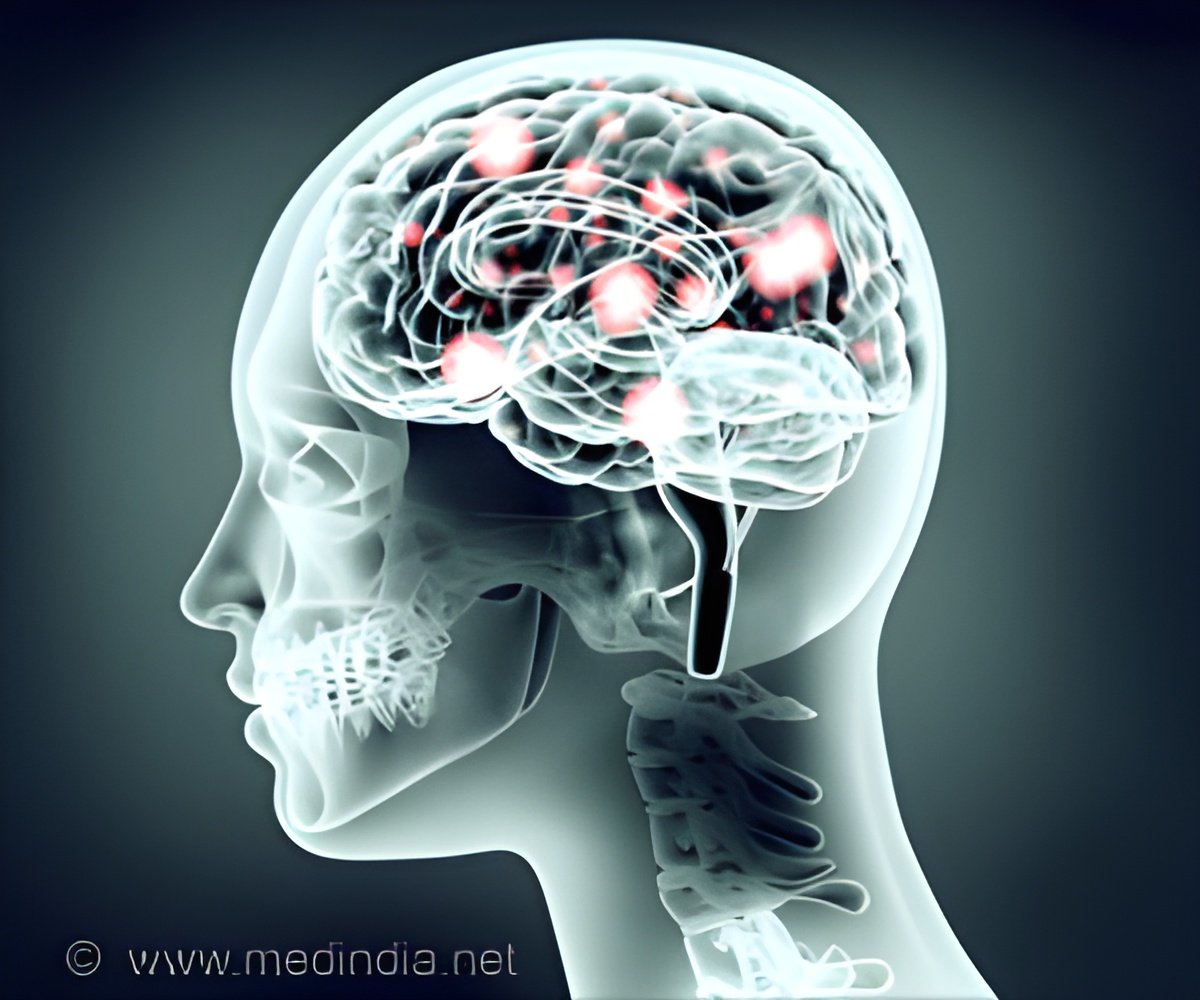
Food and water intake are regulated by distinct central amygdala circuits revealed using intersectional genetics
Go to source). These specialized "thirst" and "hunger" neurons function through separate neural circuits, directly influencing our urge to eat or drink. Conducted in mice, the research provides fresh insights into how the amygdala helps regulate nutritional behavior and could have implications for understanding eating disorders and addiction.

Hunger Fullness and Weight Control
An erratic way of eating or any metabolic disturbance in the hunger fullness signals is one of the major causes of obesity.
An erratic way of eating or any metabolic disturbance in the hunger fullness signals is one of the major causes of obesity.
TOP INSIGHT

New research pinpoints separate neuron groups in the amygdala dedicated to #thirst vs. #hunger! This intricate molecular mapping is unlocking secrets of our basic drives. #neuroscience
New Insights into the Amygdala's Control of Eating and Drinking
The amygdala, a brain region often linked to emotions and decision making, also plays a key role in shaping our desire to eat and drink. Earlier research led by Rüdiger Klein’s group at the Max Planck Institute for Biological Intelligence revealed that neurons in the central nucleus of the amygdala connect food to feelings – pairing tasty meals with positive emotions, associating bad food with aversion, and suppressing appetite when nausea sets in. The team also demonstrated that changing the activity of these neurons can alter behavior, prompting mice to eat even when they are full or feeling unwell.“One of these groups of neurons is solely dedicated to regulating the desire to drink, the first ‘thirst neuron’ that has been identified in the amygdala,” explains Federica Fermani, who led the study. “When we activated these neurons, the mice drank more, and when we suppressed their activity, the mice drank less. We also identified another group of neurons in the same region of the amygdala that drives thirst but also plays a role in regulating hunger. These findings highlight how some neurons show remarkable specialization for specific behaviors, while others have more general roles in guiding food and drink choices.”
To explore how neurons in the central nucleus of the amygdala regulate drinking and eating, the researchers used advanced genetic tools to study brain activity in mice during hunger, thirst, and when they were already full and hydrated. One method, called optogenetics, allowed the team to activate specific neurons using light-sensitive proteins and a laser precisely tuned to trigger those cells. They also used approaches to silence the neurons, observing how their absence influenced the mice’s tendency to eat or drink. By combining this with new methods that enable the monitoring of individual neurons across multiple brain regions, the researchers mapped where these neurons receive information and identified other brain regions they communicate with.
Anorexia Nervosa
Anorexia nervosa is an eating disorder most commonly found among teenage girls. Anorexia nervosa is characterized by a very low body weight, generally defined as 15% below the Body Mass Index.
Anorexia nervosa is an eating disorder most commonly found among teenage girls. Anorexia nervosa is characterized by a very low body weight, generally defined as 15% below the Body Mass Index.
“Basic drives like thirst and hunger ensure we eat and drink at the right times, giving our bodies the hydration and nutrition needed to survive,” explains Rüdiger Klein, Director at the Max Planck Institute for Biological Intelligence. “But these same neural circuits can also contribute to overeating or undereating, depending on the signals they encounter in the brain. By uncovering these processes, we gain a better understanding of how the brain emotionally evaluates food and drink, learns to associate them with pleasure or aversion, and how neural development shapes both innate and learned behaviors.”

Alcohol Self Screening Test
Take this anonymous self-test to evaluate your alcohol consumption and determine if your drinking pattern poses a risk for hazardous health conditions.
Take this anonymous self-test to evaluate your alcohol consumption and determine if your drinking pattern poses a risk for hazardous health conditions.
- Food and water intake are regulated by distinct central amygdala circuits revealed using intersectional genetics - (https://www.nature.com/articles/s41467-025-58144-3)
Source-Eurekalert

Eating Disorders
Eating disorders involve extreme attitudes and behaviors towards food and weight. It has the highest suicidal mortality rate than other mental illnesses.
Eating disorders involve extreme attitudes and behaviors towards food and weight. It has the highest suicidal mortality rate than other mental illnesses.
 Email
Email