MEDINDIA
 English
 हिन्दी
 Español
 français
 中文
中文
Alveolar macrophages effectively produce interferons when infected with known viruses, such as influenza and SARS-CoV-2 virus - the virus that produces COVID-19.
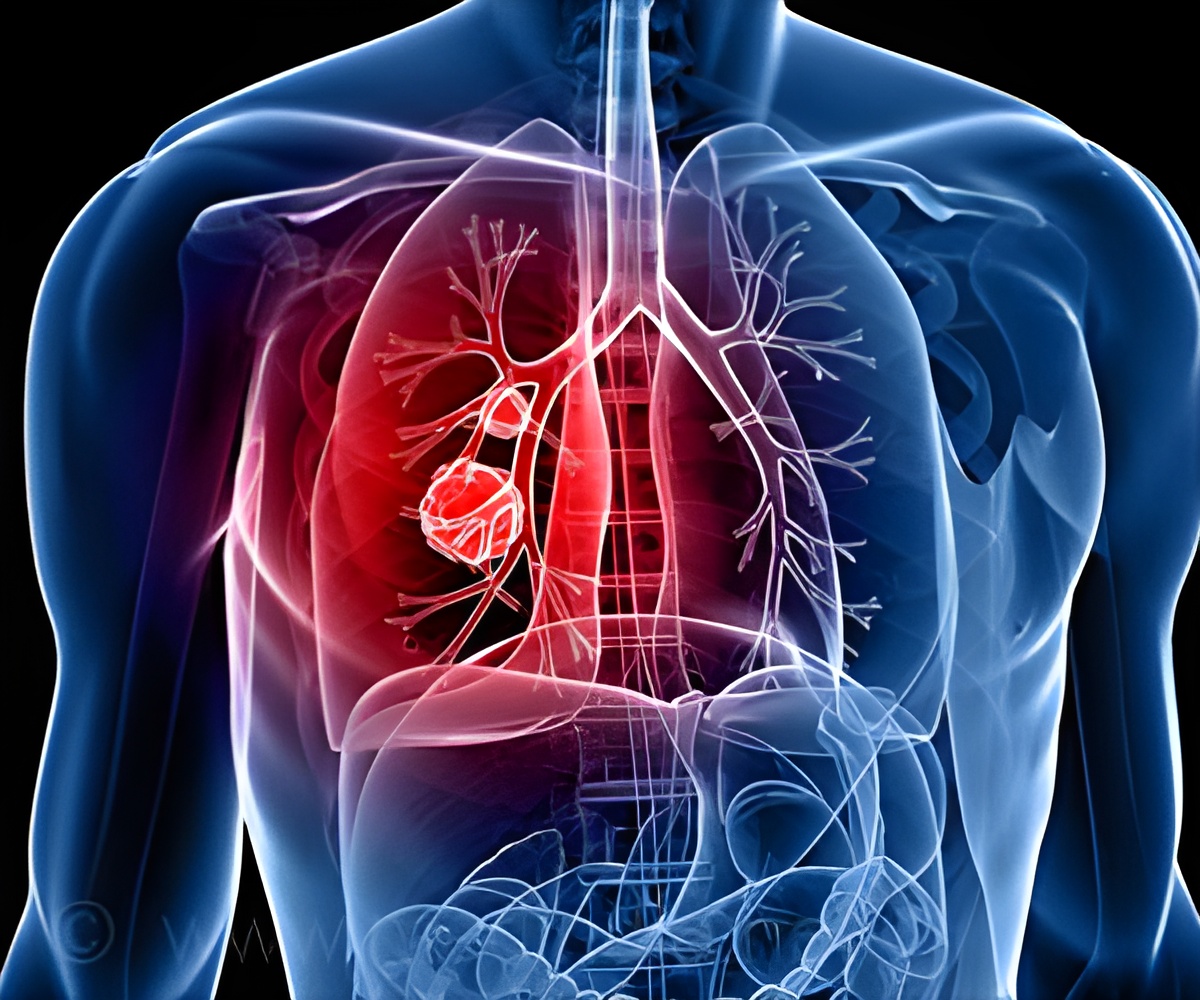

Coronavirus
Coronaviruses infect animals, humans, and birds. Human coronaviruses, such as SARS, MERS, and 2019-nCoV cause respiratory distress and even death. The S protein is the infectious agent of the virus.
Coronaviruses infect animals, humans, and birds. Human coronaviruses, such as SARS, MERS, and 2019-nCoV cause respiratory distress and even death. The S protein is the infectious agent of the virus.
TOP INSIGHT

SARS-CoV-2 virus the virus that results in COVID-19 may hide its genomic material from being recognized in the alveolar macrophages, thereby not inducing the production of interferons.
SARS-CoV-2 is a respiratory virus that typically infects the outermost cell layer of the lungs, the epithelial layer. New research has shown that interferon production in the infected epithelial cells can be inhibited by the SARS-CoV-2 virus.
This results in low interferon production and therefore also a limited activation of the immune system to fight against the virus. Although the epithelial layer is the target of the virus, it must be assumed that the first cell type the virus encounters is the alveolar macrophages, and therefore these cells are important for how quickly an immune response to a SARS-CoV-2 infection can be initiated.
Quiz Yourself on Swine flu
Swine flu is the infection of the influenza virus, H1N1, which infects the respiratory tract of pigs. The virus then mutates to become easily transmitted to humans. Symptoms of swine flu are similar to other influenza infections such as high fever, nasal secretions, cough and headache. Swine flu spreads by air upon sneezing or coughing of the infected person. Vaccination is the best way to prevent swine flu.
Swine flu is the infection of the influenza virus, H1N1, which infects the respiratory tract of pigs. The virus then mutates to become easily transmitted to humans. Symptoms of swine flu are similar to other influenza infections such as high fever, nasal secretions, cough and headache. Swine flu spreads by air upon sneezing or coughing of the infected person. Vaccination is the best way to prevent swine flu.
The SARS-CoV-2 virus can hide its genome from being recognized
Twindemic: Influenza and COVID-19 Infection
Health experts are worried about twindemic, as it is highly possible that people may contract both influenza and the coronavirus infection.
Health experts are worried about twindemic, as it is highly possible that people may contract both influenza and the coronavirus infection.
This is why there will be no activation of the immune system in the early stages of a SARS-CoV-2 infection, allowing the virus to spread further in the community before symptoms occur. However, more research is needed to understand how SARS-CoV-2 can avoid being recognized by the immune system.

Coronaviruses are Masters of Mimicry: Study
Coronaviruses, including COVID-19 pathogen SARS-CoV-2, are adept at imitating human immune proteins that have been implicated in severe COVID-19 disease, reports a new study.
Coronaviruses, including COVID-19 pathogen SARS-CoV-2, are adept at imitating human immune proteins that have been implicated in severe COVID-19 disease, reports a new study.
 Email
Email