MEDINDIA
 English
 हिन्दी
 Español
 français
 中文
中文
Cholesterol-lowering statin drugs cause fatigue upon exertion, say researchers.
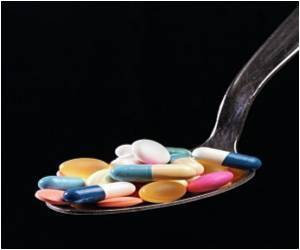
Statins - The New Wonder Drug
Statins are new wonder drugs that are proving to be efficacious, not merely in relieving symptoms but also offering several health benefits.
Statins are new wonder drugs that are proving to be efficacious, not merely in relieving symptoms but also offering several health benefits.
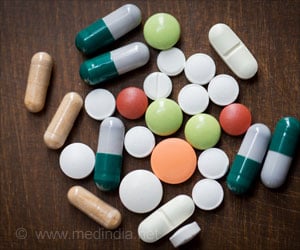
More than 1,000 adults from San Diego were randomly allocated to identical capsules with placebo, or one of two statins at relatively low potencies: pravastatin (Pravachol) at 40mg, or simvastatin (Zocor) at 20mg - chosen as the most water-soluble and most fat-soluble of the statins, at doses expected to produce similar LDL ("bad cholesterol") reduction. According to the researchers, the cholesterol reduction would be similar to that expected with atorvastatin (Lipitor) at 10mg, or rosuvastatin (Crestor) at 2.5-5mg.
Persons with heart disease and diabetes were excluded. Neither subjects nor investigators knew which agent the subject had received. Subjects rated their energy and fatigue with exertion relative to baseline, on a five-point scale, from "much worse" to "much better."

Chronic Fatigue Syndrome
Information about Chronic fatigue syndrome, or yuppie flu, which is a complex disorder, characterized by extreme fatigue, that seems to affect Americans more than AIDS, multiple sclerosis /lung cancer
Information about Chronic fatigue syndrome, or yuppie flu, which is a complex disorder, characterized by extreme fatigue, that seems to affect Americans more than AIDS, multiple sclerosis /lung cancer
"Side effects of statins generally rise with increasing dose, and these doses were modest by current standards," said Golomb. "Yet occurrence of this problem was not rare - even at these doses, and particularly in women."
Proteins Help In Turning Carbs into Energy to Causing Devastating Disease: Research
A surprising discovery with implications for the treatment of a perplexing and potentially fatal neuromuscular disorder and possibly even cancer and heart disease.
A surprising discovery with implications for the treatment of a perplexing and potentially fatal neuromuscular disorder and possibly even cancer and heart disease.
"Energy is central to quality of life. It also predicts interest in activity," said Golomb. "Exertional fatigue not only predicts actual participation in exercise, but both lower energy and greater exertional fatigue may signal triggering of mechanisms by which statins may adversely affect cell health."
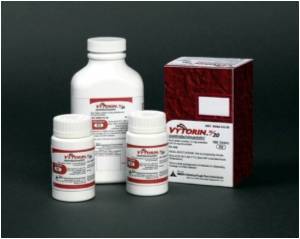
Statins Cut Cancer Risk in Heart Transplant Recipients
Statins prevent cancer and reduce death from all causes in heart transplant recipients independent of patients' cholesterol levels.
Statins prevent cancer and reduce death from all causes in heart transplant recipients independent of patients' cholesterol levels.
Additional contributors to the paper include Marcella A. Evans, Department of Anatomy and Neurobiology, UC Irvine; Joel E. Dimsdale, MD, UC San Diego Department of Psychiatry; and Halbert L. White, UC San Diego Department of Economics.
This study was funded by the NHLBI, NIH # RO1 HL63055; and supported by the UCSD General Clinical Research Center, NIH # MO1 RR00827.
Source-Newswise
 Email
Email