MEDINDIA
 English
 हिन्दी
 Español
 français
 中文
中文
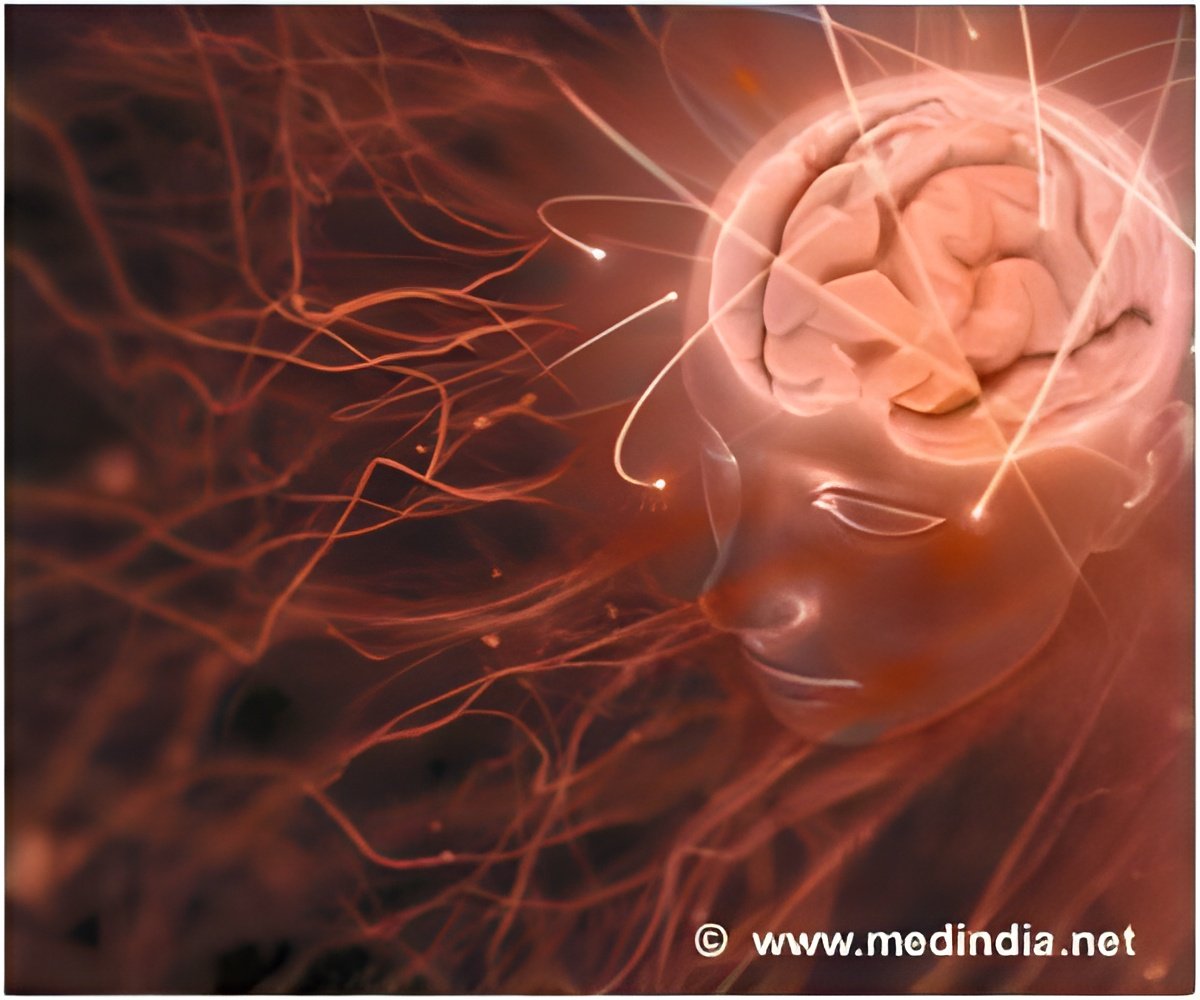
A new study reveals that a transcription factor, known as STAT3, could help prevent neurodegeneration if it remains in the axon of nerve cells.

Brain Exercises to Improve Memory
An active brain can certainly help in improving memory by strengthening the connections between neural impulses in brain.
An active brain can certainly help in improving memory by strengthening the connections between neural impulses in brain.
Once it has been activated, STAT3 typically travels to the nucleus of the neuron to switch on genes. But the researchers were surprised to find that most of the axonal STAT3 did not move to the nucleus and instead had a local effect in the axon. Specifically, the team found that activated STAT3 inhibited stathmin, a protein that normally destabilizes microtubules. When the team removed stathmin in motor neurons from the mutant mice, the axons grew at the same rate as axons from normal mice but didn't elongate any faster after doses of CNTF. These results indicate that CNTF mainly stimulates axon growth by thwarting stathmin and suggests that drugs to block stathmin could slow neuron breakdown in patients with neurodegenerative diseases.

Alzheimer’s disease - Causes, Symptoms, Diagnosis, Stages, Types, Prevention, Prognosis & Treatment
Alzheimer's disease is a progressive neurodegenerative disease affecting memory and thinking and making the person increasingly dependent on others.
Alzheimer's disease is a progressive neurodegenerative disease affecting memory and thinking and making the person increasingly dependent on others.
Vitamin B12 - An Essential Vitamin
If you feel that the persistent or regular incidences of depression have got nothing to do with what you eat, think again. The reason behind low spirits can be due to insufficient levels vitamin B12.
If you feel that the persistent or regular incidences of depression have got nothing to do with what you eat, think again. The reason behind low spirits can be due to insufficient levels vitamin B12.
 Email
Email